Feature
JIC's Top 5 Most Popular Stories of 2025
01/20/2026
© 2026 HMP Global. All Rights Reserved.
Any views and opinions expressed are those of the author(s) and/or participants and do not necessarily reflect the views, policy, or position of the Journal of Invasive Cardiology or HMP Global, their employees, and affiliates.
Which stories captured the most attention this year? The Journal of Invasive Cardiology looks back at the most-read articles of 2025—spanning left atrial appendage closure outcomes, emerging applications for renal denervation, practical strategies for radial access, and more!
- Catch the Branch: The New Miracle Neo 3 Guidewire for Complex Bifurcation Rewiring
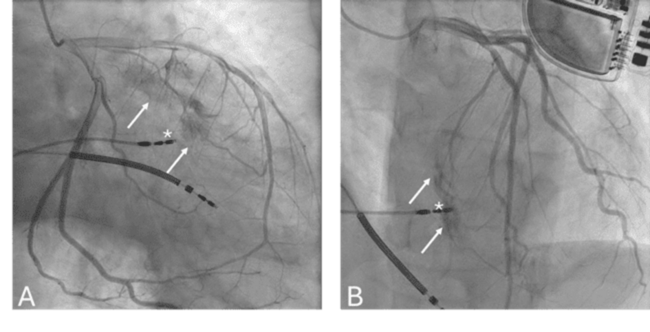
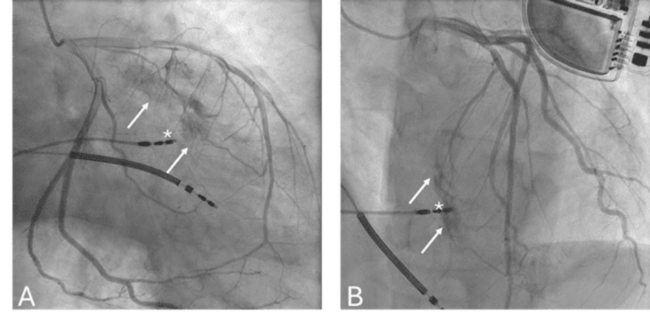
A 63-year-old man with a chronic total occlusion of the right coronary artery underwent successful retrograde recanalization. However, after stenting, plaque shift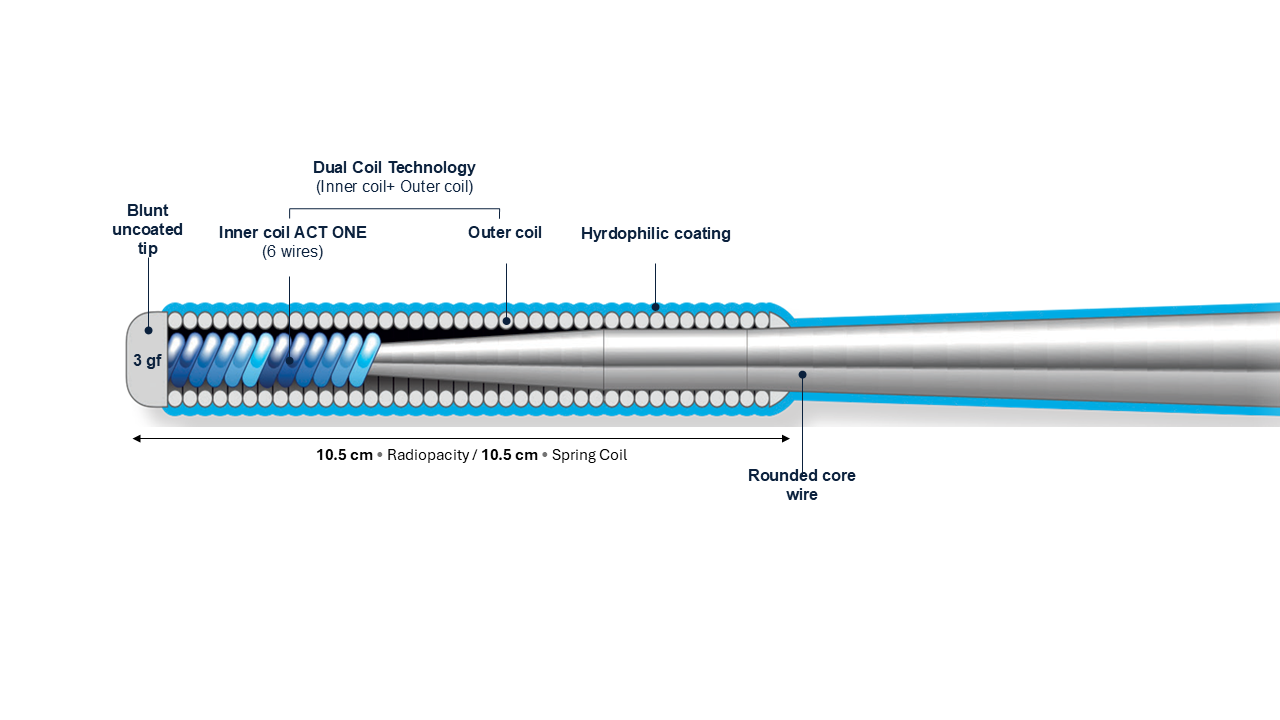 caused a subocclusion of the ostial posterolateral branch, making side branch (SB) access difficult. When standard workhorse guidewires failed to re-engage the compromised SB ostium, operators turned to the Miracle Neo 3 guidewire, which successfully rewired the SB and reached the distal true lumen.
- Procedural and Long-Term Thromboembolic Outcomes After Left Atrial Appendage Closure: Comparison of Patients With Reduced and Preserved Left Ventricular Ejection Fraction
Patients with atrial fibrillation and reduced left ventricular ejection fraction (LVEF) face especially high thromboembolic risk, raising concerns about whether left atrial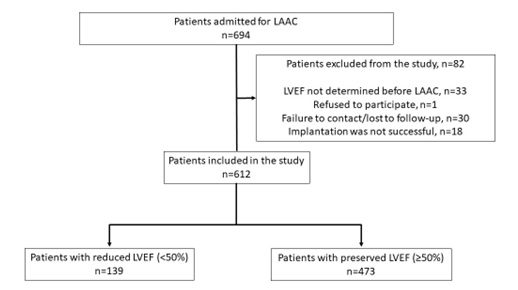 appendage closure (LAAC) can deliver durable protection in this population. While short-term data suggest LAAC is safe regardless of LVEF, long-term outcomes have remained unclear. This study takes a deeper look at whether impaired ventricular function truly impacts procedural safety and long-term stroke prevention after LAAC.
- Future Direction for RDN: From Hypertension to AFib and Beyond
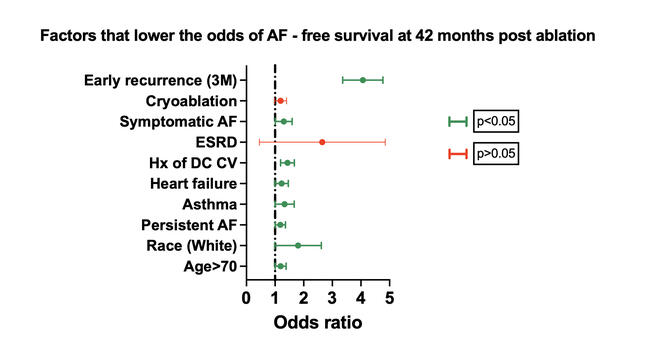
In this interview from CRT 2025, Eric Secemsky, MD, highlights renal denervation (RD) as a promising new way to target the sympathetic drivers of atrial fibrillation (AF), not just the arrhythmia itself. Early data suggest that adding RD to pulmonary vein isolation may reduce AF burden, and researchers continue to evaluate the efficacy of RD as a standalone procedure to treat patients with AF. With improving reimbursement and ongoing trials, this approach could soon change the AF treatment landscape.
- A Contemporary Algorithm to Guide Percutaneous Coronary Intervention in High-Risk Spontaneous Coronary Artery Dissection
Spontaneous coronary artery dissection (SCAD) is increasingly common, and while most cases are managed conservatively, some demand urgent intervention. This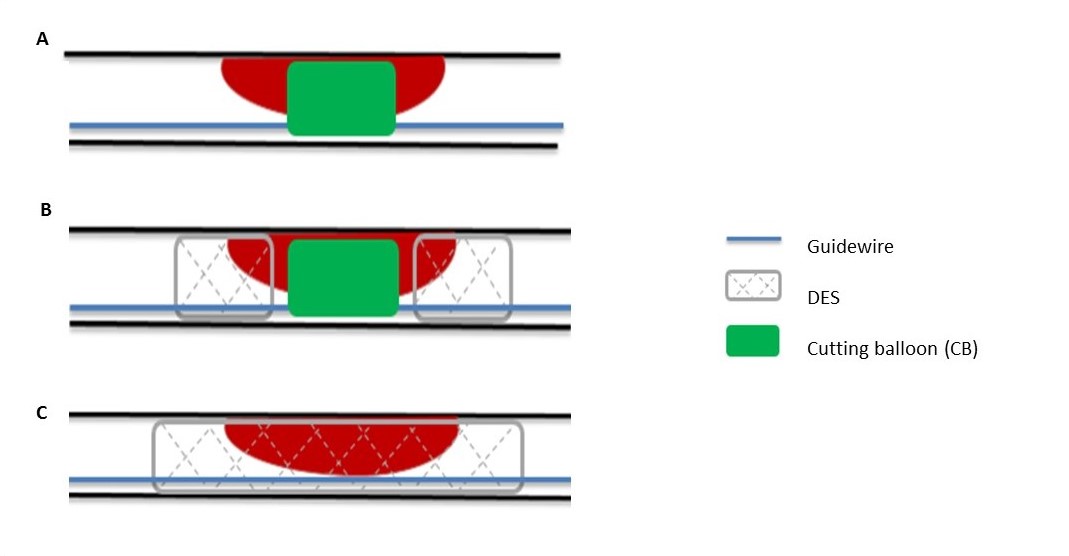 article breaks down a clear, step-by-step approach for high-risk SCAD, including practical tips on wiring, intravascular ultrasound use, and cutting-balloon strategies to safely restore flow. A must-read for cardiologists facing this challenging percutaneous coronary intervention scenario.
- FAST-CATH: A Modified Single Catheter Technique for Complete Coronary Angiography via Radial Access
Though radial access is routine for coronary angiography, single-catheter strategies to streamline these procedures remain underused because of their dependence on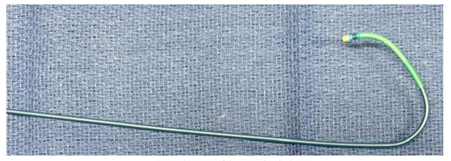 favorable anatomy, and often fail when transposed to the left radial approach. This research letter introduces FAST-CATH, a simple technique that uses one 5F JL 3.5 catheter and a stiff wire to image both coronaries without catheter exchange. It’s a clean, time-saving approach that can reduce trauma and spasm risk, as well as facilitate the transition to subsequent interventions.