Mammograms and Hidden Heart Disease: Annual Scans Can Detect This Silent Killer and Help Save Lives, but Awareness Is Key
Mount Sinai cardiologists emphasize the importance of routine breast exams and improved follow-up measures to prevent heart attack and stroke during American Heart Month in February
Mount Sinai cardiologists emphasize the importance of routine breast exams and improved follow-up measures to prevent heart attack and stroke during American Heart Month in February
New York, NY - Mammograms can help identify people who have heart disease — one example is a New York City woman whose life was saved when her annual breast exam showed she needed emergency quintuple bypass surgery. Her successful outcome is due to Mount Sinai’s unique approach to early detection that’s currently being researched. Mount Sinai recently launched a new study to help make sure patients act quickly upon potentially dangerous mammogram findings to prevent an adverse cardiac event.
During American Heart Month in February, Mount Sinai physicians are raising awareness about getting routine breast exams, the possible link between certain findings and cardiovascular disease, and their push to empower women to take proactive steps that can help save their lives.
Breast arterial calcification (BAC) is calcium buildup in the breast artery walls. It looks like white lines or railroad tracks on the mammogram. BAC correlates with coronary artery disease and are linked to high blood pressure, diabetes, inflammation, and heart attack or stroke and even death. However, most patients across the country are not routinely told about BAC after their mammogram.
Mount Sinai is trying to change this and get the word out to save lives. In the new “Mammography and Breast Arterial Calcification Trial at Mount Sinai,” doctors are sending letters to patients with high BAC levels, alerting them to the possible danger and urging them to see a cardiologist or other doctor for further evaluation to prevent a possible deadly cardiac event. Trial data is still being gathered; however, Mount Sinai researchers already have shown that one in eight women have BAC on their mammograms, and thorough notification has led to successful patient outcomes.
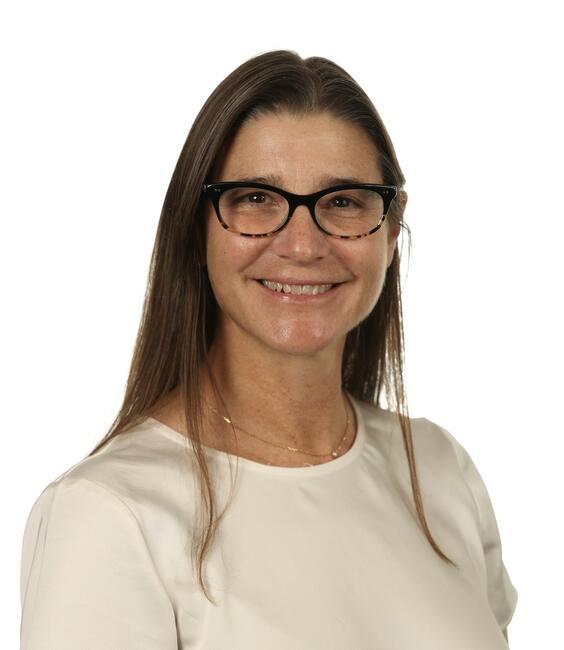
“Right now, women are not routinely told whether or not they have BAC; that is, it's not part of standard practice to communicate that information to patients,” says Laurie R. Margolies, MD, FACR, FSBI, Vice Chair of Breast Imaging at Mount Sinai Health System. “We want to change that. Mammography has long been a key tool for detecting breast cancer early. By also reporting breast arterial calcification, we have the potential to improve women’s heart health, which is the leading cause of death in women.” It might prove to be additive or even better than traditional risk evaluations such as cholesterol, blood pressure and family history.
“Our recent quintuple bypass surgery success case illustrates exactly why incorporating breast arterial calcification findings into mammogram reports can be lifesaving,” says Mary Ann McLaughlin, MD, a cardiologist at Mount Sinai Fuster Heart Hospital and researcher in this trial. “We were able to intervene early, giving her the chance to treat a life-threatening condition before it caused serious harm.”
Our hope is that these results will support the position that women should regularly be provided with BAC results in order to improve their future health, says Guy Montgomery PhD, Vice Chair of the Department of Population Health Science and Policy at Mount Sinai Health System. “Our hope is that our trial results will support the position that women should regularly be provided with BAC results in order to improve their future health.”
Mount Sinai Is a World Leader in Cardiology and Heart Surgery
Mount Sinai Fuster Heart Hospital at The Mount Sinai Hospital ranks No. 2 nationally for cardiology, heart, and vascular surgery, according to U.S. News & World Report®. It also ranks No. 1 in New York and No. 6 globally according to Newsweek’s “The World’s Best Specialized Hospitals.”
It is part of Mount Sinai Health System, which is New York City's largest academic medical system, encompassing seven hospitals, a leading medical school, and a vast network of ambulatory practices throughout the greater New York region. We advance medicine and health through unrivaled education and translational research and discovery to deliver care that is the safest, highest-quality, most accessible and equitable, and the best value of any health system in the nation. The Health System includes approximately 9,000 primary and specialty care physicians; 10 free-standing joint-venture centers throughout the five boroughs of New York City, Westchester, Long Island, and Florida; and 48 multidisciplinary research, educational, and clinical institutes. Hospitals within the Health System are consistently ranked by Newsweek’s® “The World’s Best Smart Hospitals” and by U.S. News & World Report's® “Best Hospitals” and “Best Children’s Hospitals.” The Mount Sinai Hospital is on the U.S. News & World Report's® “Best Hospitals” Honor Roll for 2025-2026.
For more information, visit https://www.mountsinai.org or find Mount Sinai on Facebook, Instagram, LinkedIn, X, and YouTube.
Find More:
Renal Denervation Topic Center
Cardiovascular Ambulatory Surgery Centers (ASCs) Topic Center
Grand Rounds With Morton Kern, MD
Peripheral Artery Disease Topic Center