Vascular Disease
Renal Artery Stenosis Associated with Saccular Aneurysm and Arterio-Venous Fistula<br />
July 2002
The scope of percutaneous vascular intervention has expanded over the past two decades. Angioplasty is now the procedure of choice for peripheral vascular diseases, including those of the renal arteries. Endoluminal stent graft and covered stents are currently undergoing investigation for the treatment of both aneurysmal and occlusive peripheral vascular disease.1–4 Non-dissecting aneurysms of the renal artery can be either fusiform or saccular. The saccular type is usually associated with more hemodynamic disturbances, which may subsequently end with partial thrombus in the aneurysm.5 Saccular aneurysms in the elderly are usually atherosclerotic in character and occur more commonly in female patients; they are usually congenital in young patients, or less frequently caused by arterial dysplasia, infection and inflammation.
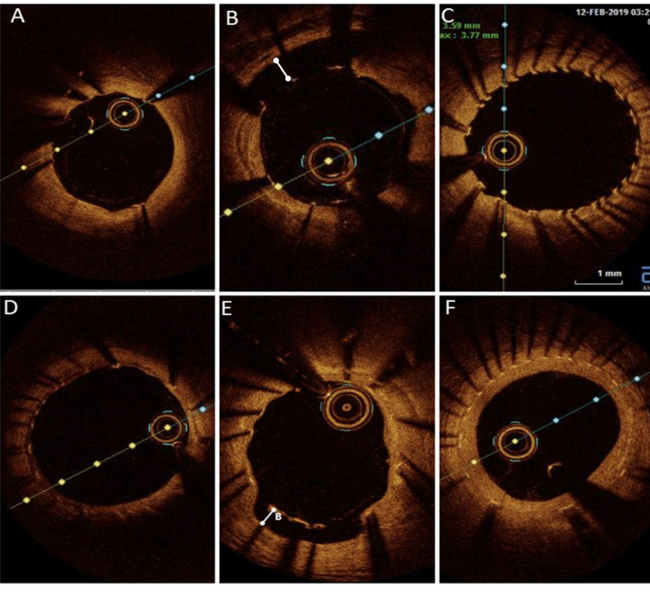
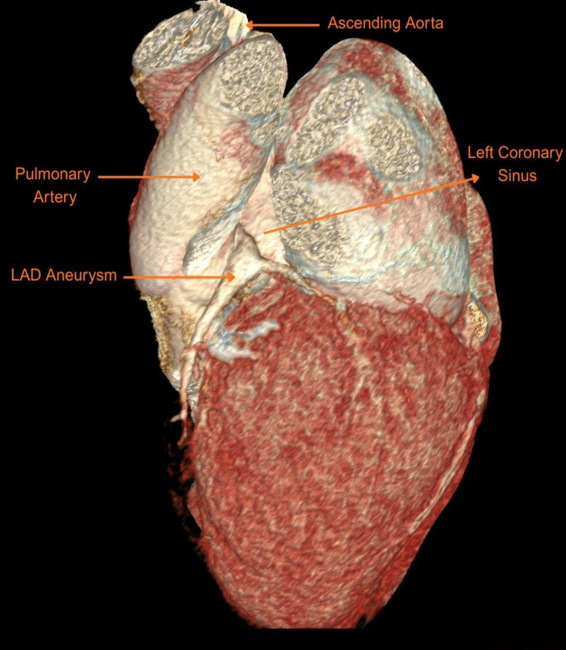
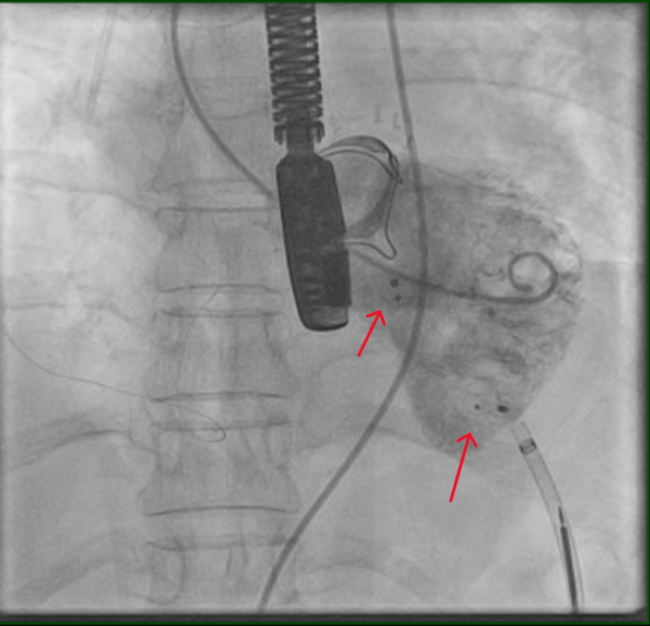
Case Report. A 25-year-old Caucasian female was referred to our institution with uncontrolled hypertension due to renal artery stenosis, which had been diagnosed based on clinical features, ultrasound and Doppler study. Renal angiography revealed a 7-mm diameter saccular aneurysm at the mid-shaft of the right renal artery. The aneurysm was attached to the artery by two pedicles, which were each ~ 5% of the reference diameter, creating severe hemodynamic stenosis. There was another smaller aneurysm distally and an arterio-venous fistula was apparent distal to the first aneurysm (Figure 1). The left renal artery was normal (Figure 2).
The patient received aspirin and clopidogrel three days prior to the intervention. During the procedure, the patient received an intravenous heparin bolus of 5,000 IU (70 IU/kg) to keep the activated clotting time at 250 seconds.
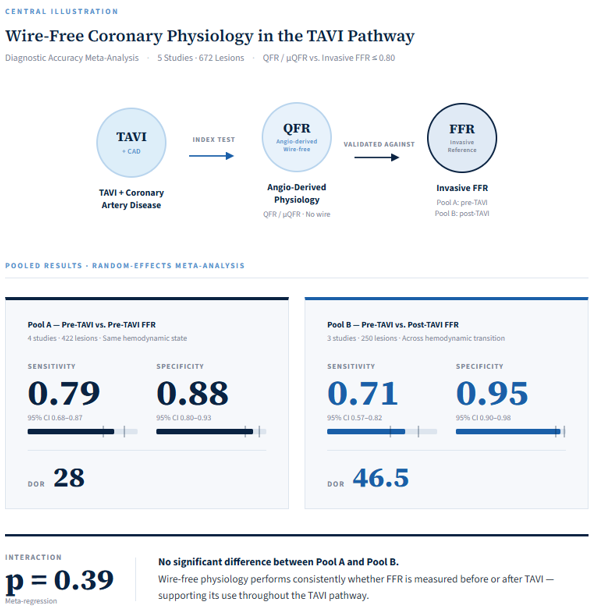
A 0.022 x 0.35 Jindo™ guidewire (Cordis Corporation, Miami, Florida) was used to cross the lesion through an 8 French renal guiding catheter (Cordis Corporation). It was difficult to cross the pedicle facing the sac of the aneurysm and reach the distal pedicle. However, the wire crossed successfully after balloon dilatation of a 4 mm OPTA balloon (Cordis Corporation). A 26-mm, JOSTENT® graft-covered coronary stent (Jomed GmbH, Rangendinggen, Germany) mounted on a 6.0 x 30 mm OPTA balloon was then inflated up to 18 bars. Post-stenting angiography showed immediate obliteration of the aneurysm, closing of the arterio-venous fistula and improvement in the stenosis (Figure 3).
During the procedure, 200 cc of Hexabrix contrast media (Guerbet, Cedex, France) was used. Fluoroscopy time was 7.6 minutes.
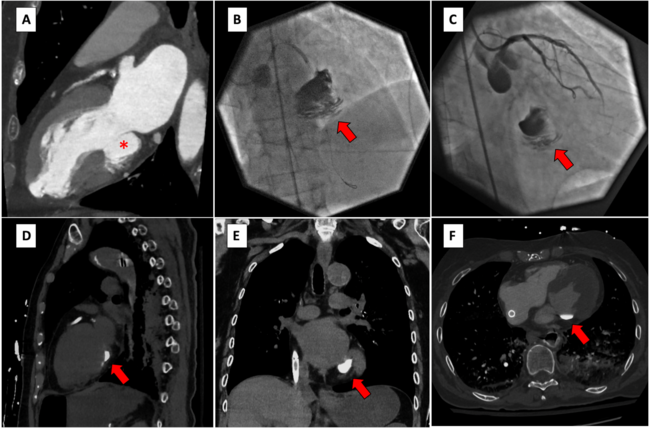
The patient was discharged the next morning on clopidogrel 75 mg/day for 3 months and aspirin 325 mg/day for 6 months. She had normal renal function at discharge and was not given any antihypertensive medications. During follow-up, the patient remained normotensive; six-month angiography showed a completely patent stent and a good end result (Figure 4).
Discussion. Renal artery stenosis, with or without aneurysm, is usually associated with significant hemodynamic obstruction to renal blood flow. This results in increased renin and angiotensin production, which causes systemic hypertension. In our patient, the presence of an associated arterio-venous fistula resulted in an additional detrimental effect on distal renal blood flow.
Our patient was young, with no prior history of systemic infection or inflammatory illness, a normal lipid profile and associated arterio-venous fistula not acquired by trauma. These factors indicate that the abnormal vascular dilation of the renal artery in our patient was most likely congenital in origin. Takiguchi et al.6 reported a case of coronary saccular aneurysm in which they concluded that the aneurysm was congenital based upon the same exclusion criteria.
To our knowledge, this is the first case reported with such a complex pathology (stenosis, aneurysm and arterio-venous fistula) treated with the percutaneous approach. Because the result of a surgical treatment for this case was uncertain and the mid- and long-term results of renal artery stenosis stenting in reno-vascular hypertensive patients have been encouraging,7 we chose to use a stent graft to treat our patient. The increased risk of stent thrombosis in a stent graft can be avoided with the prolonged use of an antiplatelet agent (clopidogrel) for more than three months.
Conclusion. Covered endoprostheses allow the operator to perform true internal bypass using percutaneous access. They have yielded promising acute and mid-term results and may be superior to surgical treatment in certain cases. Significant stenosis (neck or pedicle) can be associated with saccular aneurysms. Long-term follow-up results in a greater number of patients are needed before the best mode of treatment can be ascertained.
1. Cragg AH, Lund G, Rysavy JA, et al. Percutaneous arterial grafting. Radiology 1984;150:49–54.
2. Cragg AH, De Jong SC, Barnhart WH, et al. Nitinol intravascular stent: Result of preclinical evolution. Radiology 1993;189:775–778.
3. Paraodi JC. Endovascular repair of abdominal aortic aneurysms and other arterial lesions. J Vasc Surg 1995;21:549–557.
4. Diethrich EB, Papazoglou CO, Lundgquist P, et al. Early experience with aneurysm exclusion devices and endoluminal bypass prosthesis. J Intervent Cardiol 1994;7:108–110.
5. Vaideeswar P, Madiwale CV. Renal arterial stenosis: An incidental finding at autopsy. J Postgrad Med 1998;44:24–25.
6. Takiquchi M, Mishida H, Kitamura M, et al. A case of saccular aneurysm of coronary artery. Nippun-kyobu-Gek, Gakkai-zasshi 1996;44:978–981.
7. Dorros G, Prince C, Mathiak L. Stenting of renal artery stenosis achieves better relief of obstructive lesion than balloon angioplasty. Cathet Cardiovasc Diagn 1993;29:191–198.