Transplant vs CAR-T Therapy in Newly Diagnosed Transplant-Eligible Multiple Myeloma
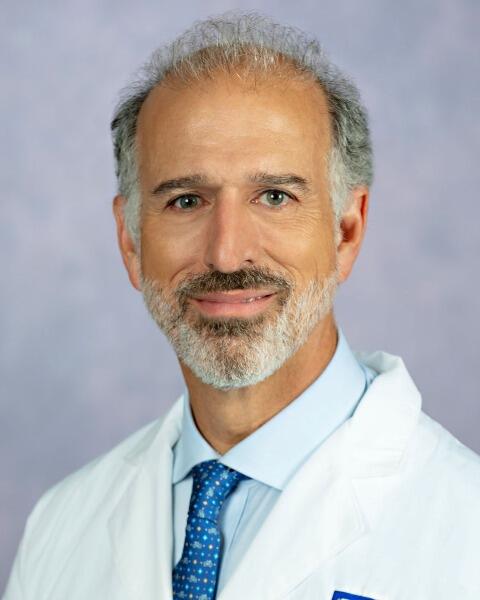
At the 2026 LL&M Winter Symposium in Amelia Island, Florida, Kenneth Shain, MD, PhD, Moffitt Cancer Center, Tampa, Florida explores transplant versus CAR-T therapy in the context of newly diagnosed transplant-eligible patients with multiple myeloma (MM).
Transcript:
My name is Ken Shain. I'm a Moffitt myeloma physician who is here at LL&M Winter. I was asked to discuss where we are in terms of transplant versus potentially CAR-T in the context of newly diagnosed transplant-eligible patients.
I think for the most part, what the presentation really involved was highlighting where we are today with quad-based therapy induction (ie, CD38, PI, lenalidomide, and dexamethasone) followed by autologous stem cell transplant or high dose-melphalan autologous stem cell transplant, and then maintenance therapy.
I’m highlighting the fact that today with monoclonal antibody CD38, we've changed the paradigm. We've changed our ability to get patients under control for longer periods of time, both with induction and maintenance therapy, to times that we probably didn't think were possible, meaning PFSs that are really remarkable. As well as, what we call, minimal residual disease (MRD) negative states, are things that really were doing better than we ever had before. And that that is now a high bar that we've set for ourselves that we need to overcome.
I think what's important is the next generation of therapy for myeloma, that I would argue is even better than what we just talked about, is our cellular immunotherapies, right? These are things like CAR-T therapy and T-cell engagers, that are now going to allow us to get responses we never thought we could get, even in relapsed patients—how do we integrate these into our upfront therapies?
Comparing and contrasting where transplant is today in the context of transplant-eligible intervals and how we need to integrate and test, to ask the question, does CAR-T, or do T-cell engagers, can they be something we can do instead of, or after high-dose therapy to again improve patient outcomes and again, change the scope of therapy today?
I think maybe in a hopeful setting is that the long-term story is can we change myeloma into a functional cure era to where actually talk about real cures, meaning patients are off therapy for long, long periods of time, if not forever, with these really powerful upfront therapies.
But it's a question today. We're not there yet.
Source:
Shain K. What’s new in Front Line Treatment for Transplant Eligible Patients: Auto or CAR-T? Presented at Lymphoma, Leukemia & Myeloma Winter Symposium; January 30-February 1, 2026. Amelia Island, Florida.