











PV Management Question 1
Transcript
So, the correct answer is that white cell count is increasingly recognized as clinically relevant, and leukocytosis can support consideration of cytoreductive therapy. The rationale behind this is currently, we have a guidance that does not consider white cell elevation as a high risk factor for patients with polycythemia vera. However, it has become clear over the years that elevated white cell and leukocytosis do possess a significant risk for not only disease progression but also for thrombotic considerations. Therefore, they reflect a higher incidence of disease that could progress and should be considered as guidance for decision-making to start therapy in patients who otherwise have a low risk. The predictive value of an exact number of elevated white cells is not known, but there are a couple of retrospective and meta-analysis studies that say that any cutoff that you can see, if it's persistent or increasing, is relevant and should be considered for decision-making for patients to be treated based on the white cell elevation.
References
- Marchetti M, Vannucchi AM, Griesshammer M, et al. Appropriate management of polycythaemia vera with cytoreductive drug therapy: European LeukemiaNet 2021 recommendations. Lancet Haematol. 2022;9(4):e301-e311. doi:10.1016/S2352-3026(22)00046-1
- ELN 2021 guideline recommendations for polycythemia vera. MPN Hub. May 10, 2022. Accessed April 15, 2026. https://mpn-hub.com/medical-information/eln-2021-guideline-recommendations-for-polycythemia-vera
- Gerds AT, Mesa R, Burke JM, et al. Association between elevated white blood cell counts and thrombotic events in polycythemia vera: analysis from REVEAL. Blood. 2024;143(16):1646-1655. doi:10.1182/blood.2023020232
- Grunwald MR, Burke JM, Kuter DJ, et al. Symptom burden and blood counts in patients with polycythemia vera in the United States: an analysis from the REVEAL study. Clin Lymphoma Myeloma Leuk. 2019;19(9):579-584.e1. doi:10.1016/j.clml.2019.06.001
© 2026 HMP Global. All Rights Reserved.
Any views and opinions expressed are those of the author(s) and/or participants and do not necessarily reflect the views, policy, or position of Oncology Learning Network or HMP Global, their employees, and affiliates.
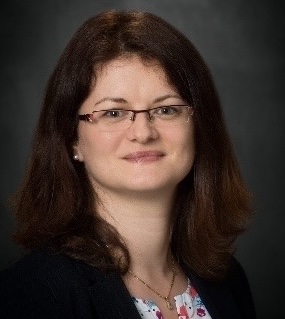
Dr Masarova is an associate professor in the Department of Leukemia, The University of Texas MD Anderson Cancer Center, Houston, TX. She is also co-leader of Myeloproliferative Neoplasms Session, Division of Cancer Medicine, at MD Anderson. Dr Masarova earned her medical degree from Comenius University Bratislava School of Medicine, Bratislava, Slovakia, and completed research and clinical fellowships in Leukemia at UT MD Anderson. While in Slovakia, Dr Masarova actively collaborated with researchers from other European sites to co-develop the largest Central European database of invasive fungal infections. She is a highly motivated physician, pursuing an academic, translational-research career while expanding her broad knowledge, training, and expertise in oncology and hematology. Her research includes various aspects of hematologic malignancies, with special interest in infections, immune system involvement, and influence of disease background and therapies on their outcome. Dr Masarova has completed many research projects and first-authored several manuscripts in peer-reviewed journals in addition to presenting her research at large Hematologic and Oncologic Conferences worldwide.






