Performance Of Machine Learning Models in Predicting Incident and Recurrent Atrial Fibrillation After Catheter Ablation — An Interview With Andreas Sarantopoulos, MD
Key Summary
- Machine learning enables more accurate prediction of incident and recurrent AF using standard clinical and ECG data, improving risk stratification vs conventional scores.
- ML can support pre-ablation patient selection and post-ablation recurrence prediction, guiding follow-up intensity and management decisions.
- High-risk predictions may enable earlier intervention, tailored anticoagulation/monitoring, and therapy adjustment, potentially reducing stroke and complications.
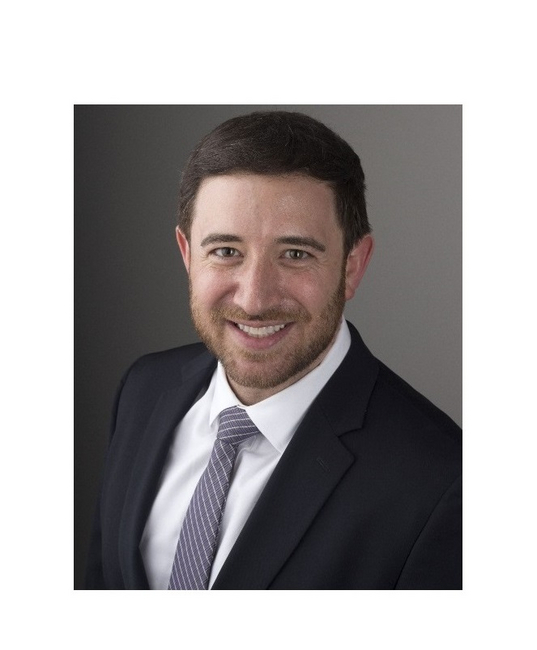
In this interview from CRT 2026, Dr Andreas Sarantopoulos of the NCH Rooney Heart Institute discusses his Top Abstract on machine learning for predicting recurrent atrial fibrillation and its implications for interventional cardiology practice.
Transcript:
I'm Andrea Sarantopoulos—I'm a physician and researcher at NCH Rooney Heart Institute in Naples, Floria. This is a great opportunity for me, thank you very much.
Your meta-analysis found that machine learning (ML) models outperform traditional clinical risk scores for predicting atrial fibrillation (AF). From a practical standpoint, how do you envision these models being integrated into the workflow of interventional cardiologists?
I believe these models are here to replace and improve on our previous statistical models. All the models that we were using until now use very traditional statistical approaches like linear regression or multivariance analysis in order to get all the data (eg, patient demographics, electrocardiogram [ECG] baselines) and try and give us a prediction of the risk of a patient's AF, right? With artificial intelligence (AI) and ML models, though, we can enhance this by so much more. By using the same input, the same history of the patient, the same ECG models, you can have almost a 10x increase in the accuracy and stratification of these patients as either low risk, moderate risk, or high risk.
So, the first thing it can be applied to is the preoperative side of things, like risk stratification. Secondly, in patients undergoing an ablation for AF or any kind of procedure, you can take the baseline data, when they got admitted, and their postoperative data and by feeding them into the machine you can actually see what the risk of AF recurring is. So, it's not just for prevention and screening, it can also be used as an adjunct to postoperative care.
Support Vector Machines (SVMs) demonstrated the most consistent performance across studies in your analysis. Why do you think SVMs outperformed approaches like XGBoost, Random Forest, and deep learning models in this context, and what implications does that have?
The architecture of SVMs is the reason that, in our opinion, SVMs overperform compared to the rest. In very plain terms, what an SVM does: imagine a line; it draws a line between 2 groups. So, if the question is, “am I going to have AF after a procedure?”, there is group 1, which is yes, and there's group 2, which is no. SVM collects all the data points, draws 1 curve, and then tries to estimate the distance of the 2 groups on that curve. If there is a margin to increase the distance, it further increases it. So, what it does in essence, is it finds the maximum distinction between group “yes, I will have AF,” and “no, I will not have AF.” That is the reason why it outperforms the rest, because, inherently, it has the ability to figure out which group is which in the most efficient way, in the most confident way. So, yes, we expected the SVM to outperform the rest.
Even if we can accurately predict incident or recurrent AF, how does this affect patient management? What clinical decisions—such as rhythm monitoring strategies, anticoagulation, or procedural planning—do you believe could realistically be influenced by ML-based AF risk prediction in the near term?
Obviously, trials need to be performed to give you a documented response. But from our understanding, if you know that the patient is at high risk of AF, and you have this decision with an AI model predicting with 95% accuracy, then you can easily argue that, okay, we're going to start on a more intense preventive AF therapy way earlier on. We may go for a preventive ablation—now you can do ablation even with minimally invasive or endovascular approaches so you don't have to do a surgical operation on the patient. This is one thing you could intervene on earlier and with much more confidence because you have the data to back you up, and this could lead to improvement outcomes in these patients, less medication burden in the future, less complications, and reduction of stroke. That's one way, in our opinion, that this early identification is going to affect the field.
Secondly, after an operation, it's way easier to adjust and escalate or de-escalate the current treatment a patient has already undergone based on the prediction of how they're going to fare after an intervention.
Is there anything else you’d like to share with our audience?
My opinion is, again, that AI is here to strengthen physicians and not replace them. So, this type of algorithm and these types of mechanisms can really help us elevate to the next level of patient care and medicine.
The transcript has been lightly edited for clarity.
© 2026 HMP Global. All Rights Reserved.
Any views and opinions expressed are those of the author(s) and/or participants and do not necessarily reflect the views, policy, or position of the Journal of Invasive Cardiology or HMP Global, their employees, and affiliates.