Future Directions for RDN | From Hypertension to AFib and Beyond: 2026 Update — An Interview With Eric A. Secemsky, MD, MSc
In this interview from CRT 2026, Dr Eric A. Secemsky of Beth Israel Deaconess Medical Center speaks about the current status of renal denervation as a management strategy for atrial fibrillation and hypertension. Read the summary of his session here.
Transcript:
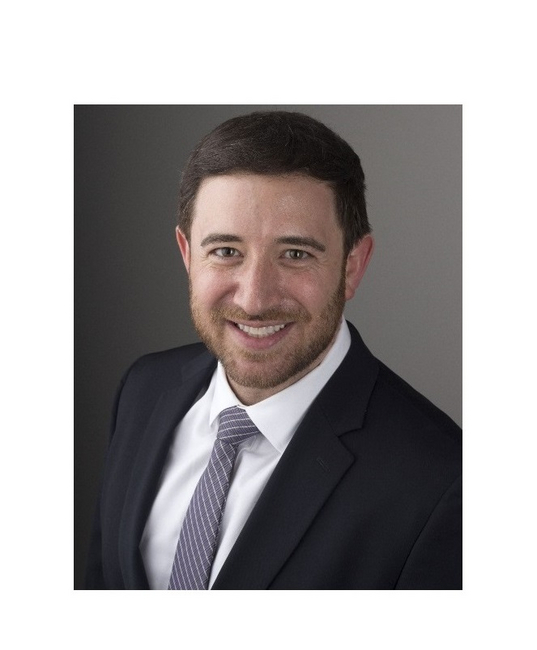
Hi, I'm Eric Secemsky; I'm the Director of Vascular Intervention at Beth Israel Deaconess Medical Center in Boston, Massachusetts.
Since we spoke last year, what new clinical trial data or guideline updates have most influenced how you integrate renal denervation (RDN) into practice for patients with atrial fibrillation (AFib) and resistant hypertension (HTN)?
RDN has continued to evolve. In terms of managing uncontrolled HTN, there's now a Class 2b recommendation to consider RDN and uncontrolled HTN and that's really influenced our practice—our commercial volume has grown significantly since both that guideline recommendation and some improvements in reimbursement. In terms of thinking outside of just uncontrolled HTN, we continue to explore the impact of RDN on other organ systems and other cardiovascular issues, including AFib.
We've seen some early data suggesting that RDN can improve procedural treatments of AFib, including pulmonary vein isolation (PVI), and there's ongoing studies looking at its impact as a combination in randomized and single-arm prospective studies with PVI and RDN.
Looking back at the patients you’ve treated over the past year, have you identified specific subgroups who derive the greatest benefit from adjunctive RDN?
RDN is really effective in patients who have particularly high uncontrolled resting blood pressure, or baseline blood pressure. So, the higher the baseline blood pressure, the larger the blood pressure response we expect. Also, in my practice, we treat many patients who are on 3, 4, 5, 6, maybe even more meds, and those patients always seem to have a quite substantial benefit, whether it's coming down on medication and/or reducing their blood pressure in conjunction. So, it's been incredibly effective.
What we're now monitoring for in our RDN population, through both a registry we run called the Smith Center Registry and in the future with the American College of Cardiology, is if there's implications in long-term cardiovascular event reduction, including heart failure hospitalizations, recurrence or initial occurrence of AFib, stroke, myocardial infarction, and onwards.
What practical barriers—such as reimbursement, workflow, or multidisciplinary collaboration—remain most challenging for broader adoption of RDN in AFib and hypertension management, and how are you addressing them in your institution?
Right now, RDN for AFib itself is still in an investigational phase, so it's not our primary indication for RDN. Nonetheless, when we look holistically at our patients and those who have other cardiovascular comorbidity issues, including heart failure and AFib, we know they can potentially be enriched with RDN treatment for uncontrolled HTN. Right now we use a multidisciplinary group, including an HTN specialist, a nephrologist, an endocrinologist, and our electrophysiology team to select patients for both RDN, and we also think about alternative investigational pathways like AFib and even uncontrolled or resistant recurrent ventricular tachycardia, which is an area of interest in our institution in particular.
The transcript has been lightly edited for clarity.
© 2026 HMP Global. All Rights Reserved.
Any views and opinions expressed are those of the author(s) and/or participants and do not necessarily reflect the views, policy, or position of the Journal of Invasive Cardiology or HMP Global, their employees, and affiliates.