Combined Left Atrial Appendage and OAC: The Next Frontier | LAAOS IV Trial
Key Summary
- Patients with atrial fibrillation remain at meaningful risk for ischemic stroke despite therapeutic OACs; discontinuation and interruptions are common, highlighting limitations of anticoagulation alone.
- LAAOS III showed a 33% relative reduction in ischemic stroke/systemic embolism with surgical LAA occlusion added to usual care (mostly OAC), suggesting additive stroke protection beyond anticoagulation.
- Positive results of LAAOS IV could establish device-plus-anticoagulation as a new standard for stroke prevention.
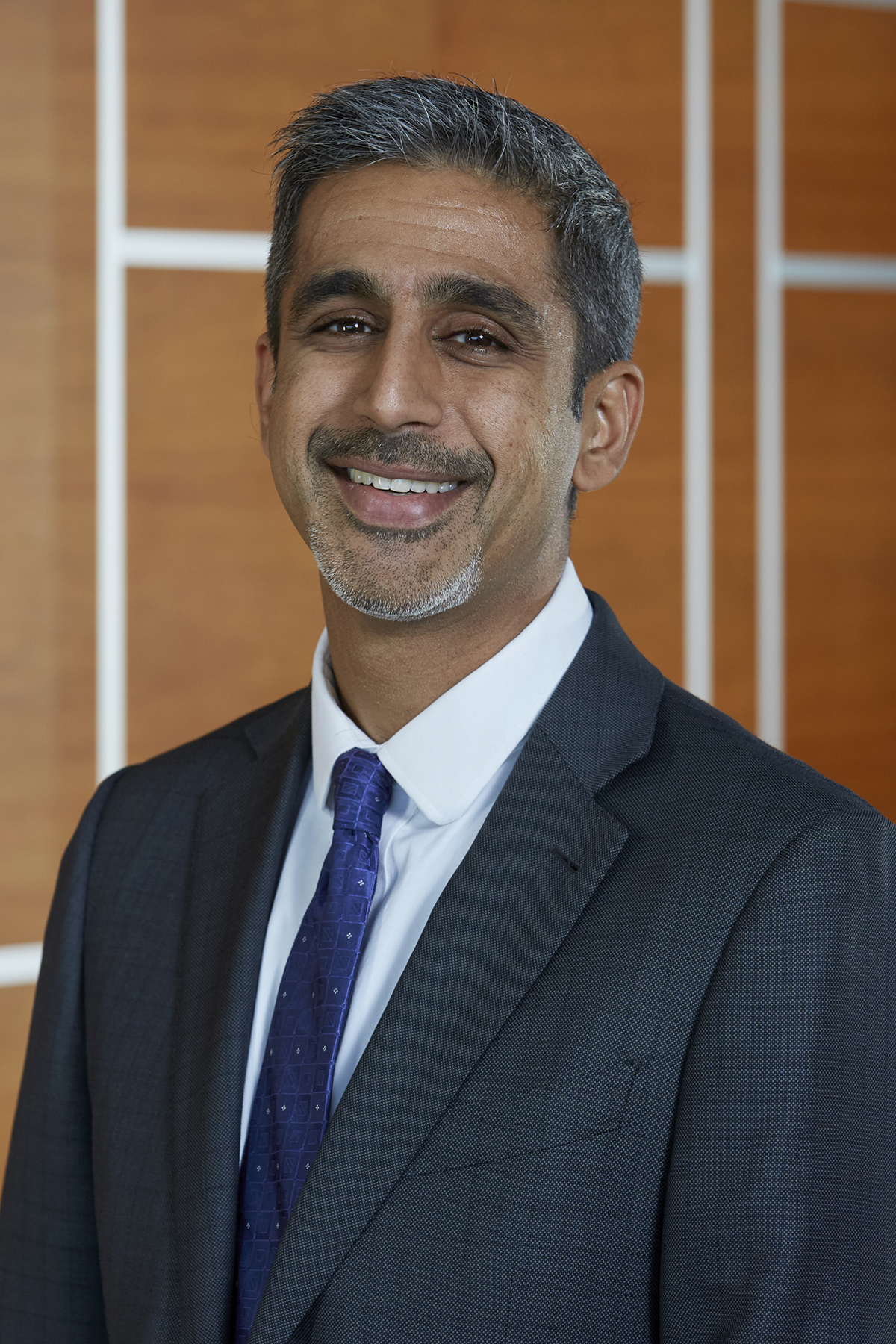
McMaster University
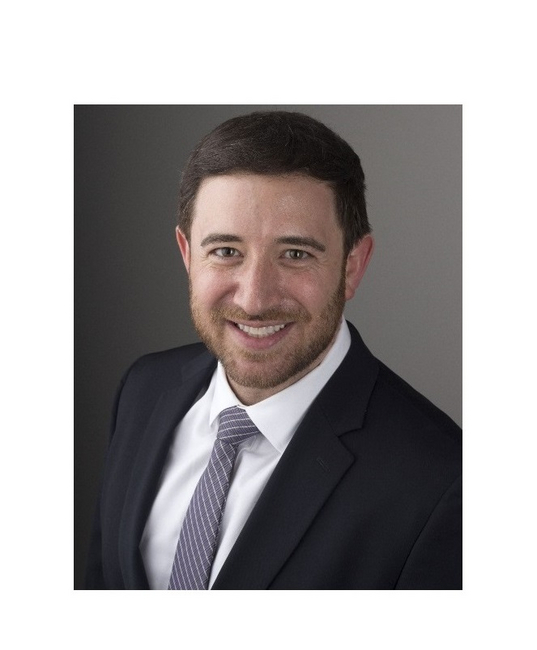
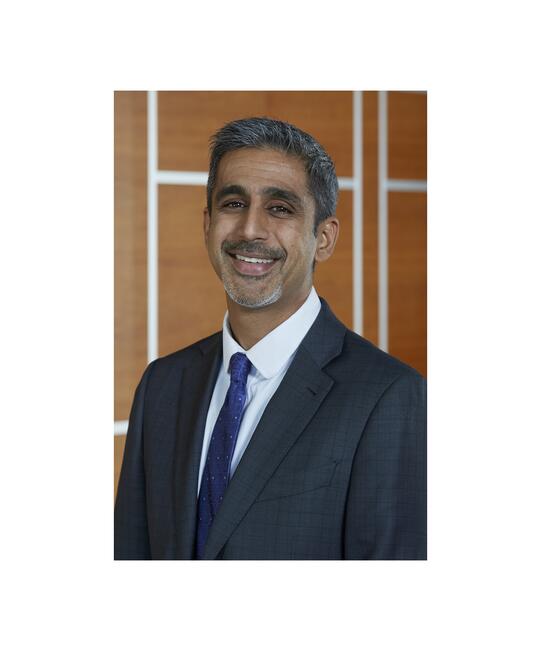
For interventional cardiologists managing atrial fibrillation (AF), the LAAOS IV trial is exploring a pivotal question: should high-risk patients receive left atrial appendage occlusion (LAAO) plus ongoing oral anticoagulation (OAC) instead of OAC alone? At the 2026 Cardiovascular Research Technologies (CRT) conference held in Washington, DC, Dr Sanjit S. Jolly of McMaster University presented the most recent developments in combination therapy for atrial fibrillation and the highly anticipated trial.
The Residual Stroke Risk on Anticoagulation
Even with therapeutic OACs, residual stroke risk remains substantial:
- Patients with AF who suffer ischemic stroke while on OAC face a ~12% recurrent risk at 2 years
- 40% to 50% of patients discontinue OAC within 2 to 3 years
- Interruptions due to procedures, bleeding, and nonadherence are common
Additionally, high-risk patients may carry an approximately 10% stroke risk at 5 years despite anticoagulation. These data beg the question: can LAAO fill this gap and reduce stroke?
The Rationale: Lessons From LAAOS III
The LAAOS III trial randomized 4811 cardiac surgery patients to surgical LAAO plus usual care (mostly OAC) vs OAC alone.1
Key findings:
- 33% relative risk reduction in ischemic stroke/systemic embolism
- 40% reduction beyond 30 days according to landmark analysis
- The benefit was consistent whether patients remained on OAC or not
This suggests additive stroke protection—analogous to combining statins with revascularization in coronary artery disease.
LAAOS IV Trial Design
LAAOS IV extends this concept to endovascular LAAO performed with the WATCHMAN FLX/FLX Pro device (Boston Scientific). The study design includes 4000 high-risk AF patients—CHA₂DS₂-VASc score greater than or equal to 4—who are planned for long-term OAC and have (a) persistent AF or (b) paroxysmal AF combined with a history of stroke. Patients will be randomized to usual care vs usual care plus WATCHMAN, and follow-up will take place every 6 months. Like LAAOS III, the primary endpoint is ischemic stroke or systemic embolism.
Expert Perspectives
Dr Jolly likened the addition of LAAO therapy to a “seatbelt and airbag,” offering protection when OAC is interrupted or discontinued.
In discussion, Dr Jolly noted that his practice favors half-dose direct oral anticoagulants (DOACs) over dual antiplatelet therapy (DAPT) for high-bleeding-risk patients undergoing WATCHMAN implantation, as DAPT may not be safer and may be associated with increased bleeding.
Why This Matters
If positive, LAAOS IV could redefine stroke prevention in AF—positioning combination therapy as a new standard for high-risk patients, much like the PARTNER trial reshaped aortic stenosis management. For interventional cardiologists performing LAAO, this trial may represent the next major paradigm shift in structural heart therapy.
© 2026 HMP Global. All Rights Reserved.
Any views and opinions expressed are those of the author(s) and/or participants and do not necessarily reflect the views, policy, or position of the Journal of Invasive Cardiology or HMP Global, their employees, and affiliates.