Regorafenib Demonstrates Consistent Benefit in Unresectable Hepatocellular Carcinoma
Key Clinical Summary:
- Design/Population: Post hoc analysis of the global REFINE study evaluating real-world regorafenib use in patients with unresectable hepatocellular carcinoma, including underrepresented populations and those previously treated with TACE or TARE.
- Key Outcomes: Regorafenib demonstrated efficacy and a safety profile consistent with prior phase 3 data, including in patients who had received prior locoregional therapies such as TACE or TARE.
- Clinical Relevance: These findings support the continued use of regorafenib in diverse real-world populations with unresectable hepatocellular carcinoma, including patients historically underrepresented in clinical trials and those progressing after locoregional therapy.
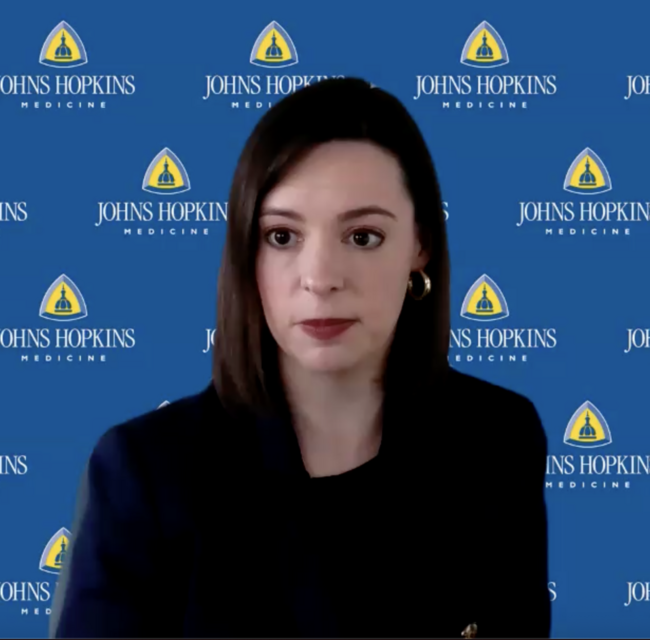
Richard Finn, MD, University of California, Los Angeles, California, discusses post hoc analysis results from the REFINE study assessing regorafenib in patients with unresectable hepatocellular carcinoma.
These results demonstrated that regorafenib maintains efficacy and safety in underrepresented patients, including those previously treated with transarterial chemoembolization (TACE) or transarterial radioembolization (TARE).
Transcript:
Hi there, this is Dr Richard Finn, professor of medicine in the division of hematology oncology at the Geffen School of Medicine at UCLA and [this is] just a few minute discussion about some recently published data on the real-world use of regorafenib.
As many of you know, regorafenib was the second drug approved in the management of liver cancer. The first one being sorafenib in 2008 and then a long drought of approvals until regorafenib was approved as second-line treatment after patients had received prior sorafenib, and that was based on the RESORCE study. The landscape of liver cancer certainly has changed since the approval of regorafenib, and given that things have changed, there's been a desire to obtain real-world evidence with the use of new drugs in the liver cancer space.
The REFINE study was launched shortly after the approval of regorafenib and evaluated real-world usage of the drug in a global setting. This was a very large study, prospectively collecting data on over 1000 patients– just over half of them were from Asia, the rest were from Europe and the US, and it followed to see how safe regorafenib was in this real-world population, outside of the rigorous inclusion and exclusion criteria of a phase 3 study, as well as early efficacy signals in the real-world setting, specifically looking at overall survival and progression-free survival.
The overall take-home message from the REFINE study was that in this real-world population, the tolerability, common adverse events, discontinuation rates, and dose modification rates were all very similar to what was described in the phase 3 study. In addition, the side effect profile looked very similar, with the most common side effects being hand-foot-skin reaction in 33% of patients as well as diarrhea and fatigue, and this is of all grades.
Median overall survival in this cohort was 13 months and this is very consistent with what we saw in the RESORCE study. Interestingly, they also showed that from the start of sorafenib to death, as captured in the REFINE study, was over 24 months, specifically 25.3 months– that very much mimics an analysis we had done in patients who were in the RESORCE study and published that from start of sorafenib to death on RESORCE it was about 2 years. And 2 years seems to be the median survival now we are seeing with the frontline immuno-oncology agents and it's important for us to keep in mind that regorafenib is an option for patients after progression on frontline immunotherapy. Keep in mind, all the drugs that have been approved for second line globally have been studied only after sorafenib in formal phase 3 studies– they weren’t even studied after prior lenvatinib so we have somewhat of a data gap on the use of all the drugs we have now that frontline immunotherapy doublets are largely used in the frontline setting. When patients do progress, we have several options. All the TKIs that have been approved prior, as well as ramucirumab for patients who have an elevated AFP. How ultimately to sequence these is really up to expert opinion, patient preference, and physician comfort with the management of the adverse events.
We also had a separate cohort looking at just the US population, and this again very much mimicked what we saw in the global population in regards to safety and efficacy. It’s important to note in the real-world setting, we did have a subset of patients who were Child-Pugh B, as well as those who had ALBI grade 2, so a little less compensated patients than are typically required in a phase 3 study. And again, the safety of the drug was confirmed in these populations, though as expected, survival in patients with less compensation is not as good as in patients who are Child-Pugh A. But importantly, for our patients who are less compensated and are motivated for treatment and are otherwise capable of coming to the clinic, it may be reasonable to consider treatment with drugs like regorafenib or others that have this safety profile in patients who are progressing on frontline therapy.
Increasingly, we’re seeing patients who are second- and third-line patients globally, as well as here in the US and even beyond. And sequencing drugs that have proven activity in liver cancer hopefully will continue to incrementally extend survival. Importantly, there was a subset of patients, though relatively small, in the US cohort, as well as the global cohort in REFINE, who did have prior immune checkpoint inhibitors. Most of those were single-agent immuno-oncology agents, very few had prior doublets. But needless to say, the best we can glean from that is that, again, the safety and efficacy of regorafenib seemed consistent with prior sorafenib treatment.
I’d like to close with the last comment that there was recently published a prospective phase 2 study of second-line regorafenib after progression on atezolizumab and bevacizumab. This study was a multicenter study done in Korea and accrued patients who had had prior atezo/bev for 2 cycles and then were given regorafenib at the standard dose of 160 milligrams daily, 3 weeks on and 1 week off and looked at clinical readouts. They found that median [overall survival] in this population was about 10 and a half months, which is not that dissimilar to what was seen again in either the REFINE study or the phase 3 RESORCE study, where most patients had prior sorafenib.
Source:
Kim YJ, Merle P, Finn RS, et al. Regorafenib use in patients with unresectable hepatocellular carcinoma: Analyses of subgroups of special interest in the observational REFINE study. ESMO Gastrointest Oncol. Published online: January 22, 2026. doi:10.1016/j.esmogo.2025.100292