Ultra-Deep Whole Genome Sequencing of Cell-Free DNA Enhances MRD Detection and Risk Stratification in Multiple Myeloma
Key Clinical Summary:
- Design/Population: A translational study in multiple myeloma evaluated a peripheral blood cell-free DNA-based approach for risk stratification and minimal residual disease detection, using mutation lists derived from baseline bone marrow and longitudinal blood sampling to reduce reliance on serial marrow biopsies.
- Key Outcomes: Tracking around 2,500 patient-specific mutations in cfDNA achieved close to 90% concordance with bone marrow MRD assays (multiparameter flow cytometry and clonoSEQ) and identified disease missed by marrow-based methods. cfDNA MRD status strongly predicted outcomes, with 24-month relapse-free survival of 100% vs 14% after 1 year of maintenance and a median 1-year lead time from rising cfDNA MRD signal to clinical progression. Ultra-deep whole-genome sequencing (150 to 200×) of cfDNA captured about 88% of marrow mutations, including most known oncogenic drivers, and revealed subclonal evolution in about 50% of patients.
- Clinical Relevance: cfDNA-based MRD monitoring offers a minimally invasive, whole-body assessment with high accuracy and early relapse detection in multiple myeloma, supporting its potential to reduce bone marrow biopsies, improve long-term surveillance, and enable earlier, biology-informed intervention, pending validation in larger cohorts.
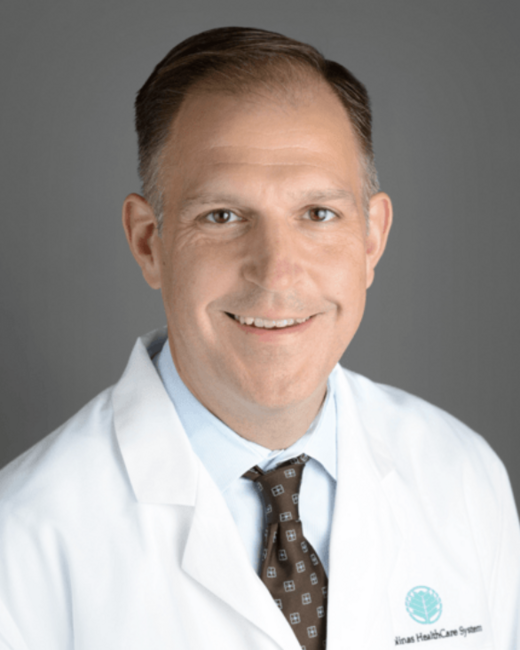
Dory Abelman, PhD, HBHSc, University of Toronto, Toronto, Canada, presented a minimally invasive approach to monitoring multiple myeloma (MM) using cell-free DNA from peripheral blood to detect minimal residual disease and stratify relapse risk, reducing the need for frequent bone marrow biopsies at the 2025 ASH Annual Meeting & Exposition.
The method achieved approximately 90% concordance with bone marrow-based MRD assays and detected relapse risk up to 1 year earlier than clinical progression by tracking thousands of tumor-specific mutations. Emerging ultra-deep whole genome sequencing further enhanced mutation capture and enabled tracking of subclonal evolution.
Transcript:
Hi, my name is Dory Abelman, currently at the Dana-Farber Cancer Institute and the Broad Institute. The work that I'm presenting at ASH today was done at Princess Margaret Cancer Center in Toronto.
We're very interested in using cell-free DNA from peripheral blood—like a regular blood draw where you get your vitamins checked—to do risk stratification and minimal residual disease detection in multiple myeloma. The motivation for this is we have patients in very long durable remissions now, for example, 5, even 7 years. To sample a bone marrow aspirate every 3, 4 months for that period is a bit painful and inconvenient for the patients.
We've developed a method where we look at cell-free DNA from peripheral blood and we track thousands of mutations, which we know from baseline bone marrow in the peripheral blood over time. Since we have so many, you can think of needles in the haystack that we're looking for 2,500 potential hits per patient. Our probability of finding a small number of those is very high.
Using this method, we've been able to achieve around 90% accuracy for detecting MRD compared to bone marrow-based methods, including multiple parameter flow cytometry and adaptive clonoSEQ. We're even able to capture cases that were missed by other methods like clonoSEQ since the cell-free DNA we're sampling comes from the whole body rather than just the compartment where the bone marrow aspirate was taken. We know that multiple myeloma is a very patchy disease.
We can also predict time to relapse with our minimal residual disease test with 100 versus 14% relapse-free survival probability at 24 months following 1 year maintenance. Further, the probability of a sample being MRD-positive based on the number of mutations that we're detecting in the cell-free DNA correlates with time to relapse, with a median lead time of around 1 year between the first increase in MRD probability increase from peripheral blood and the actual time to progression.
Lastly, we wanted to know if we could reduce the reliance on bone marrow even further by using a new sequencing technology from a company called Ultima Genomics, where we can now do 150x to 200x, really deep whole genome sequencing on cell-free DNA for comparable costs to what it would be normally for a 30x to 40x whole genome sequencing on bone marrow. Using this, we've been able to capture about 88% on average of all the mutations that we're sampling from the bone marrow in cell-free DNA and the majority of the OncoKB or likely oncogenic known driver mutations.
We're hoping to validate this work in bigger studies in the future of using ultra deep whole genome sequencing at baseline to get a mutation list and help stratify a patient and then follow those mutations over time for a minimally invasive MRD method. Lastly, because we're capturing the whole genome, we can also track subclonal evolution through copy number and the acquisition of new mutations over time, and we've seen subclonal evolution in 50% of all of our profile patients.
We hope that this method will be validated in larger studies and used in more centers in the future. Thank you.
Source:
Abelman D, Scott D, Eagles J, et al. Ultra-deep whole-genome sequencing of cell-free DNA recovers most bone marrow derived mutations in newly diagnosed multiple myeloma. 2025 ASH Annual Meeting & Exposition. Dec 6-9, 2025; Orlando, FL. Abstract: 495