Lorlatinib Continues to Show Benefit as First-Line Treatment for Advanced ALK+ Non-Small Cell Lung Cancer
Clinical Summary
- Design/Population: The phase 3 CROWN trial randomized patients with previously untreated advanced ALK-positive non-small cell lung cancer (NSCLC) to receive lorlatinib 100 mg once daily or crizotinib 250 mg twice daily. The current analysis reports 7-year follow-up data focused on long-term progression-free survival (PFS), CNS control, and safety outcomes.
- Key Outcomes: After a median follow-up of 83 months, median PFS with lorlatinib remained unreached, and 55% of patients remained progression-free at 7 years. CNS control remained durable, with 92% of patients free from CNS progression at 7 years. Toxicities were consistent with prior reports, with no increase in cardiovascular events observed.
- Clinical Relevance: These long-term findings demonstrate durable systemic and intracranial disease control with first-line lorlatinib and support its role as a standard-of-care treatment for advanced ALK-positive NSCLC. The sustained efficacy despite long-term treatment and the lack of adverse impact from dose reductions provide reassurance regarding long-term management of patients receiving lorlatinib.
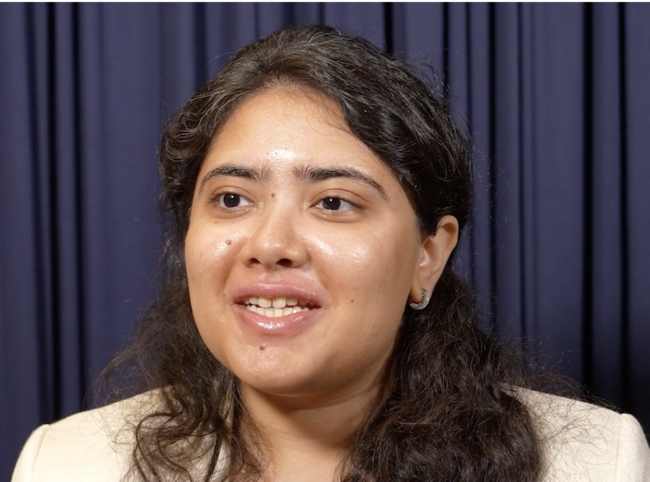
Tony S Mok, MD, FRCPC, FASCO, discusses the 7-year update from the phase 3 CROWN trial evaluating first-line lorlatinib versus crizotinib in patients with advanced ALK-positive non-small cell lung cancer. The study previously demonstrated a significant progression-free survival benefit for lorlatinib, and the current analysis provides the longest follow-up reported from the trial, with a focus on long-term disease control and CNS outcomes.
After a median follow-up of 83 months, median progression-free survival with lorlatinib remained unreached, with 55% of patients progression-free at 7 years. Patients who remained progression-free at 2 years had an estimated 79% likelihood of remaining progression-free at 7 years. CNS control was maintained in 92% of patients overall, including 83% of patients with baseline brain metastases and 96% of those without. Long-term safety findings were consistent with previous reports, reinforcing the durability of lorlatinib as a first-line treatment for advanced ALK-positive NSCLC.
Dr Mok presented these findings at the 2026 American Society of Clinical Oncology (ASCO) Annual Meeting in Chicago, Illinois.
Transcript:
Hello, I’m Professor Tony Mok from The Chinese University of Hong Kong. I have the honor of presenting at ASCO 2026 the CROWN study on the 7-year progression-free survival data.
Now, the CROWN study is a randomized phase 3 study in ALK-positive advanced-stage lung cancer patients randomized to receive either lorlatinib 100 mg daily or crizotinib 250 mg twice daily.
Based on these data, the primary endpoint is progression-free survival. In 2020, we actually had the primary endpoint achieved, with a New England Journal of Medicine publication demonstrating a hazard ratio of 0.28. However, at that time, the median progression-free survival had not been reached.
So we waited, and in 2024, after 60 months of follow-up, we looked at the 5-year data. At that time, we maintained a hazard ratio of 0.19; however, we still had not reached the median progression-free survival. So we waited 2 more years, and now we have the 7-year data. Even at 7 years, we still have not reached the median progression-free survival. But we learned a few things. After 83 months of median follow-up, we were able to say that 55% of patients are progression-free at 7 years.
Based on this progression-free survival curve, which is rather long and stretched, we were able to look at the dynamics of events. In the first 2 years, we were able to see 30% of patients having progression, meaning 20% in the first year and 10% in the second year. But after the second year, there was only a single-digit proportion of patients who had progression.
So at the end of 7 years, 55% of patients remained progression-free. We can estimate that if a patient had no progression after 2 years, the chance of having no progression at 7 years is about 79%. This is a very important message for patients with advanced-stage lung cancer.
Another aspect is looking at CNS control. We evaluated this with MRI performed every 8 weeks for the first 5 years and then every 16 weeks from 5 years onward. We were able to demonstrate that at the end of the seventh year, 92% of patients had no progression in the CNS.
For patients with brain metastases at presentation, the chance was about 83%, but for patients without brain metastases at presentation, the chance of no progression in the brain was about 96%.
Now, we still have to deal with toxicity. At 7 years, the toxicity data compared with the 5-year data showed no significant changes. Toxicities still included elevation of lipids and cholesterol, edema, weight gain, and cognitive dysfunction.
But we noticed a couple of things. First, at the end of 7 years, there was no difference in cardiovascular events. So despite the elevation in cholesterol, there was actually no increase in cardiovascular problems.
Another aspect is dose reduction. A total of 34% of patients had dose reductions. With dose reduction, we needed to ask the next question: whether it had an impact on outcomes. We looked at patients with and without dose reduction and found no difference in terms of progression-free survival and intracranial progression.
Overall, the 7-year CROWN data give us reassurance that the third-generation TKI lorlatinib is able to provide rather durable disease control for patients with ALK-positive lung cancer.
Source:
Mok TS, Solomon BJ, Felip E, Bauer TM, Liu G, Goto Y, et al. Lorlatinib vs crizotinib as first-line treatment for advanced ALK+ non-small cell lung cancer: 7-year update from the phase 3 CROWN study. Presented at the ASCO Annual Meeting. 2026. Abstract 8500.