Volume 24 - Issue 7 - July 2012

Addendum
07/20/2012
NULL
NULL
NULL
07/20/2012
Journal of Invasive Cardiology
07/02/2012
Tak W. Kwan, MD, FACC; David James, MD; Yili Huang, DO, MD
ABSTRACT: Diagnostic and interventional coronary procedures via cannulation of the radial artery have proven to be useful in patients with acute coronary syndrome (ACS) ST-segment elevation myocardial infarction, non-ST-segment elevation ACS,...
ABSTRACT: Diagnostic and...
07/02/2012
Journal of Invasive Cardiology
07/02/2012
Rajesh Sachdeva, MD; Ajay U. Mhatre, MD; Barry F. Uretsky, MD
ABSTRACT: Acute stent thrombosis is a rare, life-threatening, and challenging complication of left main stenting. Equally challenging is treating a chronic saphenous vein graft occlusion. Though considered class III indication per ACC/AHA...
ABSTRACT: Acute stent thrombosis...
07/02/2012
Journal of Invasive Cardiology
07/02/2012
Gianfranco Butera, MD, PhD; Luciane Piazza, MD; Joao Luiz L. Manica, MD
ABSTRACT: The difficult performance of certain percutaneous interventions in the field of congenital heart disease is well known. Crossing pulmonary arteries in patients who have previously undergone surgical repair or stenotic pulmonary...
ABSTRACT: The difficult...
07/02/2012
Journal of Invasive Cardiology
07/02/2012
Anurakti Srivastava, MD; Anil Sivadasan Radha, MD, DNB
ABSTRACT: Right pulmonary artery to left atrium fistula is a rare anatomic variation of pulmonary arteriovenous malformation in which the initial connection exists between a pulmonary artery and a pulmonary vein, but during vascular...
ABSTRACT: Right pulmonary artery...
07/02/2012
Journal of Invasive Cardiology
07/02/2012
Anna Dagre, MD, PhD; Nikos Kouris, MD, PhD; Christopher Olympios, MD, PhD
ABSTRACT: We report a case of an acute ST-T elevation myocardial infarction in a middle-aged female with a mechanical mitral valve prosthesis and subtherapeutic INR levels. We performed a primary coronary intervention, using a...
ABSTRACT: We report a case of an...
07/02/2012
Journal of Invasive Cardiology
07/02/2012
Luís Seca, MD; Leitão Marques, MD; Sérgio Nuno Craveiro Barra, MD
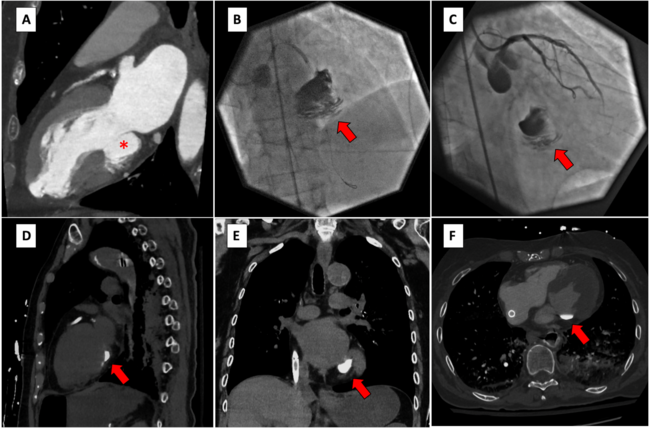
ABSTRACT: A 76-year-old female patient was referred to our institution because of typical chest pain. A continuous murmur was audible at the lower sternal border. A transthoracic echocardiogram showed non-dilated right and left ventricles...
ABSTRACT: A 76-year-old female...
07/02/2012
Journal of Invasive Cardiology
07/02/2012
Richard P. Abben, MD, FACC; Jordan Chaisson, BA; Paul A. LeLorier, MD
ABSTRACT: Percutaneous and surgical procedures intended to potentially cure atrial fibrillation require creating lines of conduction block in specific locations throughout the atrial chambers. In patients presenting with recurrent atrial...
ABSTRACT: Percutaneous and...
07/02/2012
Journal of Invasive Cardiology
Editor's Message
07/02/2012
Richard E. Shaw, PhD, FACC
Dear Readers,The goal of the Journal of Invasive Cardiology is to provide state-of-the-art information that will support clinicians in the effective management of patients with cardiovascular disease. There are many selections in this issue...
Dear Readers,The goal of the...
07/02/2012
Journal of Invasive Cardiology
Clinical Images
07/02/2012
Tesfaldet T. Michael, MD, MPH; Aristotelis C. Papayannis, MD; Emmanouil S. Brilakis, MD, PhD, FACC, FAHA, FESC, FSCAI
Abstract: The GuideLiner catheter is an easy-to-use guide catheter extension that can facilitate vessel engagement and equipment delivery. We present two cases that illustrate two potential challenges associated with use of the GuideLiner...
Abstract: The GuideLiner...
07/02/2012
Journal of Invasive Cardiology
Clinical Images
07/02/2012
Jeffery Cook, MD; Abhishek Deshmukh, MD; Rajesh Sachdeva, MD
Abstract: This case presented is a patient with non-ST elevation myocardial infarction with angiographic non-flow limiting linear opacity in coronary artery with fractional flow reserve in ischemic range secondary to recanalized organized...
Abstract: This case presented is...
07/02/2012
Journal of Invasive Cardiology
Abstracts
07/02/2012


Expected Outcomes and Hospital Costs Associated With Percutaneous Coronary Intervention and Atherectomy in Treatment of Moderate to Severely Calcified Coronary Lesions Richard Shlofmitz, MDBackground: Treatment of de novo, moderately to...
Expected Outcomes and Hospital...
07/02/2012
Journal of Invasive Cardiology
Tips and Techniques
07/02/2012
Tesfaldet T. Michael, MD, MPH; Emmanouil S. Brilakis, MD, PhD, FACC, FAHA, FESC, FSCAI; Subhash Banerjee, MD, FSCAI
Abstract: The role of internal mammary artery grafts in facilitating retrograde chronic total occlusion interventions is controversial. We describe two cases demonstrating: (a) retrograde wiring via a left internal mammary artery graft; and...
Abstract: The role of internal...
07/02/2012
Journal of Invasive Cardiology
Review
07/02/2012
David James, MD; Tak W. Kwan, MD, FACC; John T. Coppola, MD, FACC, FSCAI; Yili Huang, DO, MD; Michael Liou, MD; Sally Wong, PhD
Abstract: Ostial lesions, including aorta-ostial lesions and Medina 001 bifurcation lesions, are known to create difficulty in precise stent placement. There are many techniques used to help in precise ostial stent placement; these include...
Abstract: Ostial lesions,...
07/02/2012
Journal of Invasive Cardiology
Radial Access Technique
07/02/2012
Nevin C. Baker, DO; Sheharyar Ali, MD; James C. Blankenship, MD
Abstract: As data continue to show the benefits of radial artery access, the versatility and feasibility of this approach for complex coronary interventions is continually tested. We report successful angioplasty of a circumflex obtuse...
Abstract: As data continue to...
07/02/2012
Journal of Invasive Cardiology
Radial Access Technique
07/02/2012
Xavier Carrillo, MD; Josepa Mauri, MD, PhD; Eduard Fernandez-Nofrerias, MD; Oriol Rodriguez-Leor, MD; Antoni Bayes-Genis, MD, PhD
Abstract: Aims. The transradial approach (TRA) in coronary angiography is used less frequently than the transfemoral approach; the learning curve and transradial failure (TRF) have slowed its widespread use. We evaluate the incidence, causes,...
Abstract: Aims. The transradial...
07/02/2012
Journal of Invasive Cardiology
07/02/2012
Srihari S. Naidu, MD
When a patient chooses a doctor they form a sacred trust that together they will pursue the best diagnostic and treatment options available to meet the individualized goals of the patient. This trust, the essence of the doctor-patient...
When a patient chooses a doctor...
07/02/2012
Journal of Invasive Cardiology
06/29/2012
Mayank Agrawal, MD; Rajesh Sachdeva, MD
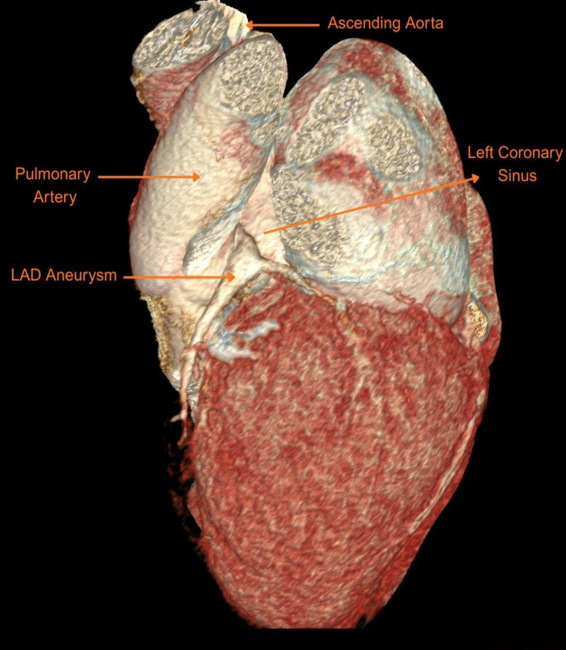
Prevalence of anomalous coronaries has been reported as 0.6%-1.3% in adults in different angiographic series. The most common coronary anomaly is separate origin of left anterior descending (LAD) and left circumflex (LCX) from left sinus of...
Prevalence of anomalous...
06/29/2012
Journal of Invasive Cardiology
06/29/2012
Emmanuel Sorbets, MD; Michael Choby, MD; Didier Tchetche, MD
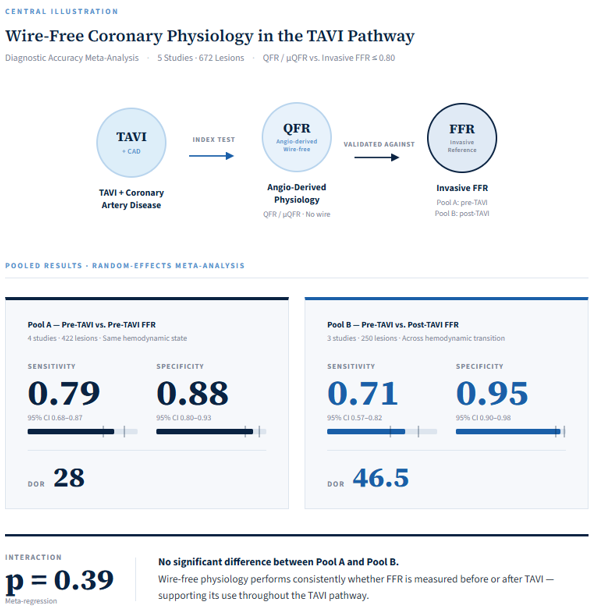
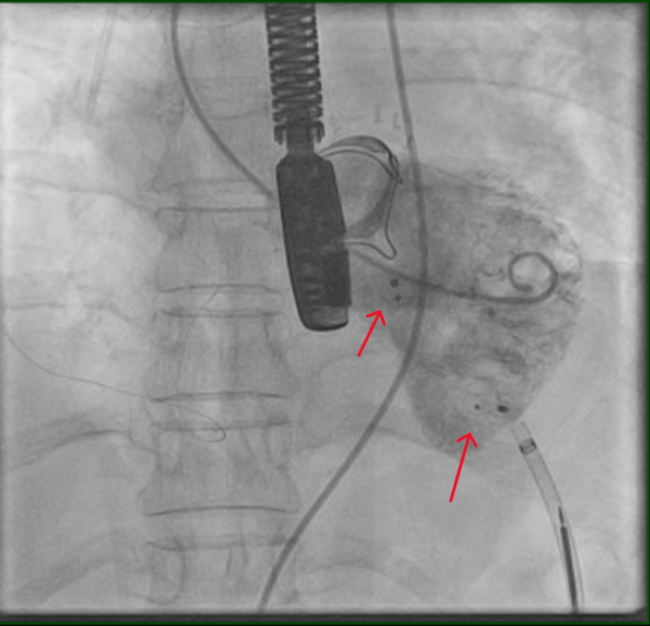
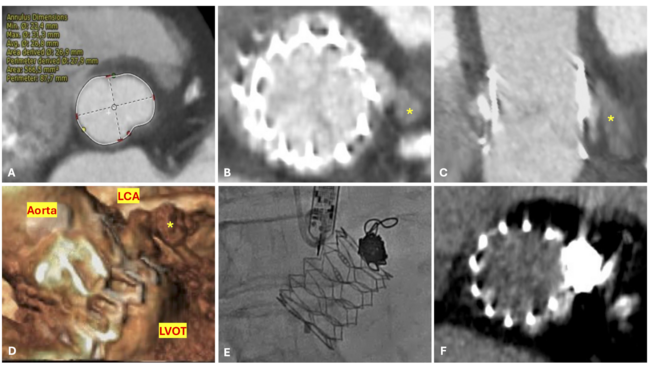
Abstract: Transcatheter aortic valve implantation (TAVI) is associated with a risk of coronary obstruction. This complication is potentially lethal when the origin of the coronary arteries is anomalous. We describe two cases of TAVI with the...
Abstract: Transcatheter aortic...
06/29/2012
Journal of Invasive Cardiology
Original Contribution
06/29/2012
Alejandro Velasco, MD; Chikako Ono, MD; Kenneth Nugent, MD; Patrick Tarwater, PhD; Ashwani Kumar, MD
Abstract: Background. Radial access is the preferred route for cardiac catheterization; however, small radial arterial diameters can make complex procedures difficult. The assessment of radial artery diameters prior to intervention may be...
Abstract: Background. Radial...
06/29/2012
Journal of Invasive Cardiology
Original Contribution
06/29/2012
Hafeez Ahmed, MD, MBBS; Sajid Dhakam, MD; Asif Jafferani, MBBS; Ambreen Gowani, BScN; Nasir Rahman, MBBS, FCPS, MD
Abstract: Background. The advent of drug-eluting balloons (DEBs) is a promising development for coronary revascularization procedures, especially for in-stent restenosis (ISR). This study aims to highlight our experience with DEBs in the...
Abstract: Background. The advent...
06/29/2012
Journal of Invasive Cardiology
Original Contribution
06/29/2012
Dale R. Tavris, MD, MPH; Beverly Albrecht-Gallauresi, RN, MPH; Yongfei Wang, MS; John C. Messenger, MD, FACC, FSCAI; Samantha Jacobs, BS; Jeptha Curtis, MD; Susan Fitzgerald, MS, RN; Frederic S. Resnic, MD, MSc
Abstract: Background. Previous research found at least one vascular closure device (VCD) to be associated with excess vascular complications, compared to manual compression (MC) controls, following cardiac catheterization. Since that time,...
Abstract: Background. Previous...
06/29/2012
Journal of Invasive Cardiology
Original Contribution
06/29/2012
Dariusz Dudek, MD, PhD, FESC; Tomasz Rakowski, MD, PhD; C. Michael Gibson, MS, MD; Gioel Gabrio Secco, MD; Donald E. Cutlip, MD; Uwe Zeymer, MD; Mauro Maioli, MD; Arnoud W.J. van't Hof, MD, PhD; Francesco Bellandi, MD; Marko Noc, MD; Simona Zorman, MD; Ayse Emre, MD; Henrique Mesquita Gabriel, MD; Maryann Gyongyosi, MD; Kurt Huber, MD; Giuseppe De Luca, MD
Abstract: Background. Despite optimal epicardial recanalization, primary angioplasty for ST-elevation myocardial infarction (STEMI) is still associated with suboptimal reperfusion in a relatively large proportion of patients. The aim of the...
Abstract: Background. Despite...
06/29/2012
Journal of Invasive Cardiology
Original Contribution
06/29/2012
Antonio de Miguel, MD; Jose M. Ajenjo, DVM; Beatriz Martinez-Fernandez, DVM; Jose R. Altonaga, DVM, PhD; Felipe Fernandez-Vazquez, MD, PhD; Carlos Cuellas, MD; Armando Perez de Prado, MD; Alejandro Diego, MD; Jose M. Gonzalo-Orden, DVM, PhD; Claudia Perez-Martinez, DVM, PhD; Marta Regueiro, DVM, PhD
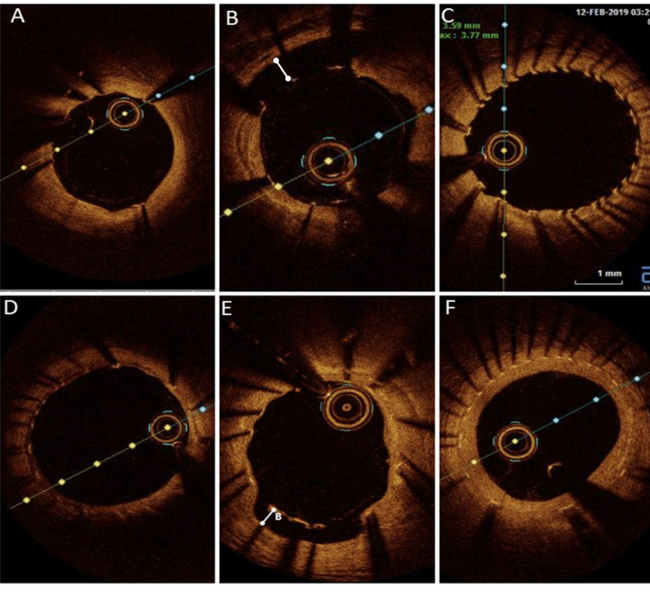
Abstract: Background and Objectives. Incomplete re-endothelialization of stents can be revealed as paradoxical vasoconstriction with endothelium-dependent vasodilators. As no consensus exists about the best method or agent, our objective is...
Abstract: Background and...
06/29/2012
Journal of Invasive Cardiology
Original Contribution
06/29/2012
Imad Sheiban, MD; Si-Hyuck Kang, MD; Ehtisham Mahmud, MD; Gregg W. Stone, MD, FACC, FSCAI; Khalid Bin Thani, MD; Hyo-Soo Kim, MD, PhD; Michael S. Lee, MD, DPM, FACFAS, FACC, FSCAI; Jang-Hyun Cho, MD; Dong-Kyu Jin, MD; Kyle Gillis, BS ; Hyeon-Cheol Gwon, MD; In-Ho Chae, MD; Richard K. Cheng, MD, MS; Joseph Aragon, MD
Abstract: Objective. The aim of this study was to assess the clinical outcomes of percutaneous coronary intervention (PCI) with everolimus-eluting stents (EES) for the treatment of unprotected left main coronary artery (ULMCA) disease....
Abstract: Objective. The aim of...
06/29/2012
Journal of Invasive Cardiology
Original Contribution
06/29/2012
Judah Rauch, MD; Iryna Lobach, PhD; Bora Toklu, MD; Jeffrey D. Lorin, MD; Steven P. Sedlis, MD; Louis H. Miller
Abstract: Background. Randomized trials using measurement of fractional flow reserve (FFR) to guide percutaneous coronary intervention (PCI) have demonstrated both safety and efficacy with regard to cardiac events. Real-world, long-term...
Abstract: Background. Randomized...
06/29/2012
Journal of Invasive Cardiology