Clinical Implications of the FDA’s Capecitabine Boxed Warning: Integrating DPYD Testing into Oncology Practice: Part 2
Key Clinical Summary
- Expansion of DPYD testing beyond capecitabine is likely, as fluorouracil carries similar risks for patients with DPD deficiency; many centers are already proactively implementing protocols based on pharmacology, toxicity reports, and Clinical Pharmacogenetics Implementation Consortium (CPIC) guidance.
- Pharmacogenomics is becoming integral across the cancer care continuum, informing treatment selection, dosing, side-effect management, and survivorship planning as more tumor and germline tests enter routine practice.
- Embedding pharmacogenomics (PGx) into clinical decision support enables proactive safety, helping clinicians identify at-risk patients early, prevent avoidable toxicities, and meet evolving regulatory and guideline-driven compliance requirements.
In Part 2 of our discussion with Houda Hachad, PharmD, vice president of clinical operations at Aranscia, we explore the broader implications of the US Food and Drug Administration’s (FDA) capecitabine boxed warning and the expanding role of pharmacogenomics in oncology. Dr Hachad discusses the potential extension of mandatory DPYD testing to other fluoropyrimidines, the growing importance of germline and tumor genetic testing, and how pharmacogenomics can support safer, more proactive cancer care across the entire treatment continuum.
Please introduce yourself by stating your name, title, organization, and relevant professional experience.
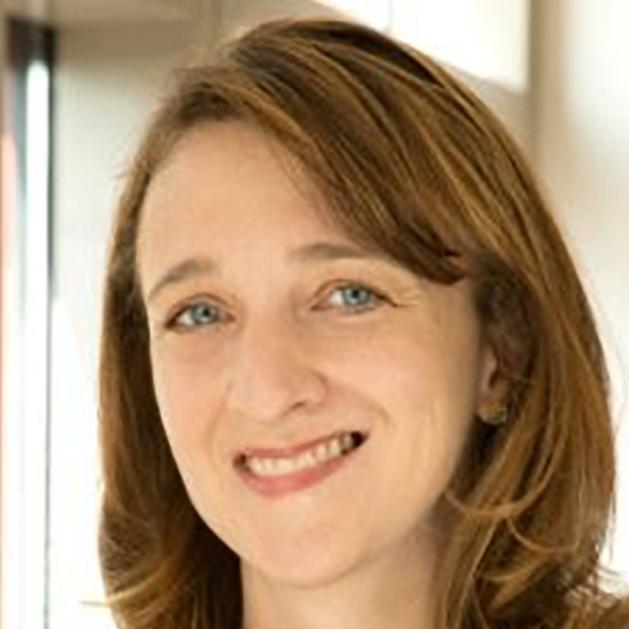
Houda Hachad, PharmD: My name is Houda Hachad. I am a PharmD by training and a clinical pharmacologist. I am the vice president of clinical operations at Aranscia, and I lead initiatives to expand our turnkey precision medicine solutions. My work focuses on aligning genomic testing with clinical decision support and workflow optimization across different constituents within the precision medicine ecosystem, namely health systems, payer networks, etc.
Given that fluorouracil (5-FU) also carries risks for patients with DPD deficiency, do you foresee the FDA expanding mandatory DPYD testing to include other fluoropyrimidine-based therapies—and how should oncologists prepare for that possibility?
Dr Hachad: Some implementers who adopted preemptive DPYD testing didn’t do it just for capecitabine—they already implemented protocols for both 5-FU and capecitabine. Based on feedback from implementers and recent FDA movement, we foresee updates coming to the fluorouracil labels.
Changing label language takes time, but many centers won’t wait. Given the pharmacology, known toxicities, and existing CPIC guidelines for both drugs, organizations may proactively implement these protocols to increase safety. Reports of extreme toxicities and hospitalizations will likely speed up this process.
The FDA’s move reflects a larger trend toward pharmacogenomic-guided oncology. How do you envision the role of genetic testing evolving in cancer care over the next few years, and what will be required—from technology, education, and policy standpoints—to make precision dosing the norm rather than the exception?
Dr Hachad: Oncology is uniquely positioned because genetic tests are often ordered as part of establishing a diagnosis. Many medications—including targeted therapies and immunotherapies—require tumor or germline genetic testing. The DPYD update positions safety-focused genetic testing not only to identify the right treatment but to ensure treatment safety.
More safety- and efficacy-related tests will be incorporated into treatment protocols. Cancer patients also take many supportive medications—nausea, pain, depression, etc—and pharmacogenetic testing can improve safety and outcomes throughout the care continuum.
Pharmacogenetics becomes a safety thread, from diagnosis to dosing and escalation, through side-effect management, and into survivorship. Given improving cancer survival rates, survivorship programs that emphasize chronic care safety offer major opportunities to use pharmacogenomics, helping oncology centers build precision survivorship protocols. DPYD can be the anchor to introduce other pharmacogenes.
I foresee oncology going beyond tumor genome characterization to include comprehensive germline genomic characterization for many patients. A pharmacogenomic program becomes a safety tool for every cancer patient.
Any final thoughts you’d like to share?
Dr Hachad: We need to see the integration of pharmacogenomics within clinical decision support as amplifiers. Access to the test is extremely important, but to amplify uptake, we need a deep understanding of patient needs and the ability to identify candidates early.
This shifts us from being reactive to proactive. Offering these tests gives us countless opportunities to prevent harm, which is what DPYD safety is about. It protects patients, protects institutions from negative outcomes and litigation, and helps meet compliance imperatives from National Comprehensive Cancer Network (NCCN) and the FDA.
We’re not just predicting risks. Precision oncology through PGx and other tests engineers safety for every prescription, every patient, every time throughout their cancer care journey.