Progression-Free Survival in NSCLC: Clinical Utility, Limitations, and Evolving Standards
Rajat Thawani, MD, shares key insights on balancing progression-free and overall survival, the expanding role of biomarker testing, and the promise of multi-omic data integration in reshaping non–small cell lung cancer (NSCLC) treatment (Figure). The following is an edited excerpt from the interview for clarity and brevity.
Rajat Thawani, MD: I am an assistant professor and a thoracic and phase 1 oncologist at the Knight Cancer Institute at Oregon Health and Science University.
Is progression-free survival (PFS) a sufficient surrogate for overall survival (OS) in the context of modern non-small cell lung cancer (NSCLC) treatment landscapes? Why or why not?
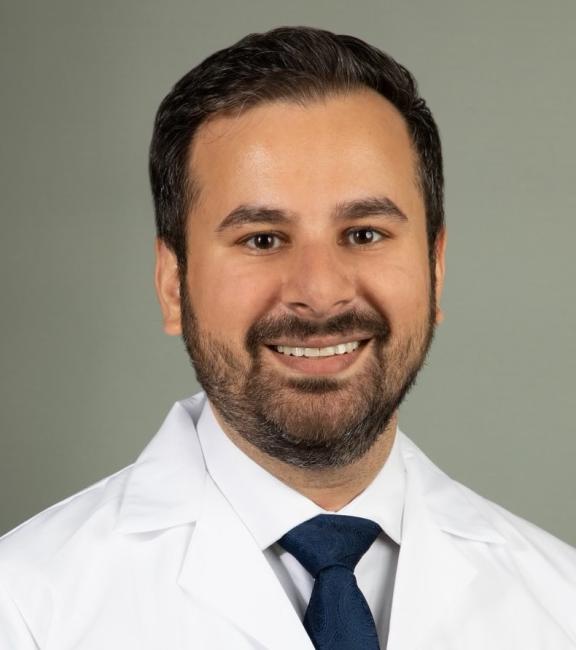
Dr Thawani: In many ways, we use PFS as a surrogate for survival in NSCLC. However, in general, the gold standard should always be OS. Even if they’re using PFS as a surrogate endpoint and the drugs get a US Food and Drug Administration (FDA) approval, it’s still appropriate to discuss the differences between PFS and OS with patients.
It’s even more relevant once a patient has progressed. A significant percentage of patients do not see the next line in therapy. PFS still holds a valuable role in treatment decisions there, especially in targeted therapies, where we have to rely on PFS a lot more because patients live longer.
When discussing new treatment options with patients, how do you explain the difference between PFS and OS in a way that resonates with their goals and concerns?
Dr Thawani: We discuss PFS and OS, but those terms don’t mean anything to the patients unless you explain it. I often tell patients that PFS would slow down or silence the cancer for a long time, even if it doesn’t necessarily mean that they live longer. Cancers might shrink first but may not really improve how long patients live overall.
We discuss that the goal is to select the treatment based on what their wishes are—what they want to do. Do they want to keep the disease controlled? Do they want to minimize side effects or focus on time?
Watch the full interview here.
Clinical Pathway Category: Treatment
This interview highlights the evolving treatment strategies in non–small cell lung cancer (NSCLC) by emphasizing the balance between progression-free and overall survival and the expanding scope of biomarker testing to guide individualized care. By aligning with evidence-based standards such as comprehensive genomic profiling and timely biomarker-driven decision-making, these insights advance the objectives of clinical pathways by improving precision and reducing delays in therapy selection.