


Early vs Delayed Extubation Yields Similar Stroke Recovery
Key Clinical Summary
- Early extubation (<6 hours) after thrombectomy did not improve 90-day functional independence compared with delayed extubation (6–12 hours).
- No significant differences were observed in modified Rankin Scale (mRS) scores, hospital length of stay, or mortality between groups.
- Pneumonia rates were numerically lower with early extubation, but differences were not statistically significant.
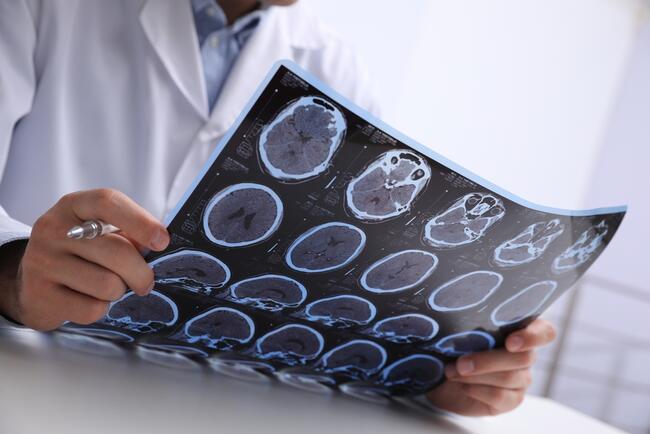
A randomized clinical trial published in JAMA Neurology evaluated whether early extubation after endovascular thrombectomy improves outcomes in patients with acute ischemic stroke. The study found no significant difference in functional recovery at 90 days between early and delayed extubation strategies.
Study Findings
The single-center randomized EDESTROKE trial conducted in Spain enrolled 174 adult patients with acute ischemic stroke due to anterior circulation large-vessel occlusion who underwent successful thrombectomy under general anesthesia. Participants were randomized 1:1 to either early extubation (<6 hours) or delayed extubation (6–12 hours).
The primary outcome was functional independence at 90 days, defined as a modified Rankin Scale (mRS) score of 0–2. Functional independence occurred in 47.7% of patients in the early extubation group (41 of 86) and 45.9% in the delayed group (39 of 85), yielding a risk ratio (RR) of 1.04 (95% CI, 0.76–1.43). Ordinal analysis of mRS scores showed no significant difference (generalized odds ratio, 0.93; 95% CI, 0.66–1.31).
Secondary outcomes were similarly comparable. Median hospital length of stay was 6 days in both groups. Pneumonia occurred in 21.8% of patients in the early group versus 29.9% in the delayed group (RR, 0.73; 95% CI, 0.44–1.22). Reintubation rates were 4.6% and 2.3%, respectively (RR, 2.00; 95% CI, 0.37–10.9). At 90 days, mortality was nearly identical: 23.3% in the early group and 22.4% in the delayed group (RR, 1.04; 95% CI, 0.60–1.81).
Clinical Implications
These findings suggest that extubation timing within the first 12 hours after thrombectomy may not significantly influence functional recovery or survival in patients with acute ischemic stroke. For clinicians, this provides flexibility in post-procedural airway management, allowing decisions to be individualized based on patient stability, neurological status, and institutional protocols.
Given similar reintubation rates and hospital stays, clinicians may prioritize clinical judgment over rigid timing thresholds. The findings also reinforce the importance of optimizing overall stroke care pathways, including rapid reperfusion and comprehensive post-procedural monitoring.
Although early extubation did not confer a statistically significant benefit, the numerically lower pneumonia rate may warrant further investigation, particularly in larger or multicenter trials.
Expert Commentary
“These findings suggest that, within the first 12 hours after the procedure, extubation timing does not appear to be a major determinant of functional recovery,” wrote Manuel Taboada, PhD, Department of Anesthesiology, University Clinical Hospital of Santiago, Spain, and study coauthors.
“In line with established principles of airway management, extubation decisions should therefore prioritize patient readiness and clinical stability rather than rigid time-based targets,” they concluded.
Reference
Taboada M, Estany-Gestal A, Fernández J, et al. Early vs delayed extubation after thrombectomy for acute ischemic stroke: the EDESTROKE randomized clinical trial. JAMA Neurol. Published online March 30, 2026. doi:10.1001/jamaneurol.2026.0475