Single-Device Large-Bore Thrombectomy for Combined Pulmonary Embolism and Iliac Vein Thrombosis Treatment
© 2026 HMP Global. All Rights Reserved.
Any views and opinions expressed are those of the author(s) and/or participants and do not necessarily reflect the views, policy, or position of the Journal of Invasive Cardiology or HMP Global, their employees, and affiliates.
J INVASIVE CARDIOL 2026. doi:10.25270/jic/26.00082. Epub April 9, 2026.
Large-bore aspiration mechanical thrombectomy with the FlowTriever system (Inari Medical) has emerged as an effective and safe catheter-based reperfusion strategy for pulmonary embolism (PE).1 However, data regarding the extended use of the same device for both pulmonary and deep venous thrombectomy during a single procedural session remain limited.
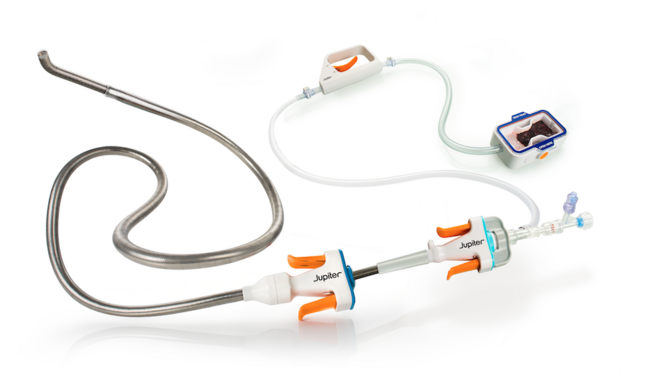
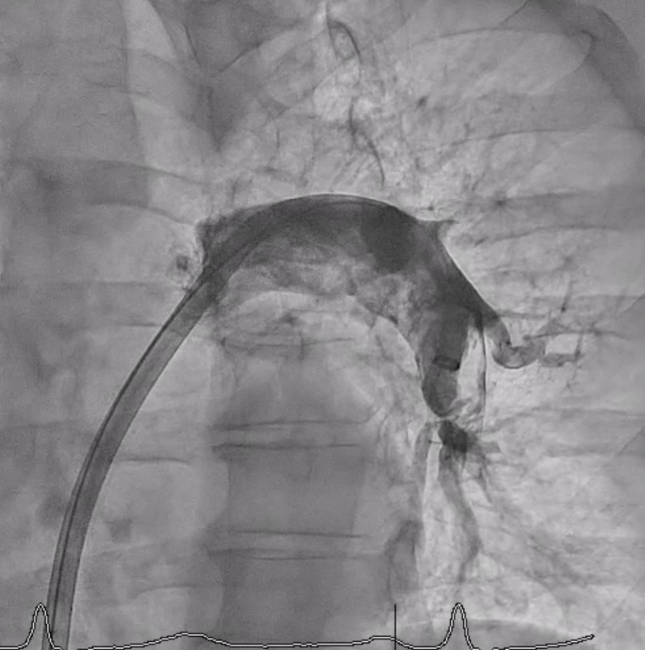
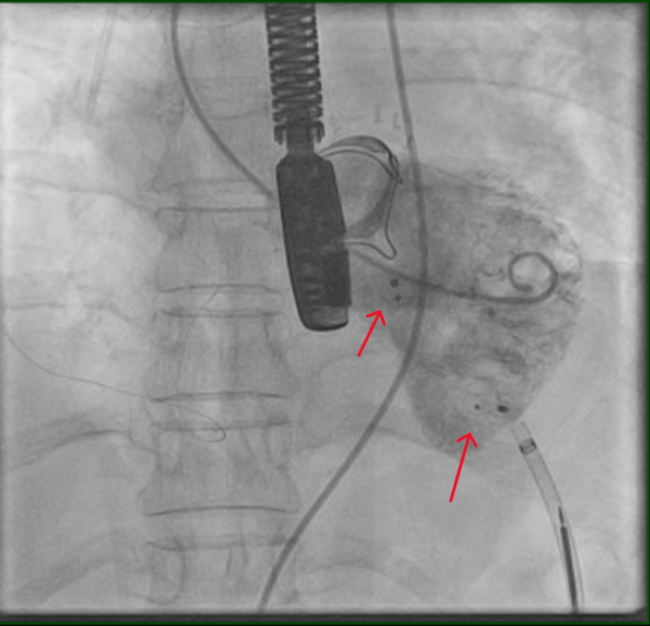
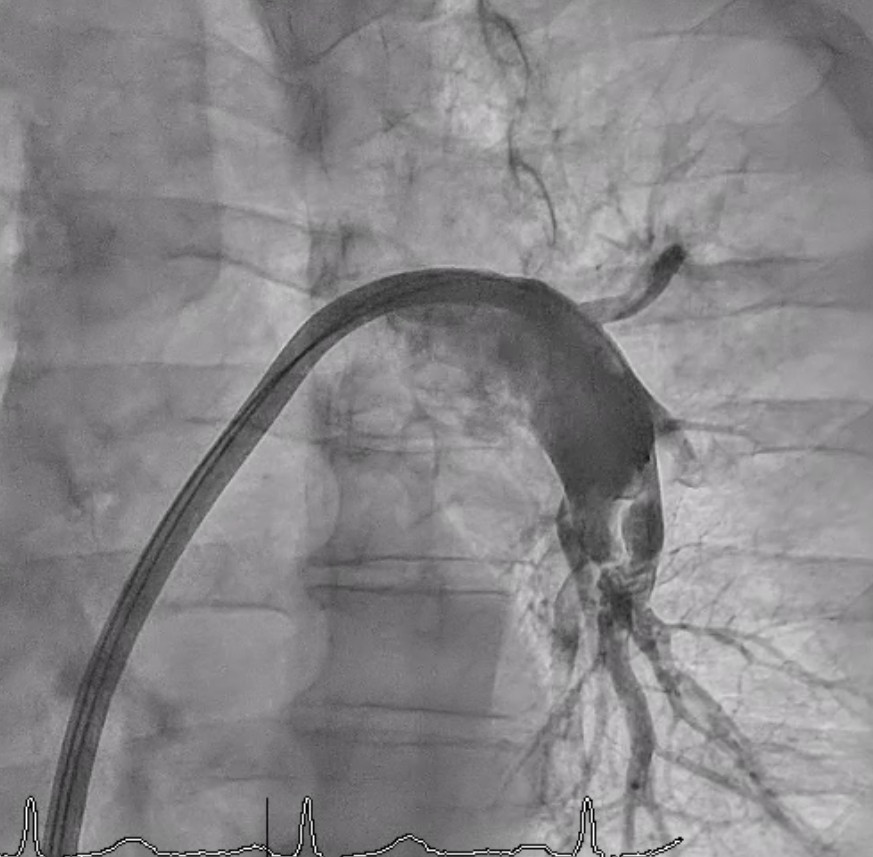
A 41-year-old man presented with dyspnea and elevated troponin levels. Computed tomography pulmonary angiography confirmed PE with obstruction of the left main pulmonary artery (PA) and distal thrombus in the right PA. Despite therapeutic anticoagulation, no clinical improvement was observed after 24 hours. Therefore, mechanical thrombectomy of the left PA was performed using the 24F FlowTriever system, achieving thrombus removal, angiographic reperfusion, and marked clinical improvement (Figures 1 and 2).
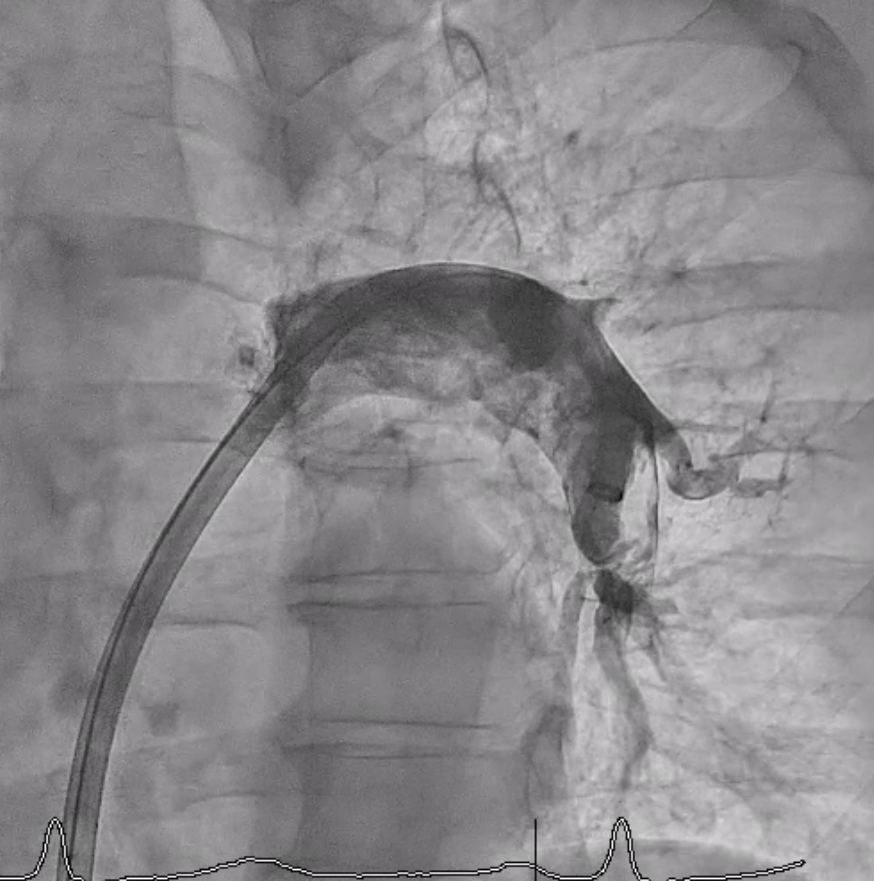
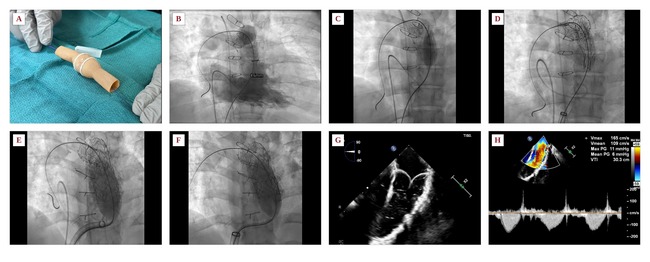
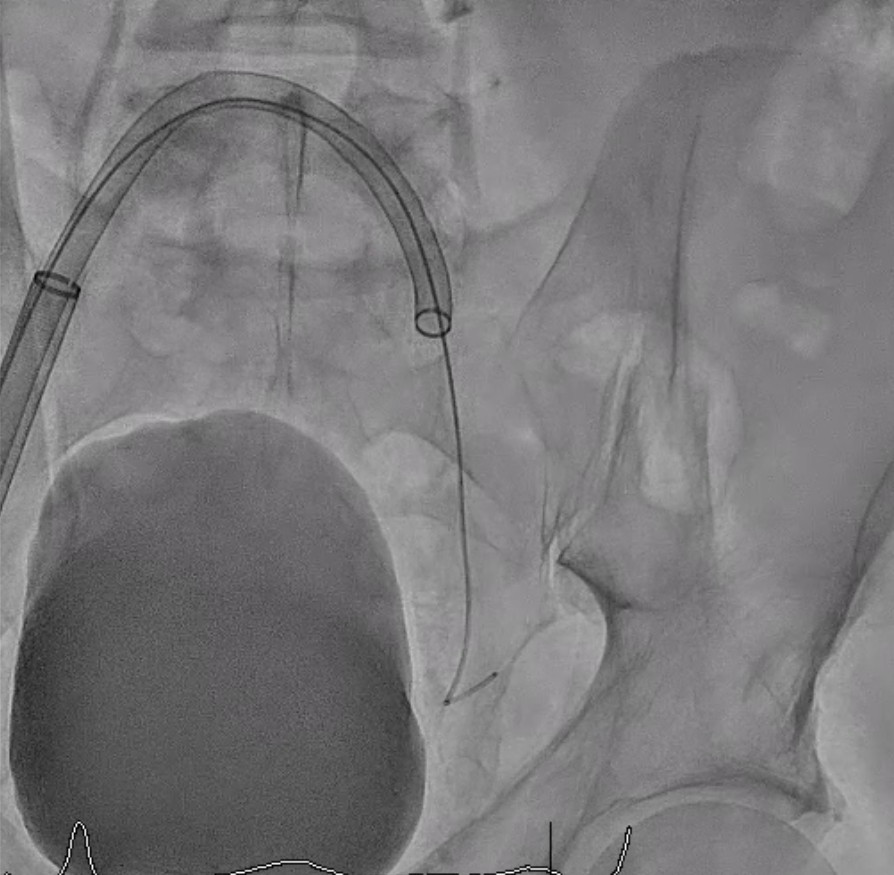
Preprocedural Doppler ultrasound revealed extensive thrombosis of the left common iliac vein extending distally along the iliofemoral axis, confirmed by venography (Video 1). Therefore, during the same session, deep venous thrombectomy was performed using the FlowTriever device. Through the existing 24F sheath, a 20F curved aspiration catheter was advanced with the mother-in-child technique (Figure 3). A single aspiration pass achieved effective thrombus removal and restoration of venous flow (Video 2). No procedural complications occurred.
In conclusion, the use of the FlowTriever system for both pulmonary and deep venous thrombectomy in a single session was feasible and safe, providing immediate hemodynamic improvement while reducing total thrombotic burden and potentially avoiding inferior vena cava filter implantation.
Affiliations and Disclosures
Giulio D’Ascoli, MD¹; Arianna Giannitto Giorgio, MD¹; Fabio Salimei, MD²; Fernando Lozano Ruiz-Poveda, MD, PhD¹
From the ¹Interventional Cardiology Unit, General University Hospital of Ciudad Real, Spain; ²Interventional Radiology Unit of Hospital Castelli Romani, Roma, Italy.
Disclosures: The authors report no financial relationships or conflicts of interest regarding the content herein.
Consent statement: The authors confirm that informed consent was obtained from the patient(s) for the study and/or intervention(s) described in the manuscript and for the publication of their data/thereof, including any and all images.
Address for correspondence: Giulio D’Ascoli, MD, Interventional Cardiology Unit, General University Hospital of Ciudad Real, Spain. Email: giulio90dascoli@gmail.com
References
1. Toma C, Jaber WA, Weinberg MD, et al. Acute outcomes for the full US cohort of the FLASH mechanical thrombectomy registry in pulmonary embolism. EuroIntervention. 2023;18(14):1201-1212. doi:10.4244/EIJ-D-22-00732