Advancing Equity in Endometrial Cancer Trials: Strategies to Expand Access and Enrollment
In this interview, Anna Jo Smith, MD, MPH, University of Pennsylvania, discusses findings from a recent American Journal of Obstetrics & Gynecology study titled “Disparities in clinical drug trial participation in endometrial cancer: a real-world analysis” examining demographic and geographic variations in uterine cancer clinical trial participation. Dr Smith explores actionable strategies to bridge equity gaps in enrollment, including clinician-led trial discussions, community-academic partnerships, and inclusive trial design frameworks that better reflect the patient populations most in need of innovative therapies.
Please introduce yourself by stating your name, title, organization, and relevant professional experience.
Anna Jo Smith, MD, MPH: My name is Anna Jo Smith. I am a practicing gynecologic oncologist and an assistant professor at the University of Pennsylvania.
Given the significantly lower trial participation among Black patients with high-risk histologies, how do you interpret the barriers—structural, systemic, or clinical—that are preventing equitable enrollment?
Dr Smith: We know that diverse patient populations will enroll in trials when their clinician offers a clinical trial. Clinical trials are especially important for patients with high-risk histologies to improve survival. So, the goal is to get every patient aware of and able to access clinical trials. That means building partnerships between community practices and academic centers, clinical trial networks with hub and spoke models, and time for clinicians to discuss clinical trials wherever patients are getting care. 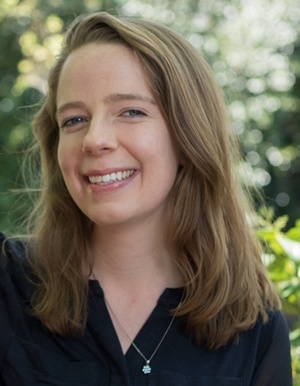
In what ways can oncology care teams within community or academic settings adjust their clinical pathways to actively identify and refer more diverse patients to ongoing trials?
Dr Smith: Oncologists can discuss clinical trials for all patients with cancer at least once during their cancer journey. When oncologists discuss clinical trials, it increases patients' interest and enrollment in them across diverse patient groups.
As a practicing oncologist, I have made it a habit to bring all patients with recurrence to tumor boards for trial consideration. This means everyone gets considered for a trial and minimizes my potential bias in referral. I have been pleasantly surprised how many more patients have enrolled in research with this universal screening approach.
The study noted higher trial participation among patients from the Southeast. What factors do you think may contribute to this geographic variation, and could they be replicated in regions with lower enrollment?
Dr Smith: We were not able to drill down reasons for geographic variation, but I applaud the Southeast for having higher clinical drug trial enrollment in uterine cancer. There are a number of clinical trial networks in the Southeast that always recruit well to trials, so it is worth exploring how they address barriers to enrollment.
How can risk stratification tools and treatment planning within electronic health record (EHR) systems be optimized to flag trial eligibility, particularly for minority patients with aggressive disease subtypes?
Dr Smith: We would love to identify eligible patients and nudge clinicians for trial referral within the EHR. At almost every practice, chemotherapy is entered as EHR orders, so a flag for clinical trial consideration when docs order chemotherapy could be one nudge.
What role should sponsors, trial designers, and institutions play in restructuring trial protocols or outreach strategies to ensure they are not only accessible but also culturally and logistically aligned with diverse patient populations?
Dr Smith: Trials should be designed to be as inclusive as possible and remove barriers to enrollment. This has been a major initiative of the American Society of Clinical Oncology (ASCO) and NRG Oncology, and I am excited to see more trials with broader inclusion criteria that will allow more diverse patient populations to enroll. For example, the expansion of Eastern Cooperative Oncology Group (ECOG) status to 0-2 and removal of strict limitations on cardiac disease will facilitate broader and more representative clinical trial enrollment.
I would encourage funders to think about what supports are needed to make trials accessible to everyone. What time and costs are patients bearing to enroll in trials that you can help with? Can you provide transport? Should you have more care delivered locally or by telemedicine?