Advancing Biomarker Validation and Emerging Treatments in Metastatic Breast Cancer
In this interview, Cynthia X. Ma, MD, PhD, Washington University School of Medicine, discusses challenges in biomarker validation, the role of combination therapies, promising novel agents, and the integration of emerging treatments for metastatic breast cancer.
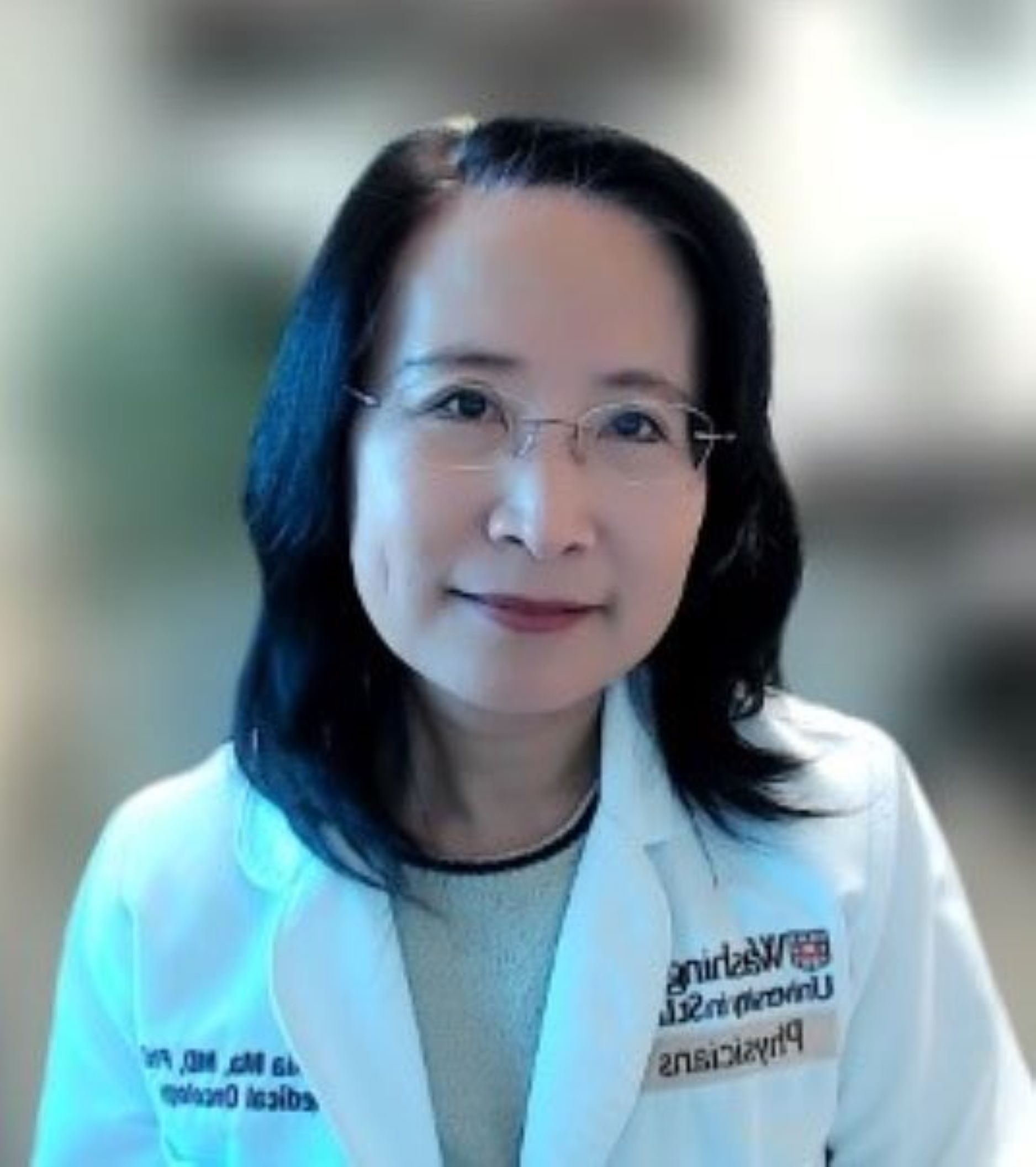 Please introduce yourself by stating your name, title, and any relevant clinical experience you'd like to share.
Cynthia X. Ma, MD, PhD: Cynthia X. Ma, MD, PhD, professor of medicine, division of oncology, section of breast oncology, at Washington University School of Medicine, in St. Louis, Missouri. I am a physician scientist with a research focus on pre-clinical and early phase clinical investigations in developing molecular therapeutics for breast cancer through collaborative research.
What are the biggest challenges in identifying and validating biomarkers for metastatic breast cancer?
Dr Ma: The biggest challenges in identifying and validating biomarkers for metastatic breast cancer include:
- Ensuring sample availability and maintaining high sample quality
- Access to well-annotated clinical data
- Developing assays that are validated, reproducible, and standardized
- Addressing tumor evolution, particularly under the selective pressure of ongoing treatments
What role do combination therapies play in addressing resistance mechanisms in metastatic breast cancer?
Dr Ma: Combination therapies play a critical role in addressing resistance mechanisms in metastatic breast cancer. Combination therapies that are designed to target multiple pathways, such as adaptive resistance mechanisms, can achieve enhanced cancer control through synergistic antitumor effect.
What novel therapeutic agents or strategies are currently showing promise in the treatment of metastatic breast cancer?
Dr Ma: Several therapeutic strategies have shown promise in treating metastatic breast cancer. Among others, these strategies include:
- Antibody drug conjugates, which deliver cytotoxic agents directly to tumor cells.
- Bispecific antibodies that engage the immune system to target cancer cells.
- Selective cyclin-dependent kinase 4 (CDK4) inhibitors, which inhibit clinical pathways in cell cycle regulation.
- Mutation-selective inhibitors of PI3K and AKT, targeting key drivers of cancer growth.
How do you approach integrating emerging therapies into the standard of care, particularly when data on long-term outcomes is limited?
Dr Ma: Integrating emerging therapies into the standard of care involves a thorough review of the available evidence. This process requires weighing the potential benefits of new treatment against its side effects and comparing it with existing standard-of-care options. It is also important to critically review the available data that supports the use of these agents in addition to the setting where these agents have been tested.
What research areas in metastatic breast cancer are you most excited about currently, and why?
Dr Ma: I am particularly excited about research focused on understanding mechanisms of resistance to immunotherapy and targeted therapies. Understanding these mechanisms is critical for designing successful treatment strategies to overcome resistance and improve treatment outcomes. This area of research has the potential to significantly reduce breast cancer mortality.
© 2025 HMP Global. All Rights Reserved.
Any views and opinions expressed are those of the author(s) and/or participants and do not necessarily reflect the views, policy, or position of the Journal of Clinical Pathways or HMP Global, their employees, and affiliates.