Examining International Use of Cases of Continuous Topical Oxygen Therapy
Transcript
Hi, I'm Dr. Windy Cole. I'm the Director of Wound Care Research at Kent State University, College of Podiatric Medicine.
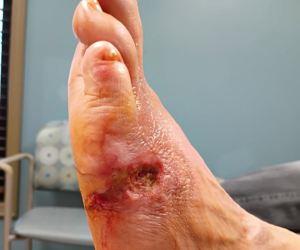
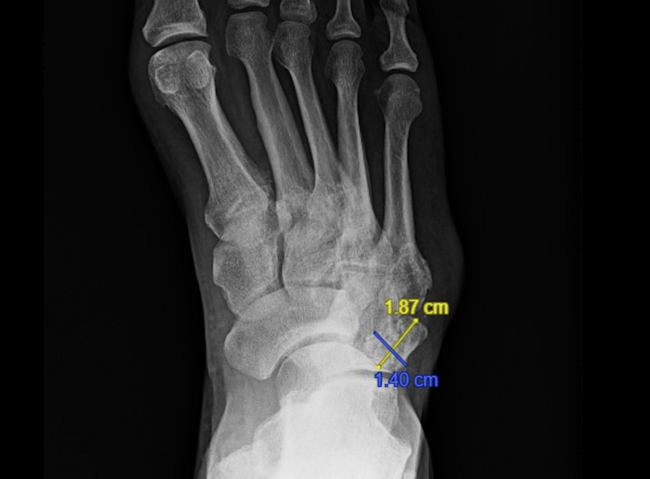
And at SAWC Fall 2025, I have a poster that examines the use of continuous topical oxygen therapy over a diverse patient population and a variety of wound types. It's actually international use cases. We tend to focus in wound care research on diabetic foot ulcers and venous leg ulcers, but if you look at the published literature, actually most wounds fall outside of these two wound etiologies. So it's really important to understand how advanced therapies can help with these outside DFU, VLU wounds, these other wound ideologies.
So in this particular poster, we focused on several different wound types, surgical wound dehiscences, osteoradionecrosis injuries, atypical wound ideologies, including calciphylaxis, and burn injuries to see how continuous topical oxygen therapy could support wound healing. We know that most chronic or hard to heal wounds have hypoxia in the wound tissue. And by using supplemental oxygen via topical oxygen therapy, we can reverse some of the bad processes that are occurring, causing those wounds to all. We can support the body's immune system by applying oxygen that supports the neutrophils and macrophages to kill bacteria and phagocytize bacteria to decrease wound contamination. Oxygen is necessary for keratinocytes and fibroblasts to come into the wound area and then also replicate. Those fibroblasts are the little worker bees. They lay down the collagen, so they need oxygen to do that. And then also the triple helix bonds of the collagen are oxygen dependent. And new blood vessel formation or neovascularization is very oxygen dependent too.
So we know that some of these bad processes that are occurring and hard to heal wounds that are stalling, that wound healing trajectory can be reversed with topical oxygen, and we're proving that through diverse patient case studies.