Identifying Systemic Barriers to Clinical Trial Completion in Head and Neck Cancer
Key Clinical Summary:
- Design/Population: A retrospective analysis of ClinicalTrials.gov data was conducted to evaluate 346 interventional clinical trials in head and neck squamous cell carcinoma (HNSCC) to identify rates, reasons, and predictors of early trial termination, comparing trials that completed versus those that were terminated or withdrawn.
- Key Outcomes: Early termination was common, with reasons varying by intervention type and sponsor. Industry- and government-funded trials most frequently ended due to strategic (non-scientific) decisions, particularly for immunotherapy and targeted therapy trials, whereas academic trials more often failed due to poor recruitment. Protective factors against early termination included non-governmental funding, drug/device/radiotherapy/biologic interventions, and certain trial design characteristics.
- Clinical Relevance: Early termination represents a substantial loss of resources and patient opportunity in HNSCC research. These findings highlight the need for improved trial design, realistic recruitment strategies, adaptive methodologies, and broader access, to enhance trial completion and accelerate therapeutic progress in head and neck cancer.
Janice J Huang, University of Miami Miller School of Medicine, Miami, Florida, and Alex Reznik, University of Miami Miller School of Medicine, Miami, Florida, presented results from a case-control study analyzing why a substantial proportion of clinical trials in head and neck squamous cell carcinoma (HNSCC) terminate early with data from 346 interventional trials registered on ClinicalTrials.gov.
They found that non-scientific, strategic decisions, particularly in industry- and government-sponsored immunotherapy and targeted therapy trials, were a leading cause of termination, while academic trials more often failed due to recruitment challenges.
They concluded, “We're hoping to also raise awareness for access to clinical trials and some more newer adaptive clinical trial designs that will allow more patients who have access to this more cutting edge or newer treatments through participation in clinical trials.”
Transcript:
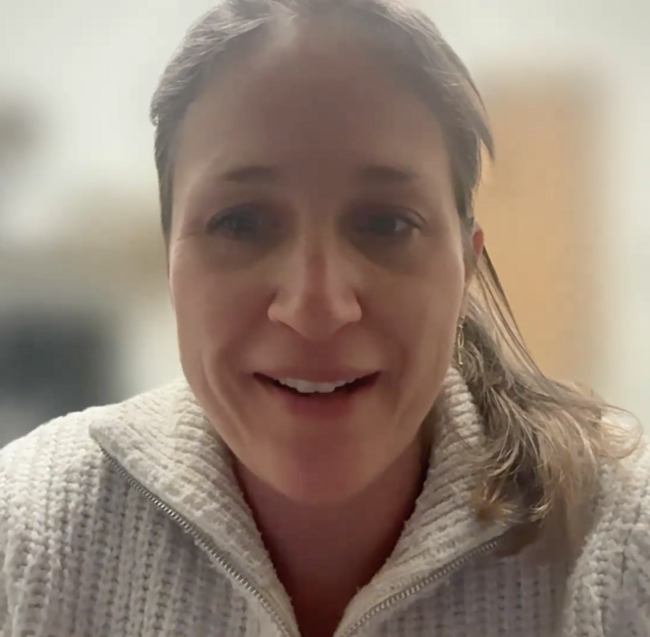
Janice: Hi, my name's Janice and I'm a third year MD/PhD student at University of Miami MSTP program. I'm currently working on CAR-T research in Dr. Damian Green's lab.
Alex: My name is Alex Reznik. I'm also an MD/PhD student at the University of Miami Miller School of Medicine in the Medical Scientist Training Program.
Janice: Today we would like to share a recent study that we published in JAMA Otolaryngology. In this study, the background is looking to clinical trial activity for head and neck cancer. Head and neck cancer is one of the most prevalent cancers in the United States. It's the seventh leading cancer. There's very robust clinical trials activity. However, there's a large portion of these clinical trials and in early termination, which means they're either terminated or withdrawn.
Some of these trials are related to efficacy or safety, but also there's a significant portion of that that's non-scientific reason related. Our goal is to understand why surgeon trials don't reach the primary point or even the finish line. We conducted this study, we use the Clinicaltrials.gov data to see the characteristics or comparison between those that can reach the finish line and those that end prematurely. Alex can share more details on our method.
Alex: What we really set out to do was to profile the different reasons for trial termination for the head and neck cancer indication, specifically for head and neck squamous cell carcinoma. What we did is that we searched the clinical trials registry and identified 346 head and squamous cell carcinoma clinical trials that were interventional. These range from trials for immunotherapy, chemotherapy, targeted intervention, supportive care, and other intervention subtypes that we also profiled. What we were interested in was how did different characteristics—such as the sponsor, whether it was academic, industry, government, private, as well as the intervention type, whether it was chemotherapy, immunotherapy, biologics, et cetera, as well as other variables such as the number of clinical sites, the location where the trial took place—how did all of these variables add up to influence that risk of early termination where that trial did not reach the finish line?
As a group, we were interested in this question because a significant proportion of these trials end up in termination. That is a real loss for a lot of patients, a lot of physicians, and truly to try to find a cure for head and neck cancer.
In terms of the results, first, we found that the reasons for failure really differed based on the type of trial. For trials that were based on evaluating an immunotherapy or a targeted therapy, we found that strategic decisions were the most common reason for failure that was reported on the registry. These strategic decisions are kind of these market-driven decisions by the sponsor. They're independent from a safety or efficacy or a scientific standpoint.
The drug might have "worked," in quotations, however, it was a strategic business decision to end the trial and termination. The other finding that we had was that industry-funded and government-funded trials failed also for strategic decisions in contrast to academic trials, which more commonly failed due to recruitment.
We also found several protective factors such as non-governmental funding, trial investigating drug, device, radiotherapy, or a biologic. In whole, we found that there were many specific characteristics that could be used to better inform the future of clinical trial design in the head and neck cancer indication. In the future, we think that more robust clinical trials are necessary to really take into account these kind of lessons from the early terminated group.
Janice: In addition to the trial design, there's also more actionable insights that we hope to gain through the studies and talking to different experts in the field. We're very grateful for a very strong mentorship within our team, Dr Franzman, who's a head neck surgeon, Dr Villa, Dr Sonis from oral medicine/ oral oncology.
There are some challenges of hand and neck cancer trials that's unique. For example, oftentimes they will have very restrictive patient selection criteria, and also many of the patients need to be evaluated at the office by a hand neck surgeon. We're hoping to also raise awareness for access to clinical trials and some more newer adaptive clinical trial designs that will allow more patients who have access to this more cutting edge or newer treatments through participation in clinical trials.
Source:
Huang JJ, Reznik AS, Sonis S, Franzmann EJ, Villa A. Clinical Trial Termination or Withdrawal in Head and Neck Squamous Cell Carcinoma. JAMA Otolaryngology–Head & Neck Surgery. Published online January 2, 2026. doi:10.1001/jamaoto.2025.4766