Optimizing Sequencing of CAR T-Cell and Bispecific Therapies to Improve Multiple Myeloma Outcomes
Key Clinical Summary:
- Population and Focus: Joseph Mikhael, MD, discussed optimizing sequencing and safety in the use of antibody–drug conjugates, CAR T-cell therapy, and bispecific antibodies for patients with multiple myeloma.
- Therapy Sequencing: Emphasized the importance of T-cell preservation—using CAR T-cell therapy prior to bispecifics and allowing rest periods between T-cell–engaging therapies to reduce exhaustion and resistance. Suggested that bispecific antibodies may be best applied in finite, intermittent treatment courses rather than continuous use.
- Safety and Supportive Care: Highlighted bridging therapy after T-cell collection as critical to mitigating CAR T–related toxicities, along with infection prophylaxis, IVIG use, and early patient education on recognizing fever and neurologic symptoms. These strategies aim to enhance treatment safety, durability, and long-term outcomes as next-generation immunotherapies evolve.
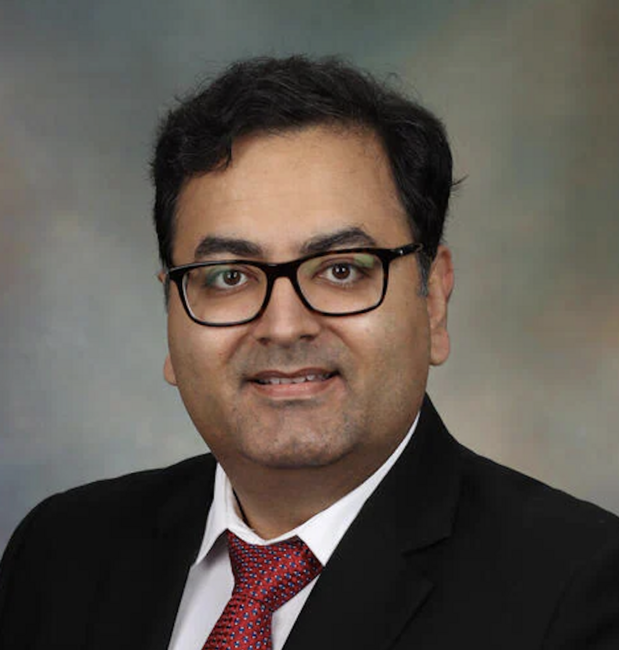
Joseph Mikhael, MD, MEd, FRCPC, FACP, FASCO, International Myeloma Foundation, Scottsdale, Arizona, discussed strategies for sequencing and safely delivering novel immunotherapies for multiple myeloma, including antibody-drug conjugates, CAR T-cell therapy, and bispecific antibodies at the 2025 Lymphoma, Leukemia & Myeloma (LL&M) Congress in New York, New York.
He highlighted safety measures such as appropriate bridging therapy, infection prophylaxis, and patient education to minimize treatment-related toxicities and improve long-term outcomes.
Dr Mikhael concluded, “Looking to the future, we're not only going to use these therapies more effectively and more safely, we're going to even develop the next generation of them that'll allow us to do it even more effectively and more safely.”
Transcript:
Hi, my name is Dr. Joseph Mikhael. I'm a professor at the Translational Genomics Research Institute and the Chief Medical Officer of the International Myeloma Foundation. I have the privilege of being here at LL&M, that we love so much. I have the privilege today of talking about a challenging subject, which is really how do we sequence and how do we safely deliver the new immunotherapies that we have.
When we think of the great immunotherapies we have, antibody drug conjugates, CAR T-cell therapy, bispecific antibodies, all of these therapies, just like every other myeloma therapy, go through a period of time of evolution where we learn how to use them more effectively and more safely. I'm talking about how we do that and what major lessons have we've learned.
The key points that I bring forth today in our lecture is to think a little bit on the sequencing side of the importance of recognizing the biology of myeloma as we care for patients.
That T-cells, although we love to engage them and they work well, they can't be overused. Our T-cells need rest. We need a break between our therapies and we're learning a little bit more about how that break is. Also, in an ideal situation, we would use CAR-T preceding bispecifics so that we engage those T-cells for a while, then naturally give them a rest before we continuously give bispecific antibodies. Lastly, that bispecific antibodies likely are best used when there is a finite period of time of use, that we use them less frequently than we initially did, but then we can potentially stop using them at a period of time, which reduces the risk of resistance.
On the safety side, we've also learned a lot about these therapies. In brief, we've learned about the importance of not overtreating with bispecific antibodies using them less frequently, the critical importance of bridging therapy with CAR T-cell therapy. That's the therapy that we give after we've collected the T-cells, but before we reinfuse them, that period of time is critical. We can actually reduce the risk of short and long-term toxicities by giving effective bridging therapy, which includes the Parkinsonism that we, of course, can be most concerned about.
Then lastly, with respect to safety, that it's really important for us to use all the appropriate preventative mechanisms with prophylaxis with the appropriate use of IVIG, and of course, engaging our patients and their families to know when to reach out, when to report a fever so that we can catch things early on.
Putting this all together, we have unbelievable tools at our fingertips in multiple myeloma with antibody drug conjugates, CAR T-cell therapy, and bispecifics. Looking to the future, we're not only going to use these therapies more effectively and more safely, we're going to even develop the next generation of them that'll allow us to do it even more effectively and more safely.
Source:
Mikhael J. Bridging CAR T-Cell Therapy and Bispecifics: Sequencing and Safety. Presented at Lymphoma, Leukemia & Myeloma Congress; October 14-17, 2025. New York, NY.