Lirafugratinib Demonstrates Efficacy, Safety for Previously Treated Patients With FGFR2 Fusion-Positive Cholangiocarcinoma
Clinical Summary:
- Lirafugratinib demonstrated clinically meaningful antitumor activity in FGFR inhibitor–naive patients with advanced or metastatic FGFR2 fusion– or rearrangement–positive cholangiocarcinoma, achieving a 47% objective response rate with durable responses and a disease control rate exceeding 95%.
- Efficacy outcomes compared favorably with existing targeted options, with median progression-free survival of 11.3 months and median overall survival of 22.8 months, supporting lirafugratinib as a potentially effective later-line targeted therapy in this molecularly defined population.
- The safety profile was manageable and quality of life was preserved, despite frequent dose modifications driven by on-target toxicities such as palmar-plantar erythrodysesthesia and stomatitis, with a low rate of treatment discontinuation.
According to results from the phase 1/2 ReFocus study, lirafugratinib demonstrated promising efficacy and safety among FGFR inhibitor-naive patients with advanced or metastatic cholangiocarcinoma harboring FGFR2 fusions or rearrangements.
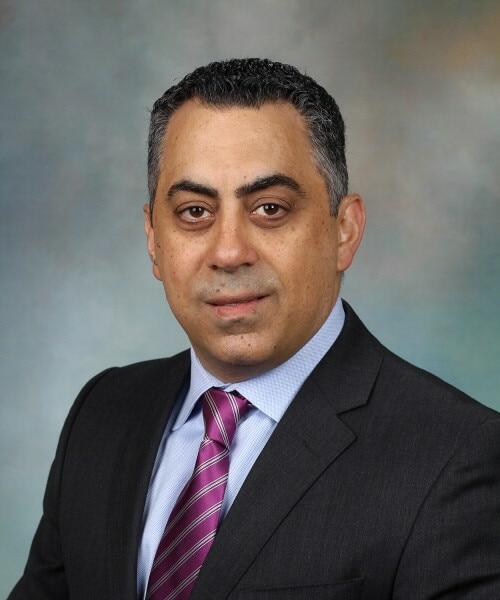
These findings were presented by Antoine Hollebecque, MD, Gustave Roussy Cancer Institute, Villejuif, France, at the 2026 American Society of Clinical Oncology (ASCO) Gastrointestinal Cancers Symposium in San Francisco, California.
In this multicenter, open-label study, 114 FGFR inhibitor-naive patients who had received ≥ 1 prior lines of systemic therapy received 70 mg of lirafugratinib once daily until disease progression or unacceptable toxicity. The primary end point was objective response rate (ORR). Key secondary end points included disease control rate, progression-free survival (PFS), overall survival (OS), and safety.
At analysis, the ORR was 47%. The median duration of response was 11.8 months, with 76.2% of responses lasting longer than 6 months, and the disease control rate was 96.5%. Median PFS was 11.3 months, with a 12-month PFS rate of 49.2%, and median OS was 22.8 months, with a 12-month OS rate of 74.6%. The most common grade ≥ 3 on-target, off-tumor treatment-related adverse events were palmar-plantar erythrodysesthesia (32.8%) and stomatitis (12.1%). Treatment-related adverse events led to dose reductions in 75.9% of patients, dose interruptions in 82.8%, and treatment discontinuation in 4.3%. Quality-of-life measures were maintained.
As Dr Hollebecque concluded, “lirafugratinib demonstrated clinically meaningful antitumor activity with manageable and tolerable safety.”
Source:
Hollebecque A, Borad MJ, Lu P, et al. Efficacy and safety of lirafugratinib in FGFRi-naïve cholangiocarcinoma (CCA) patients harboring FGFR2 fusions/rearrangements (FGFR2 f/r). Presented at ASCO Gastrointestinal Cancers Symposium. January 8 - 12, 2026; San Francisco, California. Abstract 476