Significantly Higher Risk for Cardiac Events Including Death are Faced by Patients with Peripheral Arterial Disease Who Also Have Atrial Fibrillation
Intermountain Health News
SALT LAKE CITY -- Intermountain Health researchers in Salt Lake City recently published a study that finds that patients diagnosed with peripheral arterial disease (PAD) who also have atrial fibrillation (AFib) face a significantly higher risk of major adverse cardiovascular events (MACE).
The Intermountain study analyzed long-term data of Intermountain Health patients with PAD and found that AFib was present in approximately one in four PAD patients, making this combination far more common than previously recognized.
More importantly, Intermountain researchers found the presence of AFib nearly doubles the risk of major adverse cardiovascular events in patients compared to PAD alone.
Study findings were presented on Monday at the American Heart Association Scientific Sessions 2025 in New Orleans.
While treatments for CAD and PAD are similar, including exercising, eating healthy foods, and not smoking or using tobacco, unlike CAD, individuals with PAD have higher risk of heart attacks, strokes, and amputations.
Researchers say the presence of AFib further amplifies risks of events.
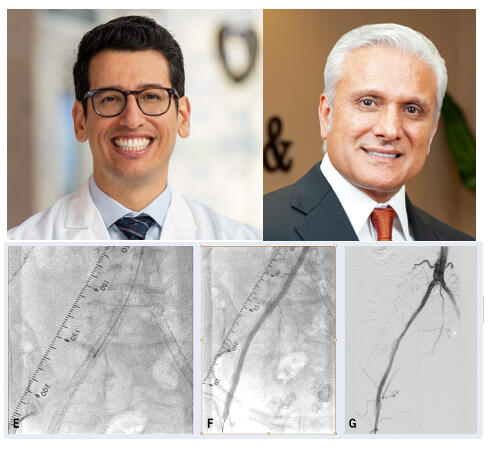
“This is a stark reminder that PAD is not just a limb-threatening disease – it’s a marker of widespread atherosclerosis,” said Viet Le, DMSc, MPAS, PA-C, an advanced practice clinician and cardiovascular researcher at Intermountain Health and principal investigator of the study. “We found that when atrial fibrillation is added to the mix, the risk of heart attack, stroke, and death escalates significantly. Clinicians must screen for AFib in PAD patients and aggressively manage both conditions.”
Key Findings of the study:
- PAD patients without AFib already face a high event rate: 12% experience a major cardiovascular event within the first year, and 25% within three years.
- When AFib is present, MACE occurrences rise dramatically: 25% in the first year and 46% within three years.
- Major adverse cardiovascular events include myocardial infarction (heart attack), stroke, hospitalization for heart failure, unstable angina, or death due to cardiovascular events.
Researchers say the findings underscore the need for better adherence to screening and treatment protocols. Despite existing guidelines, only 35% of PAD patients receive optimal medical therapy, including blood pressure control, statins, aspirin, and smoking cessation support.
"Both conditions derive from plaque build-up in femoral and arterial arteries," said Le. "Atrial fibrillation should be assessed in all peripheral arterial disease patients, and aggressive preventative treatment should be implemented."
For more information about Intermountain Heart and Vascular programs and research, see https://intermountainhealthcare.org/services/heart-vascular-care.
Find More:
Renal Denervation Topic Center
Cardiovascular Ambulatory Surgery Centers (ASCs) Topic Center
Grand Rounds With Morton Kern, MD
Peripheral Artery Disease Topic Center
Go to Cath Lab Digest's Current Issue
Go to the Journal of Invasive Cardiology Issue