Feature
CLD's Top 5 Most Popular Stories of 2025
01/20/2026
© 2026 HMP Global. All Rights Reserved.
Any views and opinions expressed are those of the author(s) and/or participants and do not necessarily reflect the views, policy, or position of Cath Lab Digest or HMP Global, their employees, and affiliates.
Which stories captured the most attention in 2025? Cath Lab Digest looks back at the year’s most popular articles—featuring complex peripheral arterial disease (PAD) interventions, high-risk percutaneous coronary intervention (PCI) decision-making, and real-world challenges faced in today’s cath labs.
- PTAB With the DETOUR™ System: Expanding Treatment Options for Complex PAD Patients
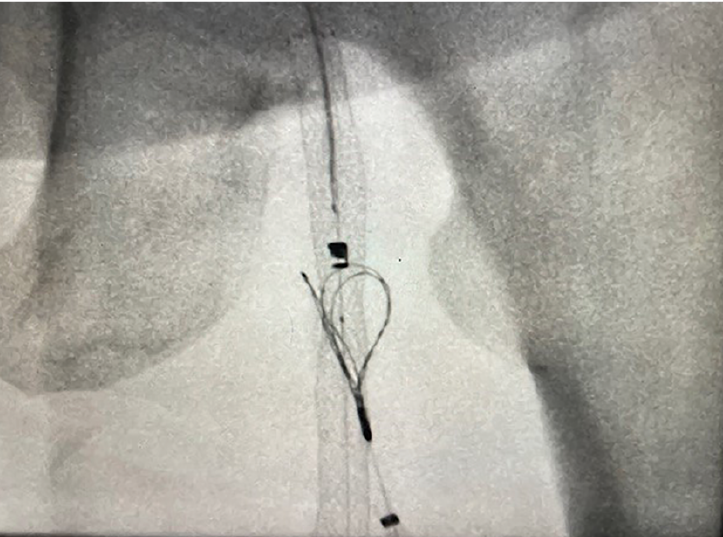
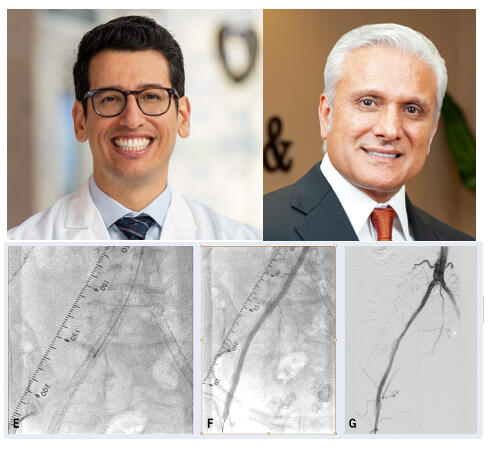
Treating patients with complex peripheral artery disease—especially those with long, heavily calcified superficial femoral artery chronic total occlusions—can be frustrating when traditional endovascular options fail and surgical bypass is high risk or no longer feasible. In this interview, Jaafer A. Golzar, MD, FACC, FSCAI, shares how percutaneous transmural arterial bypass using the DETOUR™ System (Endologix) is changing what’s possible in the cath lab.
- My Last Day in the Cath Lab: A Personal Reflection
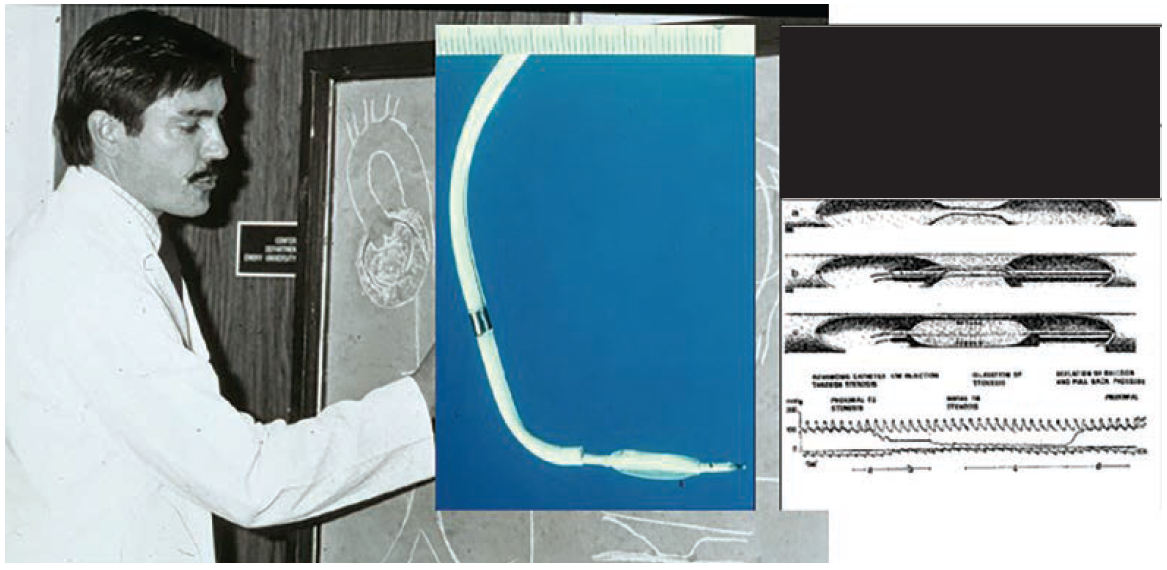
In this heartfelt editorial, longtime interventional cardiologist and clinical editor of Cath Lab Digest, Morton J. Kern, MD, MSCAI, FACC, FAHA, reflects on retiring after more than 40 years in the cath lab—a career that spanned some of the most transformative decades in cardiovascular medicine. While stepping away from daily procedures brings mixed emotions, Dr. Kern uses this moment to look back on how far the cath lab has come, the people who shaped it, and the lessons worth carrying forward.
- Talking With the Operator [part of: Complex High Risk Percutaneous Coronary Intervention in a 54-Year-Old Patient After Surgical Turndown and a Unique Approach
 to the Heart Team]
This interview with operator Bernardo Cortese, MD, walks through a complex, high-risk PCI that required rapid decision-making, close collaboration, and meticulous technique. The case report describes a critically ill 54-year-old man whose survival and recovery depended on rapid coordination, advanced imaging, and decisive action in the cath lab. The patient presented with acute dyspnea and atrial fibrillation with rapid ventricular response, quickly deteriorating into hemodynamic instability and cardiac arrest with pulseless electrical activity. After successful resuscitation, he was found to have severe left ventricular dysfunction and extensive coronary disease.
- Conversations in Cardiology: The Late-Arriving STEMI Patient
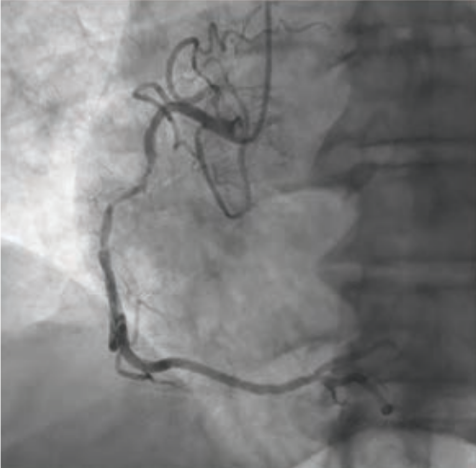
This clinical editor’s column by Morton Kern, MD, highlights a scenario many cath lab professionals recognize and fear. A patient presents 12–24 hours after myocardial infarction, appears stable in the emergency department, and is brought to the cath lab for percutaneous coronary intervention. The infarct-related artery is opened successfully, and then everything falls apart. Sudden hypotension, respiratory distress, and shock follow, despite angiographic success. A panel of experienced interventionalists weigh in with insights that capture the complexities of this issue.
- Intravascular Optical Coherence Tomography for the Diagnosis and Treatment of Peripheral Arterial Disease
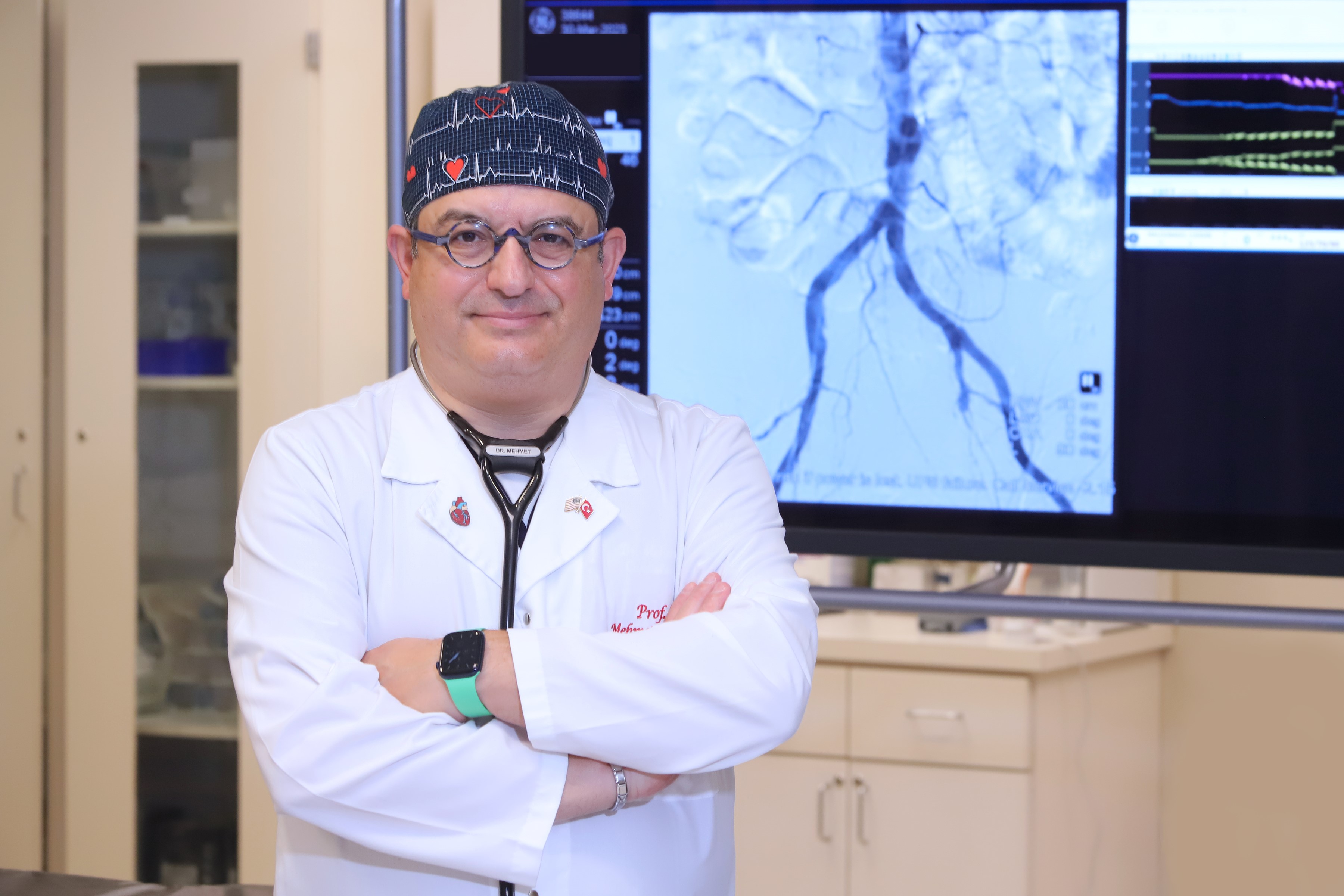
Optical coherence tomography (OCT) may be the missing imaging link in complex PAD and chronic limb-threatening ischemia interventions, offering cath lab specialists unmatched detail beyond angiography alone. This real-world case series by Mehmet Cilingiroglu, MD, and colleagues shows how OCT guided safer chronic total occlusion crossing, precise atherectomy, optimized stent deployment, and more. See how high-resolution intravascular imaging can sharpen decision-making and potentially change outcomes. Then jump into a video discussion with Dr. Cilingiroglu and his co-authors Thomas E. Milner, PhD, and Ibrahim Halil Inanc, MD.
Do you have a case, quality improvement project, or new device experience you’d like to share with the Cath Lab Digest audience? Would you like to have your cath lab featured? Contact managing editor Rebecca Kapur for more information, at rkapur@hmpglobal.com.
Related Content
Subscriber
Cath Lab Digest Newsletter