What Does the CMS National Coverage Determination (NCD) for Renal Denervation Mean for Device Companies, Physicians, and Hospitals?
© 2025 HMP Global. All Rights Reserved.
Any views and opinions expressed are those of the author(s) and/or participants and do not necessarily reflect the views, policy, or position of Cath Lab Digest or HMP Global, their employees, and affiliates.
A quick and simple review by Cath Lab Digest regarding the implications of the CMS NCD for RDN.
October 29, 2025 — The final CMS National Coverage Determination (NCD) for renal denervation (RDN) marks an important milestone for companies with FDA-approved RDN devices. It establishes national Medicare coverage for RDN as a treatment option for patients with uncontrolled or resistant hypertension, ending years of uncertainty around reimbursement. Importantly, coverage is available only under defined clinical and programmatic conditions, as specified in the NCD.
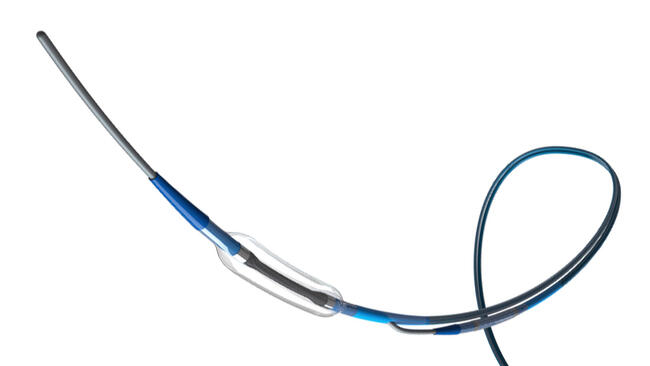
For device manufacturers such as Medtronic (Symplicity Spyral™) and Recor Medical (Paradise™), the finalized NCD means their therapies can now be reimbursed across all Medicare regions, eliminating local coverage variability. The policy also sets clear expectations for patient selection, physician qualifications, and facility standards, supporting adoption of RDN within established cardiovascular and hypertension programs.
In short, the NCD designates renal denervation as a covered therapy under defined conditions, creating a path for broader access, consistent utilization, and commercial scalability while maintaining clear guardrails for quality and safety.
What the NCD Means for Interventional Cardiologists
For interventional cardiologists, the finalized NCD formally recognizes RDN as a covered and reimbursed treatment option for patients with resistant or uncontrolled hypertension who meet the NCD’s criteria. This allows operators to incorporate RDN into clinical practice rather than limiting it to research protocols or self-pay cases. Physicians can now confidently identify eligible patients, submit claims under consistent national coverage, and perform RDN knowing reimbursement is available for both professional and facility services when performed under the NCD’s defined conditions.
The NCD also signals to cath lab teams that hypertension management has re-entered the interventional toolkit, expanding the therapeutic scope of interventional cardiology.
What It Means for Hospitals and Health Systems
For hospitals, the NCD provides national, predictable reimbursement for a procedure that was previously economically challenging. By removing regional variability, it enables hospitals to develop RDN programs with clear financial models and confidence in coverage across Medicare and Medicare Advantage populations.
The NCD’s defined coverage criteria — including physician training, procedural setting, and patient selection — establish a consistent framework for compliance and program development. In practice, hospitals can now integrate RDN into existing cardiovascular or hypertension service lines, expanding procedural options, improving patient outcomes, and differentiating their programs in a rapidly growing therapeutic space.
Find More:
Renal Denervation Topic Center
Cardiovascular Ambulatory Surgery Centers (ASCs) Topic Center
Grand Rounds With Morton Kern, MD
Peripheral Artery Disease Topic Center
Podcasts: Cath Lab Conversations