Dutch Biotech Breakthrough Brings Biological Pacemaker Closer to Reality
PacingCure and international university researchers report a gene therapy advance that could one day help heart cells restore rhythm without implanted hardware.
PacingCure and international university researchers report a gene therapy advance that could one day help heart cells restore rhythm without implanted hardware.
The Netherlands, AMSTERDAM — A pacemaker without a box under the skin. Without wires to the heart. And without a battery that needs to be replaced every 7-10 years. It sounds like something from the distant future, but Dutch researchers at biotech company PacingCure have achieved a breakthrough in the development of the biological pacemaker.
The research is being published this week in The Journal of Clinical Investigation. It concerns a new gene therapy to help the heart find a regular rhythm again on its own when the body's own system is not functioning properly. Not with a device that emits electrical currents, but by directing heart cells so that they set the correct tempo themselves.
The discovery was made by the Dutch biotech company PacingCure in collaboration with researchers from universities and research institutions in the Netherlands, Germany, and Korea. PacingCure founder and cardiologist Dr. Geert Boink has been working for twenty years to find a natural alternative for heart problems for which there is currently no good solution.
Every year, more than 1 million patients worldwide have such a device implanted.
Dizziness and shortness of breath
‘A healthy heart beats naturally in a steady rhythm. That rhythm ensures that blood is pumped properly through the body. If that goes wrong, the heart can beat too slowly. You can then become dizzy, faint, feel very tired, or become short of breath. In severe cases, it can be life-threatening,’ states Geert Boink, Scientific Director of PacingCure, on behalf of the international research team.
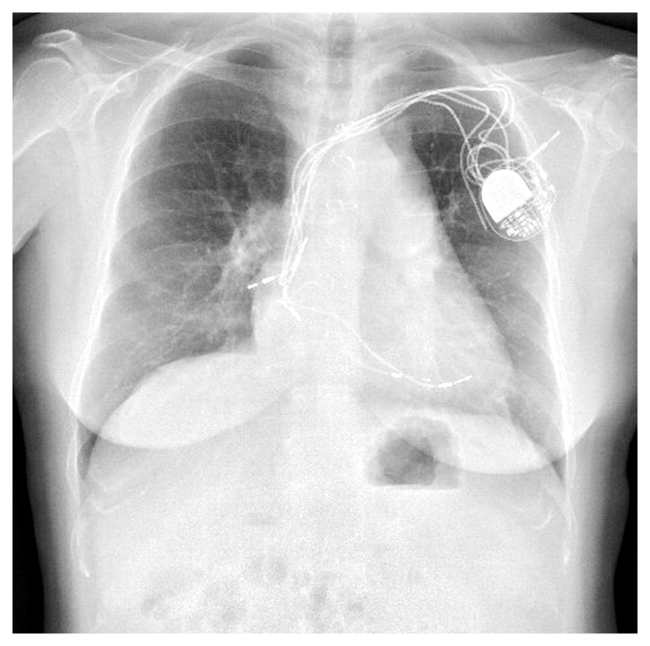
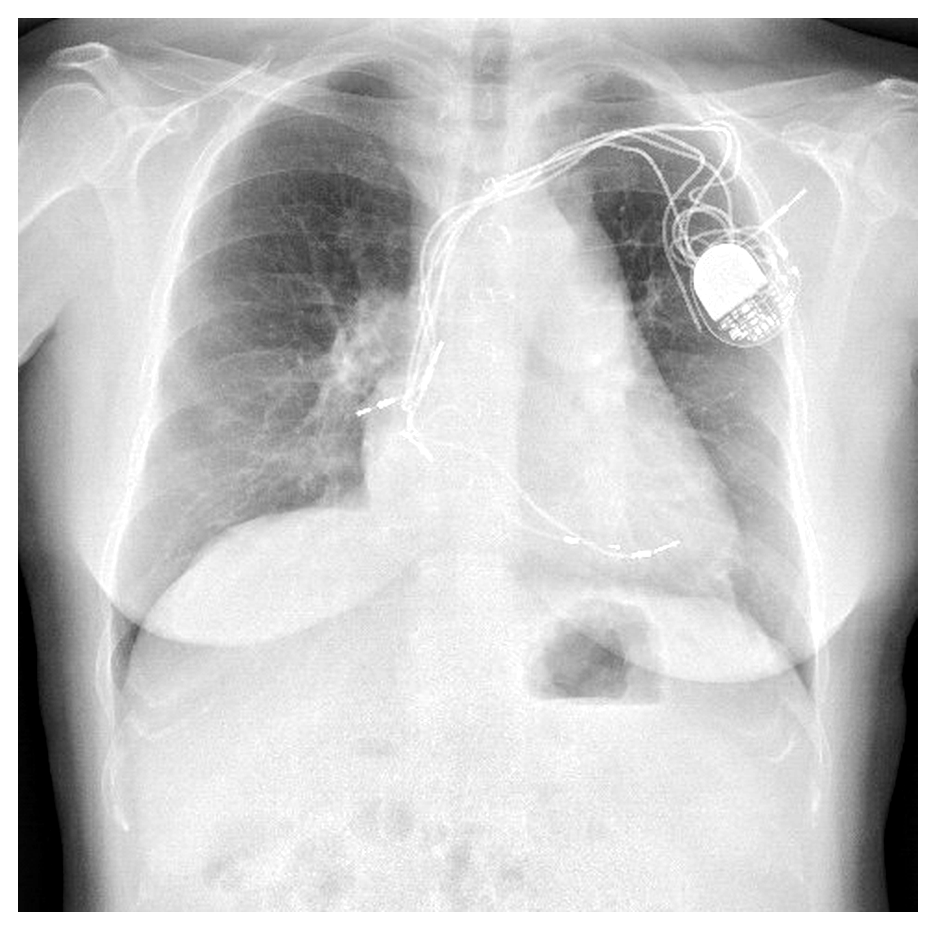 Boink: ‘The electronic pacemaker is an invention that has helped millions of patients. Unfortunately, there are still downsides. The device must be surgically implanted. The wires can cause problems. The battery runs out. In children with a pacemaker, the body grows while the device does not grow with it. And for some patients, it can end truly dramatically with a life-threatening infection of the pacemaker system. With a biological pacemaker, all that hardware is not needed. It also makes new surgeries for battery replacements, wire problems, etc., unnecessary.’
Out of tune
The current discovery is not yet a treatment. Much testing still needs to be done. Does it work long enough, is it safe enough? But it is an important step towards the pacemaker of the future. The new medical treatment aims to support the heart from the inside. In doing so, researchers deliver genetic instructions to the heart cells. These instructions must ensure that the cells form a new center that provides a regular heart rhythm. It requires minimal surgical intervention.

Boink: ‘You can compare it to an orchestra. If the conductor drops out, the music goes out of time. A standard pacemaker then sets the tempo from the outside. ‘We are trying to get the very best out of the orchestra so that a new conductor emerges within the heart itself.’
According to Boink, a portion of patients will soon be freed from the ‘hardware’ thanks to the biological pacemaker. ‘A biological pacemaker is not a device, but a medical treatment designed to enable your own heart cells to generate electrical impulses again on their own. These impulses are necessary to keep the heart beating in the correct rhythm. In the long term, this could become an important alternative for patients who depend on a conventional electronic pacemaker.’
Hope for unborn babies
In the long term, the biological pacemaker could also be a solution for unborn babies with a heart rhythm that is too slow. Boink: ‘For unborn children, the problems are currently even greater. If the heart beats much too slowly in the mother’s womb, doctors currently have few options to save the baby’s life. You cannot simply implant a pacemaker like you do with adults. Unfortunately, about 16-20% die in the womb.’ With the new gene therapy, we can implant a biological pacemaker during pregnancy to restore the heart rhythm in the unborn baby. We have since generated important data for this in various models.
Dead End
The international team of researchers from universities and biotech companies in the Netherlands, Germany, and Korea has also provided important new scientific insights.
Boink: ‘Researchers long believed that the TBX18 gene could transform ordinary heart cells into natural pacemaker cells. We have demonstrated that this pathway appears to rely on an accumulation of measurement errors and misleading side effects. Furthermore, this intervention is not safe. Our discovery is based on the HCN[GB1.1][GB1.2] gene, which codes for the pacemaker current. It takes a different path. It does not fundamentally alter the heart cell, but helps the cell to establish a regular rhythm itself again. In our extensive tests, this led to reliable pacemaker activity. This makes this pathway [GB2.1] the most promising for the development of a clinically applicable biological pacemaker.’ This research has now been accepted for publication in the Journal of Clinical Investigation (JCI: https://doi.org/10.1172/JCI190632). Reference to selected previous high-impact TBX18 publications (which now appear to be based on various artifacts):
1. Direct conversion of quiescent cardiomyocytes to pacemaker cells by expression of Tbx18 | Nature Biotechnology
2. Biological pacemaker created by minimally invasive somatic reprogramming in pigs with complete heart block | Science Translational Medicine
3. Antegrade Conduction Rescues Right Ventricular Pacing-Induced Cardiomyopathy in Complete Heart Block - ScienceDirect (JACC)
4. Transient pacing in pigs with complete heart block via myocardial injection of mRNA coding for the T-box transcription factor 18 | Nature Biomedical Engineering
About PacingCure
PacingCure is an Amsterdam-based biotech company and a spin-off of Amsterdam UMC. The company is working on the development of a biological pacemaker. PacingCure was founded in 2016 and is led by physicians and scientists with years of experience in cardiac rhythm research. The company has received funding from, among others, Health Holland, Innovatiefonds Noord-Holland, NWO, and the European Commission. In 2022, PacingCure received €2.5 million from the EIC Transition Programme for the further development of biological pacemakers.
Find More:
Shockwave C2 Aero Partner Spotlight
Renal Denervation Topic Center
Cardiovascular Ambulatory Surgery Centers (ASCs) Topic Center
Grand Rounds With Morton Kern, MD
Peripheral Artery Disease Topic Center