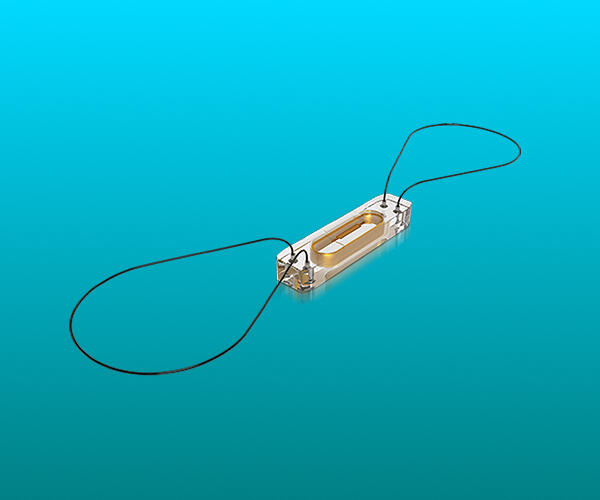
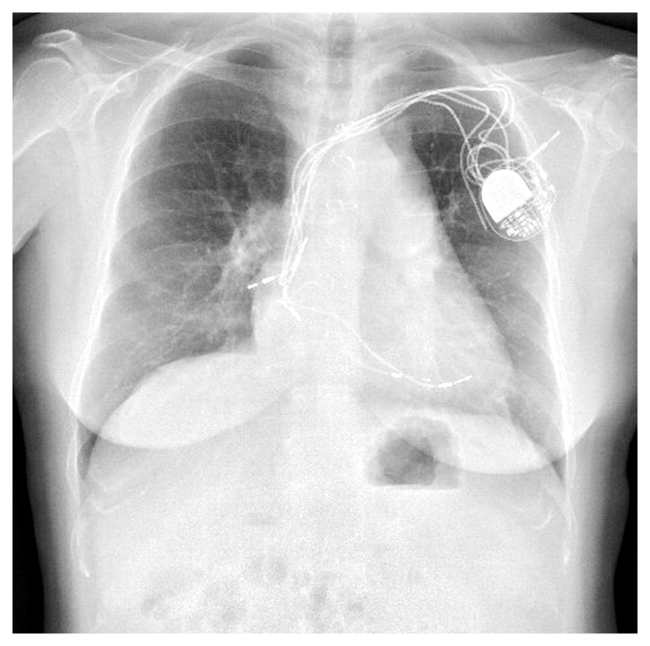
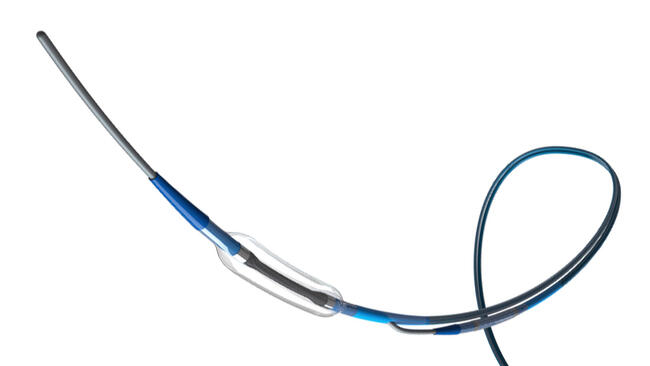
CardioMEMS™ HF System: Advancing Heart Failure Care Through Collaboration With General Cardiology
© 2026 HMP Global. All Rights Reserved.
Any views and opinions expressed are those of the author(s) and/or participants and do not necessarily reflect the views, policy, or position of Cath Lab Digest or HMP Global, their employees, and affiliates.
Heart failure management continues to challenge even experienced clinicians, particularly when care depends on episodic office visits and late-stage symptom recognition.
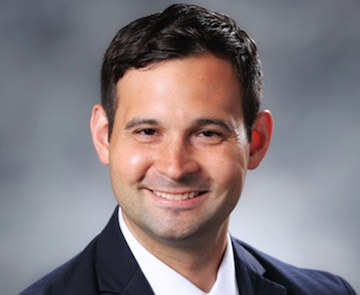 In this video, Matthew H. Gonzalez, MD, Advanced Heart Failure and Transplant Cardiologist at Corewell Health and Clinical Assistant Professor of Medicine at Michigan State University in Grand Rapids, Michigan, discusses how pulmonary artery pressure monitoring with the CardioMEMS™ HF System made by Abbott shifts management from reactive to proactive by detecting hemodynamic congestion before clinical deterioration occurs.
Drawing on clinical data and his experience partnering with community cardiologists, Dr. Gonzalez explains how continuous hemodynamic insight enables earlier therapeutic adjustment, reduces heart failure hospitalizations, and strengthens coordinated care without adding clinic burden.
Sponsored by Abbott.
Listen to the full 29-minute video (below) or select from Chapters 1-4, located beneath the full video:
Ch 1. Current State of Heart Failure Management
From a heart failure specialist’s perspective, what problems in heart failure management does the CardioMEMS HF System address that traditional clinic visits and symptom-based monitoring cannot solve?
Ch 2. What Problems Does the CardioMEMS™ HF System Solve for Heart Failure? And a Look at the Data
A two-part question: How are patients’ trajectories changed with the use of the CardioMEMS™ HF System, and can you share some of the clinical data around heart failure hospitalizations and mortality?
Ch 3. Professional Experience
- You mentioned focusing on the 3% of patients that are in the red zone. Could talk more about that?
- Can you describe your experience at your center in partnering with community cardiologists to manage heart failure patients? How has this partnering impacted your practice, the community, and the patients?
- You described having this conversation with physicians and that they absolutely want to know pulmonary artery (PA) pressures for their patients. How do you emphasize the importance of PA pressure elevation as an important marker?
Ch 4. The CardioMEMS™ HF System as a Collaborative Tool
- What role do you see the CardioMEMS™ HF System playing in partnerships between specialized care with heart failure specialists and management by community cardiologists, without increasing clinic burden?
- What advice do you have for other clinics to help heart failure patients in the community?
Watch More
CardioMEMS™ HF System in Structural Heart: Integrated Heart Failure Care with PA Pressure Monitoring
 In this 34-minute video, Ryan K. Kaple, MD, FACC, FSCAI, Program Director of the Structural and Congenital Heart Program at Hackensack University Medical Center in Hackensack, New Jersey, discusses how the CardioMEMS™ HF System has become an essential tool in managing patients with chronic heart failure. By providing pulmonary artery pressure monitoring, the technology enables earlier identification of decompensation, often before symptoms occur, allowing clinicians to adjust therapy proactively and reduce heart failure hospitalizations. Dr. Kaple shares how integrating the CardioMEMS™ HF System into his heart failure program has improved patient outcomes, optimized care coordination, and enhanced long-term quality of life for this high-risk population.
Sponsored by Abbott.
Watch the Discussion With Dr. Kaple