Becoming an AIBD Ambassador
AIBD Ambassadors Tenzin Choden, Amelia Kellar, Cindy Law, and Payal Kakadiya share their experiences in assisting with program planning, poster abstract and content review, making connections with fellow early-career professionals, and learning from the key opinion leaders in the field as they build their academic IBD portfolios and help to increase engagement in the AIBD program.
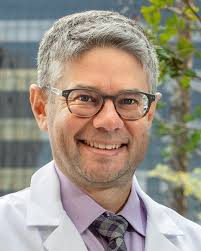
Tenzin Choden, MD, is an adult IBD specialist at the University of Chicago. Amelia Kellar, MD, is a pediatric and adult IBD specialist at the University of Chicago. Cindy Law, MD, is an adult IBD specialist at Massachusetts General Hospital. Payal Kakadiya, PharmD, is a clinical pharmacist practitioner at the University of North Carolina.
VIDEO HIGHLIGHTS
- The AIBD ambassador program engages early-career IBD professionals in academic conference development, including abstract review, session support, and social media dissemination, while providing insight into how IBD curricula are created and delivered.
- Participation offers direct exposure to emerging data, therapies, and guideline leaders, enabling attendees to rapidly translate new knowledge into clinical practice and enhance education for trainees and patients.
- The program fosters multidisciplinary collaboration and networking across institutions and career stages, supporting mentorship, research partnerships, and peer connections while expanding access to conference insights through social media engagement.

TRANSCRIPT
Dr Choden:
Hello. We are some of your 2025 AIBD ambassadors. My name is Tenzin Choden. I am an adult IBD specialist at the University of Chicago.
Dr Kellar:
And I'm Amelia Kellar. I'm a pediatric and adult IBD specialist at the University of Chicago.
Dr Law:
I'm Cindy Law. I'm an adult IBD specialist at Massachusetts General Hospital.
Dr Kakadiya:
I'm Payal Kakadiya. I'm a clinical pharmacist practitioner at the University of North Carolina.
Dr Choden:
Great. So tell us a little bit, maybe Amelia, tell us a little bit about why you chose to be a AIBD ambassador.
Dr Kellar:
Yeah, I thought it would be a great opportunity. I mean, we definitely as trainees come to all of these conferences, but to become a little bit more involved in the process of how do they generate the curriculum, having the opportunity to meet a lot of leaders in the field and work directly with them, as well as meeting a lot of colleagues from across the country and internationally as well.
Dr Choden:
Yeah. This is such a great conference for us as in the field of IBD, very community driven. Tell us a little bit about what goes on behind the scenes as part of being the ambassador.
Dr Law:
Yeah. So AIBD ambassadors are usually early career faculty who are interested in a career in academic IBD. We do get a view behind the scenes of planning an academic conference. And some of our roles include reviewing abstracts, answering questions during sessions, and engaging with attendees on social media.
Dr Kakadiya:
And just to add on kind of to what Amelia and Cindy have said, I think being an AIBD ambassador, so not only getting to learn the process of what goes behind the scenes, helping to review what's going to be presented at the conference, but also being able to attend the conference. I feel like it's just a great place to learn what's new out there, new data, new therapies. And then what we learn here, we can almost take immediately into clinical practice. And so I feel, I always say knowledge is power. So one of the reasons as an ambassador getting to come here, I get to learn as much as I can and then use that to go back and educate not only our future healthcare professionals, like our learners, but also patients.
And then it's a great place to just network, connect, meet your mentors, meet peers. And as an ambassador, we're part of this emerging group and so we are the future of IBD care, right? So just having those connections, having that network, people to lean on when you need.
Dr Choden:
Yeah, totally agree. I think AIBD is probably one of our most clinically relevant conferences where we're able to immediately take some of the knowledge that we gained and take it into the clinic. And I think you would probably agree being a second year ambassador as well. It's been great to come back year after year and really meet with the same cohort of ambassadors. It's been great to develop a network of peers that are also interested in kind of the same things.
Dr Kakadiya:
Yes, agree. And being an AIBD ambassador is a 2-year commitment, but I feel like in those 2 years, you use that first year to meet, to connect. And then that second year, it's like you're gathering. You're excited to see everybody, excited to reconnect. And then I also think it's great that we use social media. Social media is part of our future. So using Twitter to kind of not only keep everybody engaged, but also people who can't attend AIBD. We're helping disseminate that knowledge to those who were not able to make it, or just the general healthcare population or general public, and then as well as other providers and healthcare professionals that are following along.
Dr Kellar:
I think that's a great point. Actually, I noticed yesterday we were tweeting one of the sessions and then it was retweeted by several patient advocates. And I thought that was really cool because they're not able to be here, but they're retweeting all the information that we're able to share. So it gives us a really good avenue to do that.
Dr Kakadiya:
Yes. And then along with the patient advocates, I think AIBD also does a great job in incorporating all the different multidisciplinary team members that are part of IBD care. So me being a pharmacist, I'm allowed the opportunity to be an ambassador. We also have a pharmacy track. There's a surgery track, pediatrics…
Dr Kellar:
Pediatric track.
Dr Kakadiya:
Yeah. So I think it's a unique conference in that they make sure to include all of those that are involved in IBD care. We have some patient advocates here too, so it's great hearing their side of things. So yeah, overall, I just really enjoy IBD. Yeah.
Dr Law:
It's been wonderful to be part of a community where everyone is so deeply passionate about advancing IBD care and for all of us to speak a common language and have a common goal.
Dr Kakadiya:
And I don't know how it is for you guys, but we're learning directly from the leaders in the field. These are people that publish guidelines. They're the ones that are part of all the clinical trials, so we get to hear directly from them. And I think that also ... And then as ambassadors, we get to really meet with network and meet them, connect with them. Exactly. And then also they become our mentors. And it can be intimidating because it's like, oh gosh, I'm talking to so-and-so. But they're all just very great, very humble, and they're also great educators.
Dr Choden:
Right. I think that's probably one of the biggest perks of being in the ambassador program is really getting to have that sort of one-on-one close-up connection with some of the thought leaders in our field, something that you might have thought leaders at your institution, but just really being able to network outside of your institution, meet others, and possibly have acquiring new mentors as well.
Dr Law:
Being an AIBD ambassador has been such a rewarding experience from a personal, professional, and clinical standpoint. I really encourage anyone who's interested to participate in the program.
Dr Kellar:
To your earlier point, one of the things that really surprised me about the experience was I was expecting to get a lot of interaction with the thought leaders because that's a part of the ambassador program is working really closely with them. But another thing was meeting colleagues at the same stage where I met my second, the person that was the second year AIBD ambassador for one of the sessions last year, we ended up talking afterwards and we both do similar research and then we ended up working on the same paper together. And so that was a really unexpected connection. So not only do you get to meet leaders in the field, but as another future leader in the field, you get to collaborate with those people and form those connections when you're at different centers, which I think is a huge asset of the program as well.
Dr Kakadiya:
And another thing to add to as a AIBD ambassador being at these sessions and helping to moderate questions, or we're also given the opportunity to answer some of the audience questions. And I think that just shows how much these leaders trust us and want us to be involved. And it's a learning opportunity for us as well as giving back to the audience as an ambassador.
Dr Law:
I had a similar story to Amelia where when we met as a cohort of ambassadors, I met with someone that I wrote a paper with 10 years ago when we were medical students and we recognized each other's names, but I had actually never met her in person until now. So it was really great to reconnect with her and hopefully we'll be able to write more papers together in the future.
Dr Kellar:
Yeah, for sure.
Dr Choden:
So definitely think there's obviously a lot of perks and it's been a great experience being an AIBD ambassador. Any way we could maybe sum it up?
Dr Law:
So being an AIBD ambassador is an incredibly rewarding experience. Through my experience as an ambassador, I've grown personally, professionally, and clinically. I would encourage anyone who's interested to apply.
© 2026 HMP Global. All Rights Reserved.
Any views and opinions expressed are those of the author(s) and/or participants and do not necessarily reflect the views, policy, or position of the AIBD Network or HMP Global, its employees, and affiliates.