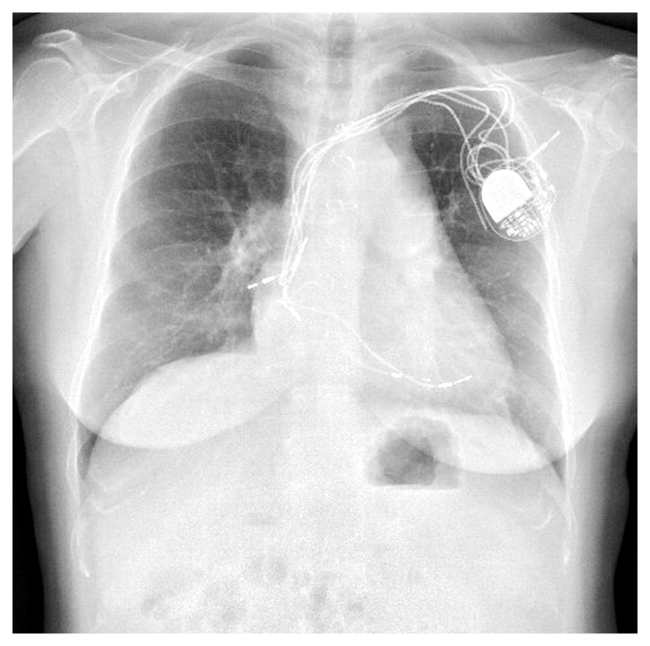
Bridging the Healthcare Gap: Addressing Physician Shortages in Rural Communities Amid an Aging Population
© 2025 HMP Global. All Rights Reserved.
Any views and opinions expressed are those of the author(s) and/or participants and do not necessarily reflect the views, policy, or position of Cath Lab Digest or HMP Global, their employees, and affiliates.
Bradley Serwer, MD, FACC, FSCAI1; Reese Ebner2
1Interventional Cardiologist & CMO at VitalSolution; 2Student at University of Texas at Austin, Austin, Texas
Dr. Serwer can be contacted at brad.serwer@vitalsolution.com. Reese Ebner can be contacted at rebner123@icloud.com.
Rural communities across the United States (U.S.) are confronting an imminent healthcare crisis. As the medical workforce dwindles, these underserved areas will lose access to essential healthcare services. With fewer physicians choosing to practice in rural regions and an aging population necessitating increased care, the question persists: How can we guarantee that patients in these communities receive the medical attention they require?
Rural communities have long grappled with physician shortages, but the problem is intensifying. According to the National Rural Health Association, rural areas house nearly 20% of the U.S. population but only approximately 10% of physicians. Many of these doctors are nearing retirement, and younger medical professionals are less inclined to assume their roles due to financial, professional, and lifestyle considerations. Furthermore, aging populations in rural areas exacerbate the issue. As baby boomers age, they require more frequent medical visits, chronic disease management, and specialized care. However, numerous rural hospitals are closing and primary care providers are in short supply. Without intervention, these communities face a future where access to even fundamental healthcare is severely restricted.
Each day, approximately 10,000 individuals reach the age of 65, and the health care demands continue to grow. Currently, physicians aged 65 and above constitute 29.8% of the total physician population in the United States. Approximately one-third of the workforce is older than 65. Notably, 40% of physicians aged 55 and older express a desire to retire after the age of 65. While there appears to be a trend of delayed retirement, this does not address the pressing issue of a shortage of new medical graduates and newly recruited physicians to meet the increased demand.
In 2025, the residency program matched 43,237 positions, with 94.3% of those positions being filled by training physicians. Despite the fact that 20% of the American population resides in rural areas, only 11% of physicians express a desire to practice in those regions. Furthermore, the American Medical Association of Colleges of Medicine (AAMC) predicts a 25% decrease in the number of physicians practicing in rural areas by 2030. This shortage is primarily attributed to professional isolation, increased workloads, broader scope expectations, lifestyle considerations, and inadequate resources and compensation. Additionally, rural regions face a lack of support, including lower financial incentives. Consequently, the least profitable hospitals are now compelled to compensate physicians at the highest rates.
In 1999, rural areas experienced a 7% higher mortality rate compared to urban areas. However, this gap has widened to a 20% higher mortality rate in 2019. Rural areas bear a disproportionately higher mortality rate, particularly among the working-age population. This trend is exacerbated by the increasing prevalence of heart disease, cancer, and respiratory illnesses. This difference in outcomes underscores the need for improved healthcare access and resources in rural regions.
According to the Human Resources Administration (HRSA) 2022 study, the physician gap currently stands at approximately 23,640 primary care shortages. The AAMC further predicts a shortage of 81,180 full-time equivalent (FTE) physicians by 2035, with the AAMC estimating that this number will rise to 86,000 by 2036.
Historically, the relationship between the demand for and supply of doctors has been linear until 2012, when this progression stagnated, and more doctors left the workforce than entered it. With an aging and increasingly ill population, the demand for medical assistance has surged. Notably, 31% of the United States population is over 55 years old, and individuals over 55 are four times more likely to require medical care. Furthermore, the Affordable Care Act facilitated increased access to medical care for a larger portion of the population, leading to a significant surge in the demand for doctors. However, the disparity between supply and demand has widened. The current shortage of doctors cannot adequately meet the growing demand.
Addressing this crisis necessitates a multifaceted approach that emphasizes attracting, training, and retaining healthcare professionals in rural areas.
1. Expanding Rural Medical Education Programs
One of the most effective long-term solutions is increasing opportunities for medical training in rural areas. Medical schools and residency programs must offer more rural-focused training tracks, allowing students to complete rotations in underserved areas. Programs such as the Rural Physician Training Pathway and the Teaching Health Center Graduate Medical Education program have already demonstrated promise in placing doctors where they are most needed. Just over eight percent (8.2%) of medical schools include a formal rural program. Thirty-two medical schools within this study stated that they are focused on rural training and prioritize it. Nearly 65 percent of schools offer rural clinical experience, which helps students become aware of the need for rural healthcare, but it is less promoted. Most medical schools make students aware of the need for rural healthcare, but very few institutions promote it and have a dedication to redistribute the workforce.
Schools dedicated to promoting rural healthcare employ various strategies. Some establish specialized tracks and programs that integrate rural healthcare training into their curricula. This may include coursework in rural medicine and mentorship with rural practitioners. Additionally, some schools offer extended clinical rotations and immersive clerkships for specialties such as family medicine, obstetrics and gynecology, and emergency care. Furthermore, schools may alleviate financial burdens and provide scholarships for students pursuing careers in this field. Community partnerships with rural hospitals and local community centers are also actively being fostered. These initiatives collectively contribute to the promotion of rural healthcare by providing practical experience and cultivating relationships that facilitate job placements.
2. Financial Incentives and Loan Forgiveness
The high cost of medical education often discourages graduates from pursuing lower-paying careers in rural medicine. Expanding federal and state loan forgiveness programs, such as the National Health Service Corp and state-run rural physician incentive programs, can alleviate financial burdens and encourage young doctors to commit to rural practice. It is widely acknowledged that medical students typically graduate with substantial debt in loans. Typically, freshly graduated medical doctors from public schools have an average of $203,606 in debt, while private school graduates typically have $227,839 in debt. This financial burden significantly influences many decisions made by medical graduates. The earning potential of a doctor plays a crucial role in determining their chosen practice location. Generally, rural primary care physicians earn approximately 5% less compared to their urban counterparts.
3. Promoting Rural Healthcare Pathways
Medical experts are in high demand, and many physicians have numerous options for practicing. Rural healthcare pathways must be appealing in multiple aspects to attract and retain top talent. Immersing students in rural life for extended periods through specialized training tracks is an effective way to demonstrate the benefits of this practice setting firsthand. Once student physicians are drawn to this practice setting, it is essential to provide incentives to retain them. Government programs, such as scholarships, grants, and loan forgiveness, can further encourage younger physicians to pursue careers in rural medicine.
4. Utilizing Telemedicine to Expand Access
The feeling of isolation is a complaint often reported by our rural medical community. In our post-COVID medical community, hospital bed shortages are a significant issue. Transferring sicker patients from rural, community-based hospitals to higher levels of care is often difficult, if not impossible. While in-person care remains essential, telemedicine can play a critical role in bridging gaps in healthcare access and can provide expert assistance regardless of location. Virtual consultations allow rural patients to connect with specialists without traveling long distances or reducing strain on local healthcare providers.
Technological advancements are improving rapidly. The ability to listen to a patient’s heart and lungs from a remote site is now possible with minimal assistance. While some appointments may be completed over a simple internet connection in the convenience of the patient's home, some appointments may require more in-depth “hybrid model” approaches where patients can present to their local clinic, and the staff at these sites can assist with a virtual visit to essentially duplicate an in-person visit. Healthcare insurance reimbursement has limited some of these options by offering lower reimbursement for virtual or telehealth visits.
5. Supporting Rural Hospitals and Clinics through Innovative Staffing Models
The traditional model of living where one works is an antiquated concept. While it offers convenience, this model disproportionately favors urban settings, putting rural facilities at risk. The travel model, or locum tenens model, was previously viewed as a temporary solution. However, in 2025, we frequently observe physicians traveling long distances to provide life-saving services in geographically disadvantaged regions on a long-term basis. The most prevalent model is a rotating week-on, week-off schedule. This model enables physicians to reside in their desired locations and practice medicine in areas where their services are most needed. The rotating model provides comprehensive around-the-clock coverage while allowing physicians ample time to recover from demanding work schedules. This model has been associated with lower rates of physician burnout, increased professional satisfaction, and enables rural patients to remain within their communities.
6. Strengthening the Rural Healthcare Workforce Beyond Physicians
Rural healthcare cannot solely rely on physicians. Expanding the roles of nurse practitioners (NPs), physician assistants (PAs), and community health workers can help address critical care gaps. While collaborating with specialists, even virtually, Advanced Practice Providers (APP) can deliver high-quality care and serve as physician extenders to underserved regions. When a patient’s needs exceed the capabilities of the APP, they can virtually consult with specialists or transfer to a higher level of care.
Although nurses and physicians receive significant attention, highly trained and experienced healthcare administrators should not be disregarded. Healthcare administrators play a crucial role in the success of a hospital. Their responsibilities encompass oversight, billing, collections, operational efficiency, marketing, and staff management. Unfortunately, rural areas often encounter challenges in attracting competitive administrators, exacerbating the gap that needs to be bridged.
While the situation for those living in rural areas seems dire, there is hope. Ongoing governmental advocacy is bringing these issues in front of our elected officials. Additional funding is a start, but is not enough. Using technology, creativity and tearing down preconceived practice models, we can and will come together as a medical community to ensure all patients receive the health care they need.
VitalSolution, a physician-led organization dedicated to providing tailored critical care service lines to hospitals across the country since 2011. Focused on enhancing healthcare in rural and under-resourced areas, it brings vital and specialized interventional cardiology and anesthesiology services to communities nationwide. To learn more, visit www.vitalsolution.com or call 866-456-3228.
List of Suggested Resources:
https://chghealthcare.com/blog/late-career-physicians-survey-report
https://www.aamc.org/news/attracting-next-generation-physicians-rural-medicine?utm
https://www.cdc.gov/nchs/products/databriefs/db417.htm?utm
https://bhw.hrsa.gov/sites/default/files/bureau-health-workforce/training/projections-2025.pdf?utm_
https://www.aamc.org/advocacy-policy/addressing-physician-workforce-shortage?utm_source
https://www.aafp.org/about/policies/all/rural-practice-keeping-physicians.html?
https://www.incrediblehealth.com/blog/news/8-statistics-that-explain-the-rural-doctor-shortage/?utm_
https://www.ruralhealthinfo.org/topics/workforce-education-and-training?utm_source
https://nhsc.hrsa.gov/loan-repayment/nhsc-loan-repayment-programs.html
https://pmc.ncbi.nlm.nih.gov/articles/PMC5789104/
https://www.credible.com/statistics/average-student-loan-debt-for-medical-school
https://pubmed.ncbi.nlm.nih.gov/18397451/
https://www.hschange.org/CONTENT/725/index.html
https://www.ruralhealthinfo.org/toolkits/telehealth/1/barriers
https://telehealth.hhs.gov/providers/best-practice-guides/telehealth-for-rural-areas/getting-started
https://www.ruralhealthinfo.org/topics/health-care-workforce
Find More:
Renal Denervation Topic Center
Cardiovascular Ambulatory Surgery Centers (ASCs) Topic Center
Grand Rounds With Morton Kern, MD
Peripheral Artery Disease Topic Center
Go to Cath Lab Digest's Current Issue
Go to the Journal of Invasive Cardiology Issue