CME/CEU OFFERING:Sirolimus-Eluting Stent: Components and Data
November 2003
Topics: Sirolimus-Eluting Stent: Components and Data
Faculty/Credentials: Daniel D. Snavely, MD, Assistant Professor of Medicine, Co-Director, Cardiac Cath Lab, Director, Endovascular Intervention, University of Cincinnati, Division of Cardiology, Cincinnati, Ohio
Learning Objectives. At the conclusion of this activity, the participant should be able to: 1. Identify the three components of a drug eluting stent. 2. Describe the mechanism of action of sirolimus and the attendant clinical benefits. 3. Identify the various clinical trials and their results for the sirolimus eluting stent.
Activity instructions. Successful completion of this activity entails reading the article, answering the test questions and obtaining a score of over 70%, and submitting the test and completed evaluation form to the address listed on the form. Tests will be accepted until the expiration date listed below. A certificate of completion will be mailed to you within 60 days. Estimated time to complete this activity: 1 hour
Initial release date: November 30, 2003
Expiration date: November 30, 2004.
Target audience. This educational activity is designed for physicians, nurses and cardiology technologists who treat patients with coronary artery disease.
Accreditation statements. This activity is sponsored by HMP Communications.
Physicians: HMP Communications is accredited by the Accreditation Council for Continuing Medical Education to provide continuing medical education for physicians.
HMP Communications designates this continuing medical education activity for a maximum of 1 category 1 credit toward the AMA Physician’s Recognition Award. Each physician should claim only those credits that he/she actually spent in the educational activity.
This activity has been planned and produced in accordance with the ACCME Essential Areas and Policies.
Nurses: Provider approved by the California Board of Registered Nursing, Provider Number 13255 for 1 contact hour.
Radiologic Technologists: Activities approved by the American Medical Association (AMA Category 1) are eligible for ARRT Category B credit as long as they are relevant to the radiologic sciences. Radiologic Technologists, registered by the ARRT, may claim up to 12 Category B credits per biennium.
SICP: Society of Invasive Cardiovascular Professionals (SICP) approved for 1 CEU.
Commercial support disclosure. This educational activity has been supported by an educational grant from Cordis Corporation.
Faculty disclosure information. All faculty participating in Continuing Education programs presented by HMP Communications are expected to disclose to the meeting audience any real or apparent conflict(s) of interest related to the content of their presentation.
Dr. Snavely discloses that he he is a member of the speakers' bureau for Cordis Corporation.
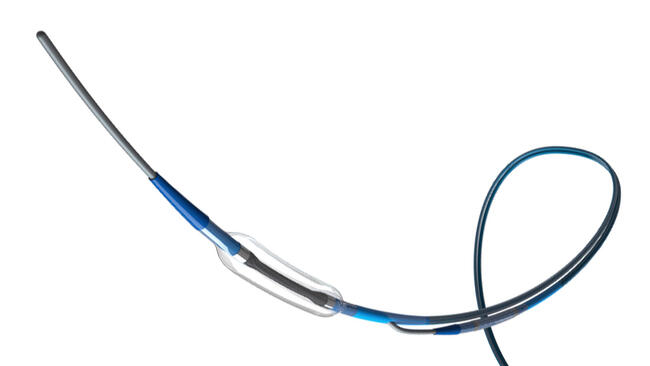
Since receiving FDA approval on April 24, 2003, the sirolimus-eluting stent (SES) has created much excitement among interventional cardiologists. To date, over 250,000 of these drug-eluting stents (DES) have been deployed in patients. Despite the success in preventing in-segment restenosis (ISR), i.e., reduction to 5.1% in NEW SIRIUS, much controversy remains surrounding the usage of this product.1 The controversy is driven primarily by economic issues and adoption of utilization protocols proposed by some hospitals and physicians. The economical impact of this new technology affects patients, hospitals and payers alike. The financial ramifications are heralded by the increased cost of SES compared to bare metal stents (BMS). The current cost for a BMS is approximately $850“1000, based on hospital system, vendor and purchasing agreements. The cost of the SES is approximately $2,800, which is an approximate three-fold increase compared to BMS. Although Medicare has established a new DRG for drug-eluting stents, other payors have not yet adopted coverage for this new technology. This has left patients and hospitals trying to find ways to account for the increased cost. Hospitals potentially lose in two ways: 1. First, by the direct loss of revenues due to increased cost and decreased reimbursement; 2. Second, by loss of revenues from repeat revascularization procedures that will not be performed due to reduction in restenosis. Given the number of percutaneous coronary interventions (PCI) performed annually, the financial impact of DES could be enormous. Some hospitals and physicians have advocated restrictive protocols based on the risk for developing ISR. This means not utilizing SES in large vessels and short lesions. Additionally, further limitations have been proposed, such as non-usage in acute myocardial infarction, bifurcation lesions, left main disease and saphenous vein grafts. BMS are often utilized in these situations; however, it is likely that DES will have a benefit for these subsets as well. Although controversy exists and economic implications are tangible, the SES approaches the magic bullet for which cardiologists have searched since Andreas Gruentzig first performed balloon angioplasty in 1977. This summary will focus on the key elements of SES and its performance in various clinical trials and registries. The SES unites the antiproliferative drug sirolimus, a closed cell stent design, and a biocompatible polymer. This combination allows for uniform delivery and controlled release of sirolimus and has resulted in a marked reduction in late loss, restenosis and target lesion revascularization (TLR). (Please refer to Charts 1 and 2 that depict late loss and TLR in all SES trials.) SES has undergone preclinical and clinical trial testing with the longest follow up to date in patient subsets treated with DES. Preliminary data exist from the feasibility trial with SES up to 48 months.2 In all clinical trials, SES has shown significant reduction in neointimal hyperplasia (NIH), the primary target of DES. Restenosis results from vessel recoil, a mechanical process and late loss, a biological process. BMS attenuate or eliminate the mechanical component of the restenotic process, but they do not inhibit NIH. NIH is caused by the proliferation of smooth muscle cells (SMC) that typically occurs within the stented vessel following an interventional procedure and leads to reduction in the vessel lumen. The clinical correlation of NIH reduction is decreased late loss. Late loss is thus the key determinant of restenosis and therefore represents an objective endpoint for determining the anti-proliferative effect of any DES. In summary, through reduction in NIH, SES has achieved reductions in late loss, TLR, and binary restenosis in multiple clinical trials and registries. Sirolimus has a dual mechanism of action. It inhibits smooth muscle cell proliferation and modulates inflammatory cell function. Sirolimus inhibits smooth muscle proliferation via a cytostatic mechanism of action by arresting cells prior to the G1 checkpoint of the cell cycle. Cytostatic implies that cells are stopped from proliferating but remain viable and cell death is avoided. In contrast, a cytotoxic mechanism of action results in cell death. Picture 1 depicts the various stages of the cell cycle. Pre-clinical studies have demonstrated endothelial growth as early as 3 days post-implantation and have shown complete re-endothelialization by 30 days.3 The cytostatic, rather than cytotoxic, mechanism of action would seem to be beneficial for reducing NIH, while allowing adequate re-endothelialization. Additionally, in animal studies, sirolimus has demonstrated a broad therapeutic window. Doses at six times the commercial dose have been loaded onto a stent and showed no evidence of toxicity. This translated into the clinical benefit of safely overlapping stents without reaching toxic drug levels. The dual mechanism of action combined with the broad therapeutic window of sirolimus resulted in beneficial efficacy and safety profiles in clinical trials and real world registries. SES has demonstrated low and predictable late loss that translated into significant reductions in restenosis and TLR rates (refer to Charts 1 and 2). SES has likewise yielded an excellent safety profile with low thrombosis and major adverse clinical event (MACE) rates sustained long-term. Although concerns have been raised over potential subacute thrombosis (SAT) issues, the facts do not support the level of concern. The concern was generated by data from select few centers that reported increased SAT rates after SES was FDA approved. The main concern was that real world usage would result in increased SAT due to improper technique and overlapping of multiple stents, etc. Based on the product complaints received on the SES since product’s commercial release in the U.S. through September 2003, the combined acute and subacute rate is around 0.1%, which is well within the observed rate for bare metal stents. The biocompatible polymer is yet another aspect of SES. The SES polymer allows for drug retention during stent delivery and deployment. This is particularly crucial for calcified lesions and direct stenting, as these scenarios sometimes result in vigorous manipulation of the stent and delivery system. The polymer ensures controlled and sustained release of a therapeutic dose of sirolimus during the critical critical healing period (approximately 30 days post stent implantation). The SES elution profile is such that 100% of the drug is released within 90 days. This particular polymer has been utilized in humans for medical devices for over 25 years in applications such as drug-release ocular devices (Ocusert®) and intrauterine devices (Progestasert®). The SES has as its base a closed cell stent design with a fixed metal-to-artery ratio that provides radial force as well as conduit for consistent drug delivery. The closed-cell design ensures drug delivery both longitudinally and circumferentially. Although deliverability has been raised as a potential problem with SES, the procedural success rate has been very high in all clinical trials. More supportive wires and guides may need to be utilized, particularly in tortuous vessels and calcified lesions. In general, if BMS would be difficult to deliver, then one should utilize a more supportive system. The First in Man (FIM) feasibility trial with SES, now with 100% three-year follow up, represents the longest-term follow up with any DES. This feasibility trial demonstrated excellent long-term results, TLR rate of 3.3% and 90% event-free survival (EFS). The marked reduction in revascularization rates was confirmed with the RAVEL trial. The 6-month results of RAVEL intrigued both the cardiology community and the lay press with 0mm late loss, 0% binary restenosis, 0% TLR and a remarkable safety profile. The RAVEL trial now has two year follow up showing TLR of 2.5% at 24 months, and EFS of 90%. The pivotal United States SIRIUS trial further confirmed the efficacy and safety of the SES. This trial included an average lesion length of 14.4mm and minimum lumen diameter of 2.67mm with 26% diabetics. Now, with one-year follow up on all 1,058 patients treated, the TLR rate was 4.9% and EFS 91.7%. Preliminary two-year data is available on the first 518 patients. The results continue to hold. The most current clinical trial data comes from the new SIRIUS trials. The NEW SIRIUS represents pooled data from European (E-SIRIUS) and Canadian (C-SIRIUS) trials. The reference vessel diameter was on the average significantly smaller at 2.45mm, the lesion length was longer at 23.3mm and more multiple stents were implanted than in the SIRIUS trial. This population included 20% diabetics. NEW SIRIUS yielded a TLR rate of 4.0%, EFS of 92.8% and in segment binary restenosis of 5.1%.1 The clinical trial outcomes with the SES have been confirmed with the Serruys’ RESEARCH registry (for 6 months post European launch of the SES, Dr. Serruys treated all patients with the SES), which has demonstrated safety and efficacy in a real-world patient population including acute myocardial, bifurcation lesions and left main disease. According to Dr. Serruys, almost 70% of these patients would not have been included in the randomized trials conducted to date. In patients with an acute myocardial infarction, there was 0% binary restenosis at 6 months.4 Thirty patients with significant left main disease were treated with SES. Five were treated during an acute MI, 17 were elective patients who refused surgery, and nine were bailout procedures for LM dissection during diagnostic or PCI procedures. Four patients died in the hospital prior to discharge, three of whom were in cardiogenic shock at the time of the procedure. Of the 27 remaining patients, there were no deaths, MIs or percutaneous revascularizations. One patient received coronary artery bypass surgery. The average follow up for this cohort was 5.1 months.5 The most reproducible datum from all SES trials has been the marked reduction in late loss due to NIH. This demonstrates the true biologic effect of SES, elimination of neointimal hyperplasia, which is the key determinant of in-stent restenosis. Table 1 depicts late loss reduction in several SES trials as well as lesion characteristics and clinical benefits. The 8.9% binary restenosis rate seen in SIRIUS was primarily due to restenosis proximal to the stent itself. Realizing this, investigators utilized different techniques in NEW SIRIUS. Shorter balloons were used for pre and post-stent dilatation. There was no pull back performed during stent deployment. Finally, direct stenting was allowed and occurred in 28% of patients. The improved procedural techniques resulted in significant improvement in binary restenosis, mainly at the stent edges. The in-stent binary restenosis rates were equivalent between SIRIUS and NEW SIRIUS, at 3.2 and 3.1%, respectively. Despite the positive clinical data for SES, this product has not been adopted in all institutions and all lesion subsets, largely due to economical considerations, as described earlier. Certain protocols have been adopted and proposed to limit its usage, such as not utilizing SES for large vessels, bifurcation lesions, acute myocardial infarction and saphenous vein grafts. Some physicians hold that the cost of the SES should preclude its utilization in unproven situations. Although not yet FDA-approved for these indications, drug-eluting stents might confer the same benefits when bare metal stents are routinely used in these applications. Clinical trials are ongoing to evaluate SES in these situations. Based on the latest NEW SIRIUS trial data SES has demonstrated 75% plus reduction in TLR across all lesion subsets studied. The most significant improvement, approximately 85%, was observed in simple patient subgroup, i.e. non-diabetic patients with short lesions and large vessels. Thus indicating that even patients that are not likely to return for revascularization will see a benefit from this technology. NEW SIRIUS data also showed a 100% reduction in restenosis rates in large vessels. The feasibility results using SES in bifurcation lesions have been encouraging, but more data are needed. Restenosis rates, although markedly reduced in the main vessel, remained relatively high in the side branch. This is primarily due to inadequate coverage of the ostium of the side branch with the SES.6 Improved techniques in bifurcation stenting could potentially alleviate this limitation. Acute myocardial infarction is another subset where SES has potential benefit. Bare metal stents are routinely deployed in acute cases, despite a trend toward increased mortality compared to PTCA alone.7 The possible increase in mortality has generally been accepted because of reduction in target vessel revascularization at 6 months when stents are utilized. As decreased target vessel revascularization is an important goal for primary infarct percutaneous coronary intervention, we feel that the SES could be utilized in this situation. Subacute or acute thrombosis again is comparable to bare metal stents. The SES has demonstrated significant reduction in late loss, binary restenosis, target lesion revascularization and MACE in clinical trials as well as registries. Preliminary data on benefits of SES in challenging patient subsets, including left main disease, acute myocardial infarction, bifurcation lesions and saphenous vein grafts is available. However, additional data is needed to make conclusive decisions. Physicians are utilizing SES in these scenarios on a daily basis because they feel DES will provide a benefit, namely, a reduction in restenosis. Clinical trials are currently underway to assess the efficacy of SES in these and other scenarios. Hopefully, the benefit will be extended to all patient subsets undergoing PCI and restenosis will only affect a small minority of our patients.
Since receiving FDA approval on April 24, 2003, the sirolimus-eluting stent (SES) has created much excitement among interventional cardiologists. To date, over 250,000 of these drug-eluting stents (DES) have been deployed in patients. Despite the success in preventing in-segment restenosis (ISR), i.e., reduction to 5.1% in NEW SIRIUS, much controversy remains surrounding the usage of this product.1 The controversy is driven primarily by economic issues and adoption of utilization protocols proposed by some hospitals and physicians. The economical impact of this new technology affects patients, hospitals and payers alike. The financial ramifications are heralded by the increased cost of SES compared to bare metal stents (BMS). The current cost for a BMS is approximately $850“1000, based on hospital system, vendor and purchasing agreements. The cost of the SES is approximately $2,800, which is an approximate three-fold increase compared to BMS. Although Medicare has established a new DRG for drug-eluting stents, other payors have not yet adopted coverage for this new technology. This has left patients and hospitals trying to find ways to account for the increased cost. Hospitals potentially lose in two ways: 1. First, by the direct loss of revenues due to increased cost and decreased reimbursement; 2. Second, by loss of revenues from repeat revascularization procedures that will not be performed due to reduction in restenosis. Given the number of percutaneous coronary interventions (PCI) performed annually, the financial impact of DES could be enormous. Some hospitals and physicians have advocated restrictive protocols based on the risk for developing ISR. This means not utilizing SES in large vessels and short lesions. Additionally, further limitations have been proposed, such as non-usage in acute myocardial infarction, bifurcation lesions, left main disease and saphenous vein grafts. BMS are often utilized in these situations; however, it is likely that DES will have a benefit for these subsets as well. Although controversy exists and economic implications are tangible, the SES approaches the magic bullet for which cardiologists have searched since Andreas Gruentzig first performed balloon angioplasty in 1977. This summary will focus on the key elements of SES and its performance in various clinical trials and registries. The SES unites the antiproliferative drug sirolimus, a closed cell stent design, and a biocompatible polymer. This combination allows for uniform delivery and controlled release of sirolimus and has resulted in a marked reduction in late loss, restenosis and target lesion revascularization (TLR). (Please refer to Charts 1 and 2 that depict late loss and TLR in all SES trials.) SES has undergone preclinical and clinical trial testing with the longest follow up to date in patient subsets treated with DES. Preliminary data exist from the feasibility trial with SES up to 48 months.2 In all clinical trials, SES has shown significant reduction in neointimal hyperplasia (NIH), the primary target of DES. Restenosis results from vessel recoil, a mechanical process and late loss, a biological process. BMS attenuate or eliminate the mechanical component of the restenotic process, but they do not inhibit NIH. NIH is caused by the proliferation of smooth muscle cells (SMC) that typically occurs within the stented vessel following an interventional procedure and leads to reduction in the vessel lumen. The clinical correlation of NIH reduction is decreased late loss. Late loss is thus the key determinant of restenosis and therefore represents an objective endpoint for determining the anti-proliferative effect of any DES. In summary, through reduction in NIH, SES has achieved reductions in late loss, TLR, and binary restenosis in multiple clinical trials and registries. Sirolimus has a dual mechanism of action. It inhibits smooth muscle cell proliferation and modulates inflammatory cell function. Sirolimus inhibits smooth muscle proliferation via a cytostatic mechanism of action by arresting cells prior to the G1 checkpoint of the cell cycle. Cytostatic implies that cells are stopped from proliferating but remain viable and cell death is avoided. In contrast, a cytotoxic mechanism of action results in cell death. Picture 1 depicts the various stages of the cell cycle. Pre-clinical studies have demonstrated endothelial growth as early as 3 days post-implantation and have shown complete re-endothelialization by 30 days.3 The cytostatic, rather than cytotoxic, mechanism of action would seem to be beneficial for reducing NIH, while allowing adequate re-endothelialization. Additionally, in animal studies, sirolimus has demonstrated a broad therapeutic window. Doses at six times the commercial dose have been loaded onto a stent and showed no evidence of toxicity. This translated into the clinical benefit of safely overlapping stents without reaching toxic drug levels. The dual mechanism of action combined with the broad therapeutic window of sirolimus resulted in beneficial efficacy and safety profiles in clinical trials and real world registries. SES has demonstrated low and predictable late loss that translated into significant reductions in restenosis and TLR rates (refer to Charts 1 and 2). SES has likewise yielded an excellent safety profile with low thrombosis and major adverse clinical event (MACE) rates sustained long-term. Although concerns have been raised over potential subacute thrombosis (SAT) issues, the facts do not support the level of concern. The concern was generated by data from select few centers that reported increased SAT rates after SES was FDA approved. The main concern was that real world usage would result in increased SAT due to improper technique and overlapping of multiple stents, etc. Based on the product complaints received on the SES since product’s commercial release in the U.S. through September 2003, the combined acute and subacute rate is around 0.1%, which is well within the observed rate for bare metal stents. The biocompatible polymer is yet another aspect of SES. The SES polymer allows for drug retention during stent delivery and deployment. This is particularly crucial for calcified lesions and direct stenting, as these scenarios sometimes result in vigorous manipulation of the stent and delivery system. The polymer ensures controlled and sustained release of a therapeutic dose of sirolimus during the critical critical healing period (approximately 30 days post stent implantation). The SES elution profile is such that 100% of the drug is released within 90 days. This particular polymer has been utilized in humans for medical devices for over 25 years in applications such as drug-release ocular devices (Ocusert®) and intrauterine devices (Progestasert®). The SES has as its base a closed cell stent design with a fixed metal-to-artery ratio that provides radial force as well as conduit for consistent drug delivery. The closed-cell design ensures drug delivery both longitudinally and circumferentially. Although deliverability has been raised as a potential problem with SES, the procedural success rate has been very high in all clinical trials. More supportive wires and guides may need to be utilized, particularly in tortuous vessels and calcified lesions. In general, if BMS would be difficult to deliver, then one should utilize a more supportive system. The First in Man (FIM) feasibility trial with SES, now with 100% three-year follow up, represents the longest-term follow up with any DES. This feasibility trial demonstrated excellent long-term results, TLR rate of 3.3% and 90% event-free survival (EFS). The marked reduction in revascularization rates was confirmed with the RAVEL trial. The 6-month results of RAVEL intrigued both the cardiology community and the lay press with 0mm late loss, 0% binary restenosis, 0% TLR and a remarkable safety profile. The RAVEL trial now has two year follow up showing TLR of 2.5% at 24 months, and EFS of 90%. The pivotal United States SIRIUS trial further confirmed the efficacy and safety of the SES. This trial included an average lesion length of 14.4mm and minimum lumen diameter of 2.67mm with 26% diabetics. Now, with one-year follow up on all 1,058 patients treated, the TLR rate was 4.9% and EFS 91.7%. Preliminary two-year data is available on the first 518 patients. The results continue to hold. The most current clinical trial data comes from the new SIRIUS trials. The NEW SIRIUS represents pooled data from European (E-SIRIUS) and Canadian (C-SIRIUS) trials. The reference vessel diameter was on the average significantly smaller at 2.45mm, the lesion length was longer at 23.3mm and more multiple stents were implanted than in the SIRIUS trial. This population included 20% diabetics. NEW SIRIUS yielded a TLR rate of 4.0%, EFS of 92.8% and in segment binary restenosis of 5.1%.1 The clinical trial outcomes with the SES have been confirmed with the Serruys’ RESEARCH registry (for 6 months post European launch of the SES, Dr. Serruys treated all patients with the SES), which has demonstrated safety and efficacy in a real-world patient population including acute myocardial, bifurcation lesions and left main disease. According to Dr. Serruys, almost 70% of these patients would not have been included in the randomized trials conducted to date. In patients with an acute myocardial infarction, there was 0% binary restenosis at 6 months.4 Thirty patients with significant left main disease were treated with SES. Five were treated during an acute MI, 17 were elective patients who refused surgery, and nine were bailout procedures for LM dissection during diagnostic or PCI procedures. Four patients died in the hospital prior to discharge, three of whom were in cardiogenic shock at the time of the procedure. Of the 27 remaining patients, there were no deaths, MIs or percutaneous revascularizations. One patient received coronary artery bypass surgery. The average follow up for this cohort was 5.1 months.5 The most reproducible datum from all SES trials has been the marked reduction in late loss due to NIH. This demonstrates the true biologic effect of SES, elimination of neointimal hyperplasia, which is the key determinant of in-stent restenosis. Table 1 depicts late loss reduction in several SES trials as well as lesion characteristics and clinical benefits. The 8.9% binary restenosis rate seen in SIRIUS was primarily due to restenosis proximal to the stent itself. Realizing this, investigators utilized different techniques in NEW SIRIUS. Shorter balloons were used for pre and post-stent dilatation. There was no pull back performed during stent deployment. Finally, direct stenting was allowed and occurred in 28% of patients. The improved procedural techniques resulted in significant improvement in binary restenosis, mainly at the stent edges. The in-stent binary restenosis rates were equivalent between SIRIUS and NEW SIRIUS, at 3.2 and 3.1%, respectively. Despite the positive clinical data for SES, this product has not been adopted in all institutions and all lesion subsets, largely due to economical considerations, as described earlier. Certain protocols have been adopted and proposed to limit its usage, such as not utilizing SES for large vessels, bifurcation lesions, acute myocardial infarction and saphenous vein grafts. Some physicians hold that the cost of the SES should preclude its utilization in unproven situations. Although not yet FDA-approved for these indications, drug-eluting stents might confer the same benefits when bare metal stents are routinely used in these applications. Clinical trials are ongoing to evaluate SES in these situations. Based on the latest NEW SIRIUS trial data SES has demonstrated 75% plus reduction in TLR across all lesion subsets studied. The most significant improvement, approximately 85%, was observed in simple patient subgroup, i.e. non-diabetic patients with short lesions and large vessels. Thus indicating that even patients that are not likely to return for revascularization will see a benefit from this technology. NEW SIRIUS data also showed a 100% reduction in restenosis rates in large vessels. The feasibility results using SES in bifurcation lesions have been encouraging, but more data are needed. Restenosis rates, although markedly reduced in the main vessel, remained relatively high in the side branch. This is primarily due to inadequate coverage of the ostium of the side branch with the SES.6 Improved techniques in bifurcation stenting could potentially alleviate this limitation. Acute myocardial infarction is another subset where SES has potential benefit. Bare metal stents are routinely deployed in acute cases, despite a trend toward increased mortality compared to PTCA alone.7 The possible increase in mortality has generally been accepted because of reduction in target vessel revascularization at 6 months when stents are utilized. As decreased target vessel revascularization is an important goal for primary infarct percutaneous coronary intervention, we feel that the SES could be utilized in this situation. Subacute or acute thrombosis again is comparable to bare metal stents. The SES has demonstrated significant reduction in late loss, binary restenosis, target lesion revascularization and MACE in clinical trials as well as registries. Preliminary data on benefits of SES in challenging patient subsets, including left main disease, acute myocardial infarction, bifurcation lesions and saphenous vein grafts is available. However, additional data is needed to make conclusive decisions. Physicians are utilizing SES in these scenarios on a daily basis because they feel DES will provide a benefit, namely, a reduction in restenosis. Clinical trials are currently underway to assess the efficacy of SES in these and other scenarios. Hopefully, the benefit will be extended to all patient subsets undergoing PCI and restenosis will only affect a small minority of our patients.
1. NEW SIRIUS, Transcatheter Therapeutics (TCT), 2003.2. Sousa JE, Costa MA, Abizaid A, et al. Two-year angiographic and intravascular ultrasound follow-up after implantation of sirolimus-eluting stents in human coronary arteries. Circulation 2003;107:381–383.3. Carter AJ, Bailey LR, Llanos G, Lieuallen W, Kopia G, Papandreou G, Narayan P, Falotico R, Adelman S, Leon MB. Stent based sirolimus delivery reduces neointimal proliferation in a porcine coronary model of restenosis. J Am Coll Cardiol 2000;35(suppl A):13A. Abstract.4. Saia F, Lemos PA, Lee CH, et al. Sirolimus-Eluting Stent Implantation in ST-Elevation Acute Myocardial Infarction: A Clinical and Angiographic Study. Circulation 2003;108:1927-1929.5. Arampatzis CA, Lemos PA, Tanabe K et al. Effectiveness of sirolimus-eluting stent for treatment of left main coronary artery disease. Am J Cardiol 2003; 92:327–329. 6. Colombo A, Louvard Y, Raghu C et al. Sirolimus-eluting stents in bifurcation lesions: six-months angiographic results according to the implantation technique. J Am Coll Cardiol 2003;41:53A.7. Grines CL, Cox DA, Stone GW et al. Coronary angioplasty with or without stent implantation for acute myocardial infarction. Stent Primary Angioplasty in Myocardial Infarction Study Group. N Engl J Med 1999; 341:1949–1956.
Subscriber
Cath Lab Digest Newsletter