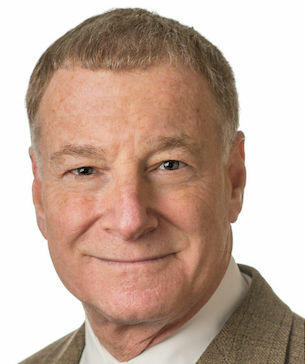
Maia Kayal MD, on Diagnosing and Monitoring IBD
Dr Kayal reviews her presentation at the AIBD regional meeting in Dallas on identifying IBD mimics, ensuring accurate diagnosis, and monitoring through biomarkers and imaging to ensure the best patient outcomes.
Maia Kayal, MD, MS, is an assistant professor in the Division of Gastroenterology at the Icahn School of Medicine at Mount Sinai and The Susan and Leonard Feinstein Inflammatory Bowel Disease (IBD) Center in New York City, New York.
Hi, my name is Dr. Maia Kayal. I'm an associate professor at the Icahn School of Medicine in New York City. I'm excited to be at AIBD regionals in Dallas this weekend where I just gave a talk on IBD diagnosis and monitoring. It's important when we make a diagnosis of IBD to rule out other IBD mimics—that is, conditions that could present similar to IBD for patients with colitis. These can include medication-induced colitis like checkpoint inhibitor-induced colitis or NSAID-induced colitis or mycophenolate-induced colitis. For patients that are presenting with ileitis, certain IBD mimics include infection or NSAID- induced ileitis. And so a history is key to differentiate what the condition could be for patients that are presenting with signs and symptoms that are reminiscent of IBD.
We also talked about monitoring in IBD, and this is particularly important as we strive to mucosal healing for all patients with IBD. The STRIDE 2 guidelines talk about incorporating clear treatment targets, short- intermediate-, and long-term, for our patients with IBD, as this is associated with improvement and long-term outcomes. Short-term targets include clinical response. Intermediate-term targets include clinical remission, biomarker normalization, and growth in our pediatric patients. And long-term treatment targets include mucosal healing or endoscopic remission, normalization of quality of life, and the absence of disability.
Whether or not transmural healing or histologic healing can be seen as long-term treatment targets is still up for debate. We're not sure if these targets are aspirational or achievable, but what we all know universally is that mucosal healing is a must. This is associated with better long-term outcomes, less admissions, less steroid, less surgeries for our patients with Crohn's disease and ulcerative colitis.