Indications, Planning, and Technical Aspects of PMEGs Based on a Cross-Sectional Global Survey

Imaging Institute of Southern Switzerland, EOC, Lugano, Switzerland
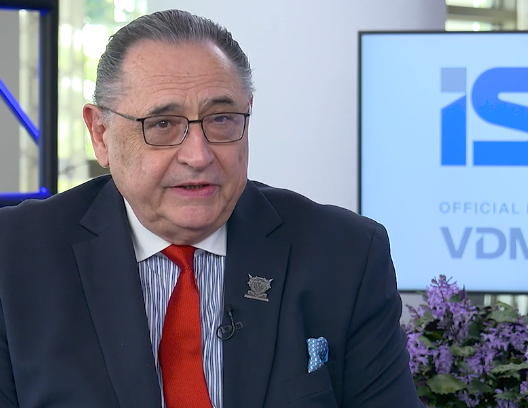
Physician-modified endografts (PMEGs) have become a vital option for complex aortic repair, but global practice remains highly variable and largely experience-driven. Speaking to LINC Today, Maria Antonello Ruffino (Imaging Institute of Southern Switzerland, EOC, Lugano, Switzerland) shared insights from a cross-sectional survey that maps where consensus exists (such as ruptured or symptomatic complex aneurysms when off-the-shelf devices are unsuitable), where indications and planning thresholds diverge, and how geography and operator volume shape decision-making.She also highlighted the most error-prone steps in PMEG planning, the role of templating, and why a credible framework for standardized indications, planning minimums, training, and governance is now essential.
Your global survey shows wide variability in PMEG practice. Which indications had the strongest consensus, and which were the most polarizing across regions and experience levels?
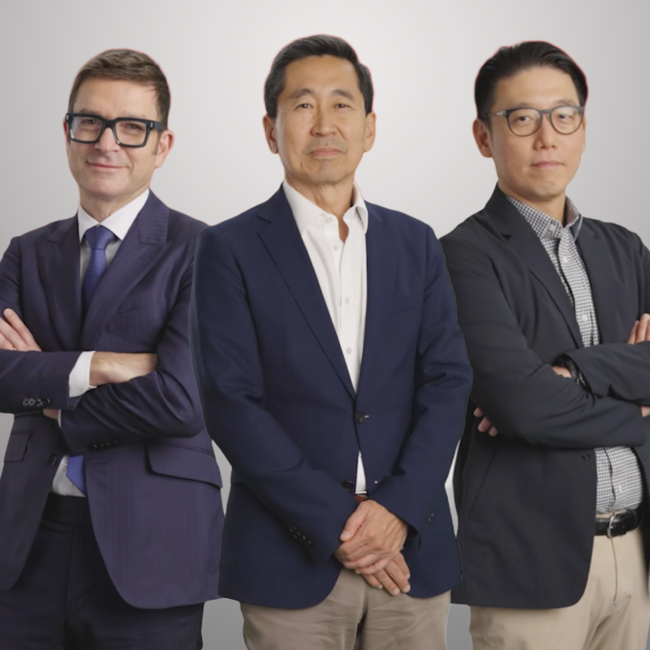
The idea for a survey exploring real‑world practice in the field of PMEGs arose during a long, sleepless night in the hospital, as three colleagues and friends (Dr Prouse, Dr Robaldo and myself) waited to begin a complex abdominal aneurysm repair with a PMEG. The project grew from a simple but pressing clinical question: How aligned are indications, planning strategies, and technical choices in real‑world global practice?
To move beyond individual experience and anecdote, we decided to reach out to the international community and design a global cross-sectional survey. Our aim was clear – to capture real‑world practice patterns, identify areas of consensus and variability, and lay the groundwork for future standardization.
The clearest consensus emerged around the use of PMEGs in ruptured and symptomatic complex abdominal aortic aneurysms, as well as in juxtarenal complicated penetrating aortic ulcers – particularly when off-the-shelf solutions were unavailable or unsuitable. These indications were remarkably consistent across geographic regions and operator experience levels.
Conversely, post-dissection aneurysms, complex redo cases, and scenarios involving severe target-vessel stenosis represented the most polarizing indications. Here, practice varied substantially, especially between high- and low-volume operators and among different regions. This divergence likely reflects differing levels of confidence in managing anatomical complexity, as well as variable institutional risk tolerance.
Geography mattered in your survey, with US respondents less likely to use PMEGs for post-dissection aneurysms and for severe target-vessel stenosis. What do you think drives that difference?
In our view, this difference is largely driven by limited access in the US to commercially manufactured fenestrated and branched devices. This constraint has historically shaped distinct training pathways and encouraged the development of alternative therapeutic strategies. As a result, PMEG adoption and indications have evolved differently compared with regions where such devices are more readily available.
What sealing-zone target do you personally advocate, and what factors make you tighten or relax it?
Both the survey results and clinical rationale support a 20 mm proximal sealing zone as a reasonable default target. However, this threshold should be individualized. We tend to increase the sealing length in the presence of hostile neck anatomy, significant thrombus or calcification, and post-dissection morphology.
Conversely, shorter sealing zones may be acceptable in straight, healthy aortic segments with good wall quality and stable diameters – but, in our practice, never below 15 mm.
Only about one in five respondents routinely used 3D-printed templates (mostly in-house), while most did not. Where do you believe 3D printing adds real safety or efficiency in fenestration positioning, and where is it unnecessary?
The survey suggests that 3D printing is most valuable during the learning curve and in cases of complex anatomy, where precise fenestration positioning is critical. Its main limitations remain limited availability, cost, and the time-consuming sterilization process where permitted. That said, newer alternative templating systems are emerging. These solutions are faster, less expensive, and increasingly accessible, with early results showing promise. They may represent a more practical and scalable option for routine PMEG planning.
It seemed experience really mattered, with only about one-fifth of operators having done more than 30 PMEG cases. Which steps do you think represent the true learning curve, and which should be standardized from day one?
The true learning curve encompasses the entire workflow – from computed tomography scan analysis and measurement extraction to accurate transfer of data onto the graft and final planning decisions. These steps require experience and a deep understanding of anatomy and device behavior. In contrast, back-table modification techniques should be standardized from day one. Standardization is key to minimizing avoidable errors and reducing unnecessary variability between operators and centers.
What are the most error-prone points in PMEG planning and back-table modification, and what checks do you consider non-negotiable to prevent them?
The most error-prone steps include circumferential positioning of fenestrations, accounting for oversizing when defining fenestration height, proper re-sheathing of the device, and avoiding twisting or infolding at fenestration level.
Non-negotiable safety checks should include independent verification of all measurements, systematic orientation checks before and after re-sheathing, and a final ‘dry run’ alignment against preoperative planning images.
How do you approach target-vessel complexity during planning, and when does that push you away from PMEG toward another solution?
Small vessel diameter, severe stenosis, and extreme take-off angles undoubtedly increase technical complexity and procedural risk. However, the survey suggests that these challenges are not unique limitations of PMEGs, but rather common to all advanced endovascular solutions, including off-the-shelf devices and fenestrated/branched grafts. Careful planning and experience are therefore critical, rather than the choice of technology alone.
Medicolegal concerns were common in the survey, with only a small minority reporting none. What governance framework do you think institutions need for PMEG programs?
Only 16.1% of respondents reported no medicolegal concerns. This highlights the absence of a robust and standardized governance framework for PMEG programs. Clear institutional policies are needed, including standardized informed consent.