Vulvar Dermatology Decoded: Contact Dermatitis, Lichen Sclerosus, and the Menopause Overlap
At the 2026 Masterclasses in Dermatology Annual Meeting, Melissa Mauskar, MD, FAAD, delivered a clinically rich and practical discussion drawn from real-world experience in a dedicated vulvar dermatology clinic. Her message to dermatologists was direct: Treatment failures are often preventable, and commonly self-inflicted.
“Patients almost always have more than one diagnosis,” Dr Mauskar emphasized, highlighting the importance of avoiding diagnostic tunnel vision in vulvar disease. Overcleaning is a frequent culprit, and the anogenital region is at particularly high risk for contact dermatitis.
Irritant contact dermatitis accounts for approximately 80% of cases and results from disruption of the epidermal barrier due to repeated exposure to soaps, cleansers, solvents, and moisture. Allergic contact dermatitis is also common, with an estimated incidence of 20% to 30% among patients with chronic vulvar conditions.
Consumer products marketed as “unscented,” “sensitive,” or “natural” are not necessarily safer. Dr Mauskar noted that 100% of the most popular wipes in 2022 contained allergens. Botanicals, including tea tree oil, propolis, sea buckthorn oil, and vitamin E, are prevalent in vulvar balms and moisturizers and may contribute to sensitization.
Lichen sclerosus remains a central diagnosis in vulvar dermatology. Untreated disease can lead to progressive architectural changes “even if patients do not have symptoms.” First-line therapy is an ultrapotent topical corticosteroid for 4 to 12 weeks until texture normalizes, followed by long-term maintenance. Addressing steroid phobia and demonstrating correct application technique are critical management pearls.
Lichen simplex chronicus represents the end stage of multiple conditions and requires aggressive interruption of the itch-scratch cycle. Treatment includes potent topical steroids twice daily for 4 weeks, continued therapy after symptom resolution, elimination of irritants, and nighttime antipruritic agents, such as hydroxyzine, gabapentin, or duloxetine. “Ending the itch-scratch cycle takes time,” she reminded attendees.
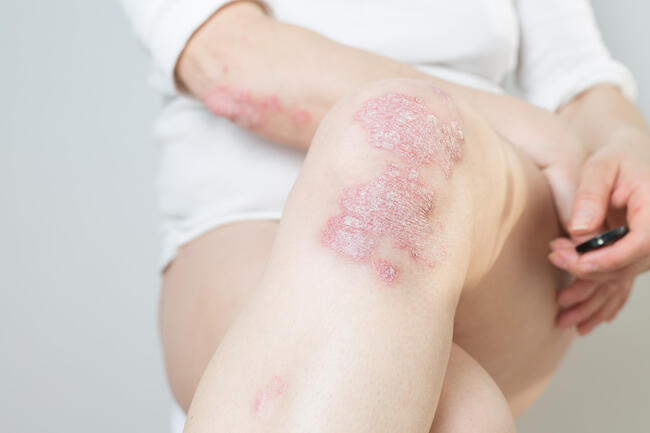
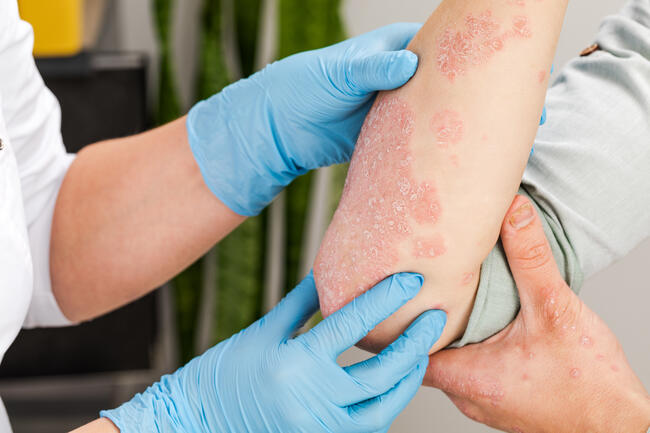
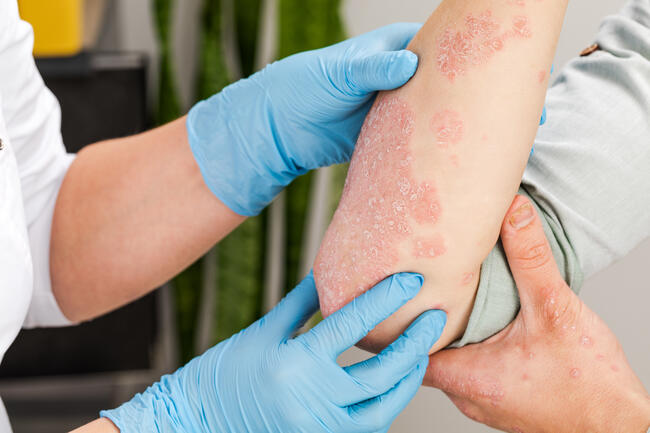
Inverse psoriasis is frequently misdiagnosed as candidiasis or intertrigo. In one survey, 63% of patients with psoriasis reported genital involvement, with a substantial impact on sexual function. Management often requires a combination of topical therapy and, in refractory cases, systemic biologics targeting IL-17A, such as ixekizumab or secukinumab.
Dr Mauskar also discussed hidradenitis suppurativa, noting that early in-office deroofing procedures can be “a game changer” for draining tunnels and increasing patients’ quality of life.
Finally, she addressed genitourinary syndrome of menopause and vulvovaginal atrophy. Women now spend more than 40% of their lives postmenopausal, and urinary incontinence and atrophy are common but treatable. Level 1A evidence supports vaginal estrogen therapy using creams, tablets, or rings.
Dr Mauskar closed by underscoring the importance of coordinated care and patient education. In vulvar dermatology, attention to irritants, correct diagnosis, and multidisciplinary management can transform outcomes.
For more meeting coverage, visit the Masterclasses in Dermatology newsroom.
Reference
Mauskar M. Vulvar dermatoses: practical pearls from the clinic. Presented at: Masterclasses in Dermatology; February 19–22, 2026; Sarasota, FL.