Exploring GLP-1 Therapy in Psoriatic Disease and Hidradenitis Suppurativa
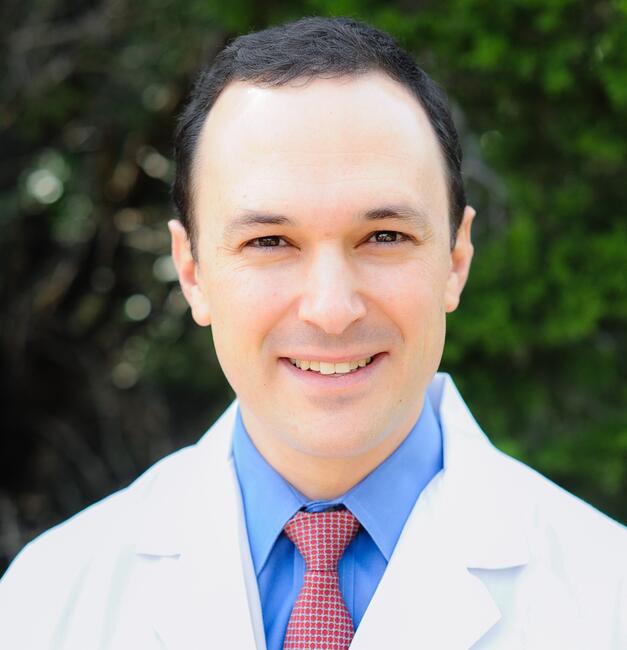
Our understanding of psoriatic disease and hidradenitis suppurativa (HS) is evolving, and with it the recognition of their deep connections to cardiometabolic health. Far from being isolated skin conditions, these chronic inflammatory disorders frequently coexist with obesity, insulin resistance, diabetes, and elevated cardiovascular risk. In this interview, Dr Jonathan Aun draws from cardiovascular outcome data, plaque imaging research, and his experience at the intersection of cardiology, rheumatology, and dermatology to demonstrate how glucagon-like peptide-1 (GLP-1) therapy traditionally used for metabolic disease may offer downstream anti-inflammatory benefits for patients with psoriatic disease and HS.
CLINICAL CONTEXT AND RATIONALE
The Dermatologist: GLP-1s are traditionally associated with metabolic disease. What first signaled to you their potential role in dermatology?

Dr Aun: Dermatology and cardiometabolic prevention are increasingly intertwined. We are seeing how chronic systemic inflammation and adiposity amplify insulin resistance and accelerate atherosclerosis. And I approach this as a cardio-dermatologist and cardio-rheumatologist, with specialty training in advanced cardiovascular imaging, focusing on therapies that reduce inflammatory burden while improving long-term vascular outcomes. Two things caught my attention early on. First, the comorbidity pattern. It is important for clinicians and our patients to recognize that psoriasis and HS are not isolated skin diseases. They are often packaged with obesity, diabetes, and higher cardiovascular risk. Second, once GLP-1 therapies started showing consistent reductions in major adverse cardiovascular events (MACE) in large randomized controlled trials, it became practical to ask whether there could be a meaningful downstream impact on inflammatory skin disease, especially in patients where adiposity is clearly amplifying the phenotype. As an analogy from cardiology, colchicine is an example of a targeted anti-inflammatory drug that reduces cardiovascular events in randomized controlled trials. And in newer plaque imaging work, it appears to influence plaque biology. That makes it easier to imagine that a therapy with both metabolic and anti-inflammatory effects could be clinically relevant to our patients with inflammatory skin diseases as well.
The Dermatologist: How do the pathophysiologic links between obesity, systemic inflammation, and skin disease justify the exploration of GLP-1s in dermatology?
Dr Aun: I think of it as a shared loop. Adipose tissue in immunologically active insulin resistance and ectopic fat amplify cytokine signaling, which feeds both the vascular disease and cutaneous manifestations. In psoriasis, the odds of obesity rise with severity; in HS, there is a strong clustering with metabolic syndrome, particulary obesity and diabetes. That is why GLP-1 therapy makes sense as an adjunct in patients with cardiometabolic indications: we can target the metabolic axis while potentially improving the inflammatory phenotype as well.
MECHANISMS AND EMERGING DATA
The Dermatologist: What are the proposed anti-inflammatory mechanisms of GLP-1s relevant to psoriatic disease and HS?
Dr Aun: Patients ask me about this often. Mechanistically, I describe it in layers. One layer is direct metabolic remodeling. GLP-1 therapy can drive weight reduction and improved insulin resistance, which in turn lowers adipose-driven inflammatory signaling. The other layer is the indirect vascular and immune effects that are suggested in experimental work. The endothelial biology, such as macrophages, foam cell behavior, and inflammatory cytokine pathways, is being acted on. In practice, I keep the message grounded with my patients: the highest-grade evidence is cardiometabolic outcomes. The skin specific effects are promising, but they are still heterogeneous.
On the vascular side, a February 2026 Journal of Clinical Investigation article pulled the story together. In experimental models, GLP-1 signaling is associated with plaque stabilization, less inflammatory activity, thicker fibrous caps, and less foam cell formation. It also suggests myocardial protection against ischemia reperfusion, specifically in the post myocardial infarction setting. This is preclinical, but it explains why outcome trials have shown fewer events in humans.
The most concrete plaque biology data we currently have are imaging studies. For example, there was a 26-week randomized placebo-controlled trial in type 2 diabetes looking at GLP-1 therapies that reduced a positron emission tomography/computed tomography (CT) signal of coronary inflammation compared with placebo. There are also prospective registries of patients with diabetes showing an association between GLP-1 therapy and regression of non-culprit plaque burden over 1 year as measured by serial coronary CT angiography. However, this was not randomized, so I treat it as supportive data rather than definitive evidence of plaque regression.
The Dermatologist: Are there particular biomarkers or clinical indicators that may help predict response to GLP-1s in these patients?
Dr Aun: Right now, the best predictors are clinical. The patients most likely to benefit are those with obesity, type 2 diabetes, metabolic syndrome, and established atherosclerotic cardiovascular disease (ASCVD) and I also consider patients with heart failure with preserved ejection fraction (HFpEF) in the setting of obesity. For psoriasis, the pooled evidence suggests only a modest improvement on average, with a stronger signal seen in heavier patients and those with type 2 diabetes. For HS, I am careful not to promise skin clearance. There are early perspective signals, but sample sizes remain small, so we need larger studies to define who benefits most.
PATIENT SELECTION AND CLINICAL APPLICATION
The Dermatologist: In your practice, what clinical profiles or comorbidities make a patient a candidate for GLP-1 therapy in dermatologic settings?
Dr Aun: I start with approved cardiometabolic indications, and then I layer that in the dermatologic context. The strongest patient profile is established ASCVD with overweight or obesity even without diabetes. For these patients, the SELECT trial, published in 2023, showed lower MACE. Second, for patients with type 2 diabetes, the cardiovascular outcome trials and meta-analyses from 2021 to 2024 showed lower MACE and kidney events. Third, for patients with HFpEF with obesity, the STEP-HFpEF trial, published in 2023, showed better symptoms and function. And lastly, patients with psoriatic disease or HS with clear metabolic syndrome or diabetes, where cardiometabolic risk reduction is clinically urgent, are strong candidates.
For patients with psoriatic disease or HS who have obesity and type 2 diabetes, especially when cardiovascular risk is elevated, GLP-1 therapy is not just a weight loss drug; it is tied to cardiovascular benefits. I also think it is important for dermatologists and cardiologists to coordinate our decisions with endocrinology so we are pairing these choices with guideline-based prevention, whether it be blood pressure control, lipids and glycemic control, and/or smoking cessation, to provide a targeted tailored therapy for the skin biology that is so closely interlinked with heart disease.
The Dermatologist: How do you approach initiating GLP-1s in patients already on biologics or systemic therapies?
Dr Aun: I treat GLP-1s as an adjunctive therapy. If a patient is well controlled on a biologic, I am not swapping their immunotherapy for a metabolic drug. Instead, I align expectations up front: the primary evidence-based goals are weight reduction, cardiometabolic risk reduction, and in the right patients, fewer cardiovascular events. Any psoriasis or HS improvement is a potential additional benefit, but not something I promise. Particularly, I coordinate the titration timing with their systemic therapy schedule, I monitor their tolerability by starting low and going slow, and I track objective metrics with their dermatologist to ensure that we can be honest about what is changing for them.
The Dermatologist: What barriers have you encountered around insurance approvals or access when using GLP-1s outside of diabetes and weight loss?
Dr Aun: Coverage is often the biggest real-world barrier when the primary diagnosis is skin disease, and this is where timing matters. In December 2025, the World Health Organization issued a global guideline positioning obesity as a chronic disease, supporting long-term pharmacotherapy combined with intensive lifestyle intervention in appropriate adults and emphasizing access, equity, and health system readiness. Even with that guidance, access can still be limited by payer criteria and supply. So, I think it is important that dermatologists and those of us practicing in the cardio-dermatology space document body mass index (BMI), comorbidities, and cardiovascular risk early. This kind of documentation helps align the clinical story with payer requirements and improves the chances that our patients can actually access therapy.
OUTCOMES AND MONITORING
The Dermatologist: What kind of cutaneous, joint related, and metabolic improvements have you observed in patients treated with GLP-1s?
Dr Aun: I describe improvements in 3 different buckets. First, cardiometabolic outcomes: in the right high-risk populations, we see reductions in MACE and in patients with type 2 diabetes, thre are also data supporting improved kidney outcomes. And importantly, in patients with established ASCVD and overweight or obesity without diabetes, the SELECT trial showed fewer cardiovascular events. Second, I look at functional outcomes, such as meaningful improvements in patients’ HFpEF symptoms and walking distance, with substantial weight loss. Third, dermatologic outcomes: for psoriasis, studies have shown modest Psoriasis Area and Severity Index (PASI) improvements overall, with heterogeneity. And for HS, there have been some early small perspective signals, including improved anthropometrics and quality of life metrics. So, I tell patients the cardiometabolic benefits are the most certain, while the dermatologic benefits are promising but still being defined. More research is needed with larger trials, and that is exactly where the field is headed and why this is such an exciting area in cardio-dermatology.
The Dermatologist: What are your monitoring protocols for dermatologic patients using GLP-1s, especially those without classic metabolic indications?
Dr Aun: My baseline is cardiometabolic and safety focused, plus standardized dermatologic tracking. When I partner with our dermatologist as a cardio-dermatologist, I document weight, waist circumference, blood pressure, HbA1c, fasting lipids, and renal function. I provide a structured ASCVD risk review, recognizing that pooled cohort equations often underestimate the risk for our patients. For patients with psoriasis, I track their skin condition with PASI or a simplified psoriasis score. For patients with HS, I look at Dermatology Life Quality Index staging, considering flare frequency and paying close attention to patient reported pain and function. As a cardiovascular imager, I also consider coronary calcium score imaging when it is appropriate for our patients, especially in those who have severe disease or multiple risk factors. These additional tests help me offer more appropriate tailored treatments to lower future cardiovascular risk.
RISKS, ADHERENCE, AND COUNSELING
The Dermatologist: What safety concerns do dermatologists need to be aware of when using GLP-1s in patients without diabetes?
Dr Aun: Gastrointestinal (GI) effects are probably the most common and what drive discontinuation for many of our patients. Dehydration can also matter in more vulnerable patients. One area that I want to bring attention to is eye safety, and it is important to separate diabetic retinopathy from non-arteritic anterior ischemic optic neuropathy (NA-ION). In the SUSTAIN-6 trial that came out in 2016, diabetic retinopathy complications were more frequent with semaglutide than placebo. Subsequent analyses supported an “early worsening” phenomenon in patients who had preexisting retinopathy and experienced a large, rapid drop in HbA1c. So, for patients with diabetes and retinopathy, it is important to make sure that your patients have a dilated retinal exam and coordinate their eye care if they have known retinopathy or if they expect a big HbA1c reduction.
NA-ION is different. It is an ischemic injury to the optic nerve that is very distinct from diabetic retinopathy. Observational studies, not randomized controlled trials, have shown an association between semaglutide and NA-ION, and authors have noted that causality is unproven. Some comparative real-world analyses suggest higher relative risk vs an SGLT2 inhibitor for comparison. But I want to emphasize these small reviews highlight that patient factors likely matter in the absolute risk increase. You can provide actionable counseling for your patients that if they develop any sudden painless vision loss in one eye or a new shadow or curtain, or they are missing a field of vision or have sudden dimming or loss of contrast or brightness, it should trigger a same-day evaluation.
One other important safety issue is for patients undergoing procedures. GLP-1 therapies can slow gastric emptying, so it is important to discuss planned procedures, particulary for those involving anesthesia or deep sedation. A 2024 American Society of Anesthesiologists consensus statement recommended holding daily agents on the day of the procedure and weekly agents for a week prior, which is largely out of caution. More recently, there have been multi-society perioperative guidelines emphasizing that most patients can continue the medication before elective procedures, but ultimately it is a risk stratified approach. Practically, I tell patients to always inform the anesthesia team that they are on GLP-1 therapy and follow the procedural team’s specific instructions to maintain safety.
The Dermatologist: Have you found any effective strategies for improving adherence or managing tolerability issues such as GI side effects?
Dr Aun: I set expectations early. I tell patients that it is important to take smaller meals and prioritize protein first and hydration, and I couple that with slowly titrating the medication. If nausea is an issue, I do not rush escalation for GLP-1 therapy. I emphasize that obesity treatment is a long-term focus, and stopping therapy will often lead to rebound weight gain. What we are aiming for is a sustainable plan rather than a quick sprint. I partner with patients and let them know that we are in this together and we are going to take it slowly.
One of the things that I think is very important for patients being prescribed GLP-1s is muscle mass preservation. This is a nuance that is easy to miss with medication assisted weight loss. Patients are going to lose some lean mass, so I try to counsel about that upfront. My default counseling is that I want patients to engage in resistance training at least 2 to 3 times a week, and I want them to have adequate protein and simple function tracking, which I perform in my clinics. I do a sit to stand, I perform a grip strength, and I do a walking test for my most vulnerable patients. If I am worried about sarcopenic obesity in older individuals, I consider formal body composition assessments and I also partner closely with a nutritionist expert to make sure my patients are taking the appropriate amount of protein for their age and weight. I encourage physical therapy early on to maintain muscle mass, so it is not lost as well.
THE FUTURE OF GLP-1s IN DERMATOLOGY
The Dermatologist: How do you see the future of GLP-1s evolving within dermatology? Do you expect formal indications or trial data in psoriatic disease or HS?
Dr Aun: This is an exciting area for the field of cardio-dermatology. I do expect more formal dermatology and rheumatology trials because there is so much overlapping in phenotype and biology. The key will be powering our studies appropriately, enrolling enough patients, stratifying by BMI and diabetes status, and standardizing our endpoints. There is also a growing interest in combination strategies with psoriatic arthritis where trials are utilizing dual endpoints, meaning a clinical response paired with clinically meaningful weight reduction. Until those results are published in peer-reviewed literature, I view them as important signals of where the field is headed rather than practice changing evidence. And more broadly, there are now some late-stage randomized controlled studies testing a combined strategy of an IL-17A pathway inhibitor used concomitantly with a GLP-1 receptor agonist in patients with psoriatic disease and overweight or obesity. To me, this reflects the direction of the field: treating inflammatory disease biology and obesity biology together in a more integrated way.
The Dermatologist: What unanswered clinical questions are top of mind for you regarding GLP-1 use in inflammatory skin disease?
Dr Aun: For me, the first question is what is the true effect size on PASI scores and HS severity in adequately powered and randomized trials and which subgroups are going to benefit the most? Second, can we link changes in systemic inflammation and vascular imaging markers to long-term outcomes and inflammatory skin disease populations? And third, how do we best combine metabolic therapy with biologics to optimize the inflammatory control and ASCVD prevention while preserving lean mass and function? As a cardio-dermatologist and imaging specialist, I am excited to partner with dermatologists and with our patients to improve their outcomes.
Conclusion
GLP-1 receptor agonists represent a promising bridge between metabolic and inflammatory care, particularly for patients whose skin disease is intertwined with obesity and cardiovascular risk. While the strongest evidence to date supports their cardiometabolic benefits, including reductions in MACE and improvements in HFpEF symptoms and function, their dermatologic impact remains an area of active investigation. As research progresses, collaboration among dermatologists, cardiologists, endocrinologists, and rheumatologists will be essential to define patient selection, optimize combination strategies, and clarify long-term outcomes. For now, GLP-1 therapy can be viewed as a strategic adjunct in appropriately selected patients, reflecting a broader shift toward integrated, systems-based care in inflammatory disease.