Cosmetic Tools in Dermatologic Disease
At the 2026 Masterclasses in Dermatology Annual Meeting, Heather Goff, MD, MPH, delivered a practical session highlighting how cosmetic interventions can meaningfully improve medical dermatologic conditions. Her message: Aesthetic tools, when thoughtfully applied, can address functional and inflammatory disease burdens.
In scleroderma-related perioral tightening, autologous fat grafting has been described but is limited by fat necrosis, encapsulation, and irreversibility. Hyaluronic acid fillers have largely replaced fat grafting because they are accessible and adjustable. In digital ulcers, fat grafting around neurovascular bundles has been performed cautiously (≤1 mL per bundle) to avoid ischemia.
Acne scarring resurfacing in patients on isotretinoin has evolved. In a split-face randomized trial, fractional ablative CO₂ laser performed concurrently with isotretinoin resulted in significantly lower global acne scarring scores compared with delayed laser treatment (4.7 ± 2.5 vs 7.7 ± 2.9; P<.001). These findings challenge the traditional delay paradigm.
Preprocedural topical tretinoin also enhances outcomes. In a study of 35% trichloroacetic acid peels, “frosting” was more pronounced and uniform in tretinoin-pretreated skin in 94% of patients, with faster healing on days 3, 5, and 7.
Retinoids in rosacea are another controversial topic. Although concerns exist regarding irritation in “flusher-blushers,” long-term treatment with 0.025% tretinoin was “surprisingly well-tolerated,” with gradual but meaningful improvements over 4 to 6 months. By 4 months, about 70% achieved satisfactory remission, including reductions in persistent erythema and telangiectasia.
For refractory flushing, hyperdilute botulinum toxin type A offers another option. A 50-unit vial diluted to 1 U per 0.1 mL injected intradermally in a 1-cm grid (0.5 U per injection) across affected facial regions has been applied in erythromelalgia and facial flushing.
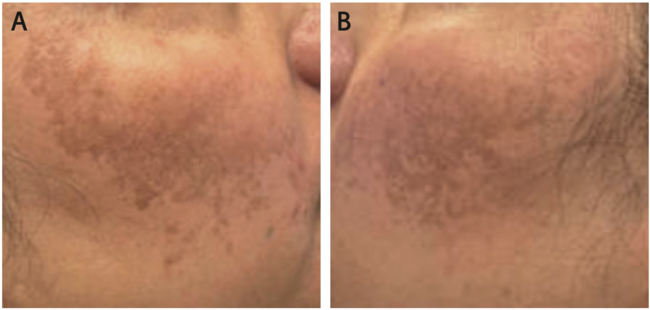
In pigmentary disease, oxidative stress plays a central role. Serum malondialdehyde, superoxide dismutase, and glutathione levels were significantly higher in patients with melasma compared with controls (P<.01), with malondialdehyde correlating with severity. Astaxanthin, a carotenoid antioxidant, reduced systemic oxidative stress and altered residual skin surface components in middle-aged adults taking 4 mg/day for 4 weeks.
For more meeting coverage, visit the Masterclasses in Dermatology newsroom.
Reference
Goff H. Cosmetic treatments for medical conditions. Presented at: Masterclasses in Dermatology; February 19–22, 2026; Sarasota, FL.