AI, Smart Screening, and Smart Glasses: What Dermatologists Need to Know About Tech in 2026
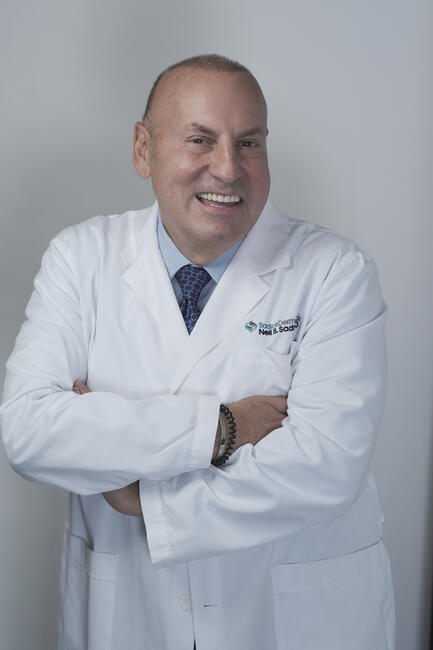
During his Masterclasses in Dermatology session, “Technology Update,” Daniel Mark Siegel, MD, MS, delivered a wide-ranging technology update aimed at exploring tools that may improve practice efficiency. His objectives were simple: “Stay informed and out of trouble when it comes to using technology.”
Dr Siegel opened with a cautionary reminder about ambient artificial intelligence (AI) documentation. If you use AI to generate notes, “be sure to read the note before signing it. Same as you should for every note all the time. If not, bad things can happen.” Overreliance on templates, either old or new, remains a medicolegal risk.
When it comes to choosing the “best AI,” his answer was pragmatic: “That can change from moment to moment.” Physician-focused platforms are emerging, including Konsuld, a free medical AI and networking platform offering case feedback, specialty sorting, and clinical trial information. “Overall, it’s a nice platform,” Dr Siegel noted.
Doximity has earned the label of “Swiss Army knife of apps/websites.” Dr Siegel remarked that “It’s not just medical features, but practical features as well.” Features include secure voice, video, and texting; customizable caller ID for post-op calls; fax functionality; and DoxGPT—an AI tool integrated into the platform. “Every medical AI has guardrails around it,” but Dr Siegel emphasized that medicolegal exposure is evolving, “lawyers are always looking for new ways to make your life miserable. Meet your new co-defendant.” The defense of “the AI made me do it!” may not hold up.
Smart glasses and augmented reality also entered the conversation. Potential uses include ambulatory transcription, real-time database searches, and 3D anatomical overlays for procedures, which is particularly relevant to toxin and filler injections. These technologies remain in the early stage, but regulatory scrutiny is coming.
Skin cancer screening technologies are expanding as well. SkinVision, a regulated medical device in parts of Europe, Australia, and New Zealand, enables home lesion risk assessment and reportedly detected 10% of melanomas diagnosed in the Netherlands. DermaSensor, which is US Food and Drug Administration cleared for use by non-dermatologist primary care providers, offers high sensitivity and specificity, and may support extender training or aesthetic-focused practices.
DermTech’s Smart Sticker platform collects RNA and DNA from lesions to detect genomic changes before morphologic changes become visible. This objective assessment tool may be particularly useful in teledermatology, long-term care, or prescreened referral pathways.
Dr Siegel’s overarching message was balanced: Embrace innovation, but verify, document responsibly, and understand the legal landscape. In 2026, technology can elevate dermatology practice, but only when paired with clinical judgment and accountability.
For more meeting coverage, visit the Masterclasses in Dermatology newsroom.
Reference
Siegel DM. Technology update. Presented at: Masterclasses in Dermatology; February 19–22, 2026; Sarasota, FL.