Jordan Axelrad, MD, on Novel Treatments for C difficile Infection
Dr Axelrad recaps his presentation on the diagnosis and treatment for Clostridioides difficile infections, including appropriate two-step testing and novel therapies for recurrent infections.
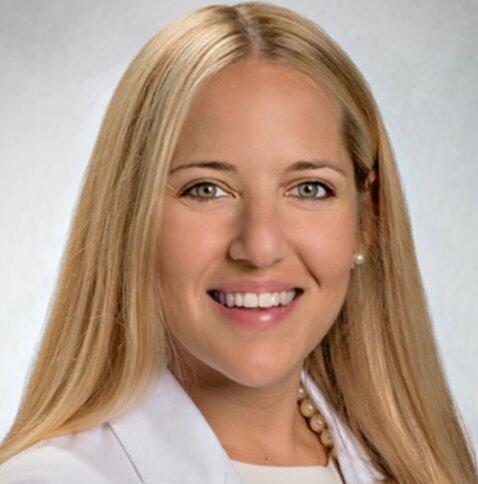
Jordan Axelrad, MD, is codirector of the Inflammatory Bowel Disease Center at NYU Langone Health and an associate professor of medicine at NYU Grossman School of Medicine in New York, New York.
CLINICAL PRACTICE SUMMARY:
- Updated guidelines endorse 2-step testing—screening (GDH EIA or PCR for toxin B) followed by toxin EIA confirmatory test—for accurate Clostridioides difficile infection diagnosis in patients with acute diarrhea.
- Standard-of-care treatment for C diff infection remain antibiotics, vancomycin or fidaxomicin (now generic), typically for 10–14 days.
- For multiple recurrences, FDA-approved microbial therapeutics—Rebyota (enema/colonoscopy) and Vowst (oral capsules post–bowel prep)—are replacing unapproved FMT and may be payer-covered.
TRANSCRIPT:
I’m Jordan Axelrad. I am codirector of the Inflammatory Bowel Disease Center at NYU Langone Health and an associate professor of medicine at NYU Grossman School of Medicine. And I'm here at the American College of Gastroenterology annual meeting where I discussed topics related to Clostridioides difficile or C difficile infection at the postgraduate course. Specifically this year at the postgrad course, we reviewed some of our new novel microbial therapeutics that are utilized for the prevention of recurrence of C difficile infection.
So as part of this talk, we reviewed how we diagnose C diff, which we've had recent guideline updates that confirmed that C diff should be evaluated using 2-step diagnostic testing with either a screening test, which is a glutamate dehydrogenase EIA, or PCR for toxin B. So use your screening test followed by a confirmatory test, which ought to be a toxin immunoassay toxin EIA as well.
And utilizing your screening plus confirmatory test can help you determine whether your patient has C difficile infection in somebody with acute diarrhea. Once you have that diagnostic test settled and you feel confident the patient has C diff infection, next you're thinking about C diff treatment. And there are two FDA-approved options as a standard of care antibiotic, which include vancomycin and also fidaxomicin, which is recently generic.
And so following these treatments, many patients may experience recurrence of C difficile. That's also when your diagnostic testing is critically important because you want to make sure this is true recurrence of infection and not just either persistent colonization or another etiology. So for patients who have recurrence of C difficile, same treatment—they require standard of care antibiotic 10 to 14 days, either vancomycin or fidaxomicin.
And for patients with multiple episodes, we now have novel microbial fecal microbial-based therapies for prevention of recurrence. And those include Rebyota and Vowst. Now Rebyota is a product that is given as it's labeled by enema, but could also be done via a colonoscopy. And Vowst are oral capsules that are also given after a bowel prep or a bowel purge. And so typically the way the logistics of these preventative microbial therapies or live bacterial therapeutics work, patients will take their standard course of antibiotics. They'll then have a couple days of a washout, and then you'd give the microbial therapy either Rebyota or Vowst. These are rapidly replacing our conventional use of unapproved fecal microbiotic transplantation or FMT, and are viable options and may be covered by many payers. So that's a great resource for patients. Thank you.