Phillip Fleshner, MD, on the Top Things Surgeons Want Gastroenterologists to Know
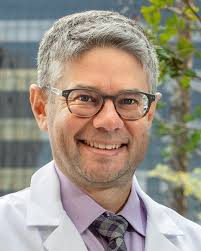
Phillip Fleshner, MD, delivered a direct, data-driven message to gastroenterologists: optimal inflammatory bowel disease (IBD) care demands earlier collaboration, clearer expectations, and a re-evaluation of long-held assumptions about surgery.
Dr Fleshner is director of Colorectal Surgery Research and holds the Shierley, Jesslyne, and Emmeline Widjaja Chair in Colorectal Surgery at Cedars-Sinai Medical Center in Los Angeles, California.
He emphasized the need to eliminate isolated decision-making, saying, “There is no excuse for working in silos.” He called for close collaboration across gastroenterology, surgery, radiology, and nutrition. Dr Fleshner also noted, “Early surgical consult does not equal sharpening our scalpels,” but rather is vital for to improving assessment, optimization, and long-term outcomes for patients.
“Steroids kill,” Dr Fleshner said bluntly. Prolonged or high-dose steroid exposure in patients likely to require surgery increases postoperative risks. He recommends tapering patients off steroids prior to surgery whenever feasible. He added that unlike steroids, immunomodulators and biologics can generally be continued safely.
Early ileocolic resection may alter the course of Crohn’s disease, Dr Fleshner continued. In one study, with a median 14-year follow-up, only 17% of patients in the laparoscopic resection group required additional surgery, and 59% never required anti-TNF therapy. In contrast, he explained, 63% of patients receiving biologics alone ultimately required Crohn’s-related surgery, and all required ongoing medication. He further highlighted that more than half of surgically treated patients were both surgery-free and medication-free long-term.
Early surgery can reduce recurrence, lower cumulative costs, increase the likelihood of minimally invasive procedures, and empower patients to regain control of their disease, Dr Fleshner stated.
Moving to the topic of operative management of anal fistulas, Dr Fleshner cited results from the PISA II trial and real-world evidence to reinforce that surgical closure—when feasible—achieves superior outcomes compared with anti-TNF therapy alone. MRI healing occurred in 58% of surgically treated patients, compared with 44% in medically treated patients, despite similar clinical remission rates.
“Preoperative optimization Is nonnegotiable” Dr Fleshner continued. There are several important factors that can be modified in advanced of surgery to improve patient outcomes. Low albumin and anemia and early abscess drainage are important factors to address in prehabilitation, and again, he stressed the importance of minimizing or removing steroids from patient treatment plans prior to surgery. These interventions meaningfully influence postoperative morbidity.
“One more dose of rescue therapy in UC is how patients die,” Dr Fleshner stressed. He advised that after IV steroids and one rescue class of therapy with infliximab, cyclosporine or JAK inhibitors, additional rounds of medical therapy significantly increase infectious complications and mortality. Early surgical involvement helps avoid catastrophic delays and enables operative planning and effective setting of expectations for patients. “Failing rescue therapy is not a personality flaw,” he stated.
Some IBD phenotypes such as fibrotic strictures, enteroenteric or enterovesical fistulas, and chronic obstruction, are surgical diseases, he noted. “Fibrotic ileal strictures are muscular hypertrophy, not a lifestyle choice.” In such cases, “If one advanced Rx hasn’t worked, the next won’t either. PROMISE.”
Dr Fleshner urged clinicians to stop labeling operative intervention as a failure. “Many IBD patients do need surgery, and it is not a failure of medical therapy,” Dr Fleshner said. “Surgery is another form of therapy, a ‘colorectalmab’. And it can offer the highest incidence of disease induction and a high incidence of disease remission to many of our sickest IBD patients.”
Fleshner P. Top 10 Things Every Surgeon Wants the GI to Know. Presented at: Advances in Inflammatory Bowel Diseases. Orlando, Florida. December 8-10, 2025.