Redefining Optimal Medical Therapy in Carotid Disease: Key Lessons from CREST-2
© 2026 HMP Global. All Rights Reserved.
Any views and opinions expressed are those of the author(s) and/or participants and do not necessarily reflect the views, policy, or position of Vascular Disease Management or HMP Global, their employees, and affiliates.
Mayo Clinic, Jacksonville, Florida
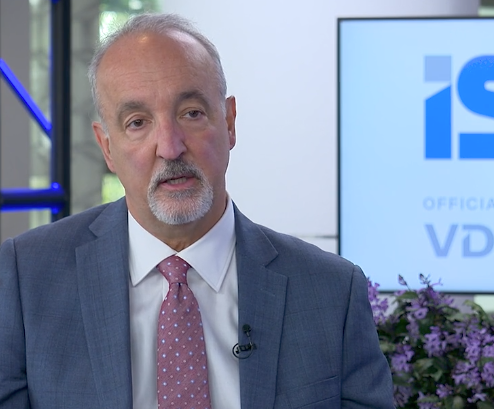
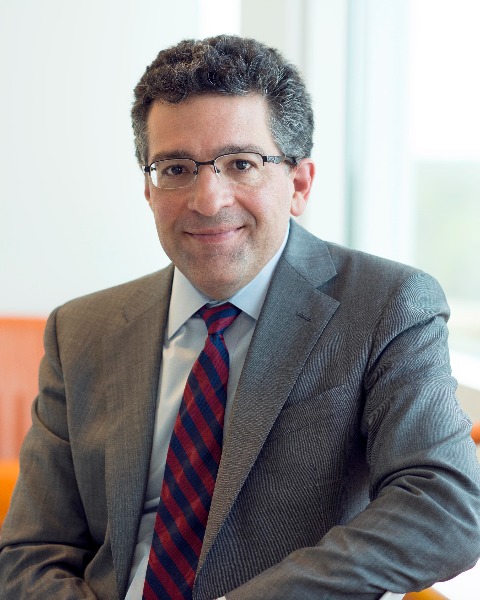
During a Monday afternoon session at ISET 2026, James F. Meschia, MD, from the Mayo Clinic in Jacksonville, Florida, delivered an overview of what “optimal medical therapy” means in contemporary carotid disease management. Drawing from the CREST-2 trial and other landmark trials, the presentation challenged attendees to rethink how aggressively and systematically vascular risk factors should be addressed, regardless of whether patients ultimately undergo carotid endarterectomy, carotid stenting, or are managed with intensive medical therapy alone.
He suggested that modern medical therapy is no longer passive or loosely defined. Patients in the CREST-2 trial were not simply prescribed medications; they were guided by lifestyle coaches, followed closely, and adjusted repeatedly until risk-factor targets were met. Blood pressure control, lipid lowering, diabetes management, smoking cessation, weight management, and physical activity were treated as core components of vascular care rather than adjuncts.
Dr. Meschia described the specifics of the CREST-2 medical management protocols, emphasizing how tight targets were operationalized in real patients. Systolic blood pressure goals evolved toward <130 mm Hg, low-density lipoprotein (LDL) cholesterol targets were set at <70 mg/dL, and non-high-density lipoprotein cholesterol, hemoglobin A1c, and body mass index were all actively monitored. Algorithms for antihypertensive selection, laboratory surveillance, and statin intensification were designed to remove uncertainty from day-to-day decision-making while allowing clinicians to individualize therapy for older patients and those with comorbidities.
Within months, patients in the CREST-2 trial achieved substantial improvements in systolic blood pressure and LDL cholesterol, and the data showed that once achieved, improvements in key vascular risk factors were sustained for years. Importantly, these results were consistent across both the stent and endarterectomy trial arms, highlighting that optimal medical therapy is foundational regardless of procedural strategy.
“Almost” meeting targets is not enough, he said. Small residual elevations in blood pressure or LDL cholesterol can translate into meaningful long-term risk, particularly in patients with carotid disease. In CREST-2, the rigor of follow-up and willingness to escalate therapy allowed sites to consistently hit targets.
Dr Meschia concluded his presentation by stating that contemporary carotid disease management is no longer a binary choice between intervention and medical therapy. Instead, it is a comprehensive, multidisciplinary effort in which optimal medical therapy is not a background variable but a primary driver of outcomes.