The Latest in Psoriasis Research
© 2026 HMP Global. All Rights Reserved.
Any views and opinions expressed are those of the author(s) and/or participants and do not necessarily reflect the views, policy, or position of the Dermatology Learning Network or HMP Global, their employees, and affiliates.
Visceral Adiposity Linked to Psoriasis Risk, With Inflammation as Partial Mediator
 Higher body roundness index (BRI), a measure of visceral adiposity, is associated with increased psoriasis (PsO) prevalence, and systemic immune activation may partially mediate this relationship, according to an analysis of US National Health and Nutrition Examination Survey (NHANES) data. The findings add mechanistic insight into the well-recognized link between obesity and PsO.
The cross-sectional study included 14,669 adults from NHANES cycles spanning 2003 to 2014. PsO was identified by questionnaire, and obesity was assessed using BRI. Multivariable logistic regression and restricted cubic spline analyses were used to evaluate the association between BRI and PsO, while mediation analyses examined the role of the systemic immune-inflammation index (SII).
Among participants, 445 had PsO. After adjustment for confounders, BRI was positively associated with PsO. Spline modeling demonstrated a nonlinear relationship, with an inflection point at a BRI of 5.103. On the left side of this threshold, higher BRI was significantly associated with PsO (odds ratio, 1.25), whereas no significant association was observed beyond the inflection point.
Mediation analysis showed that SII accounted for 9.48% of the association between BRI and PsO (P < 0.001), suggesting that systemic inflammatory burden partially explains the link between visceral adiposity and disease.
Reference
Zhang N, Li J, Song P. Association of BRI with psoriasis and mediator effect of SII: a study based on NHANES (2003–2006, 2009–2014). Mediators Inflamm. 2026;2026:7953174. doi:10.1155/mi/7953174
Biologic Therapy Improves Psychological Well-Being and Quality of Life in Psoriasis
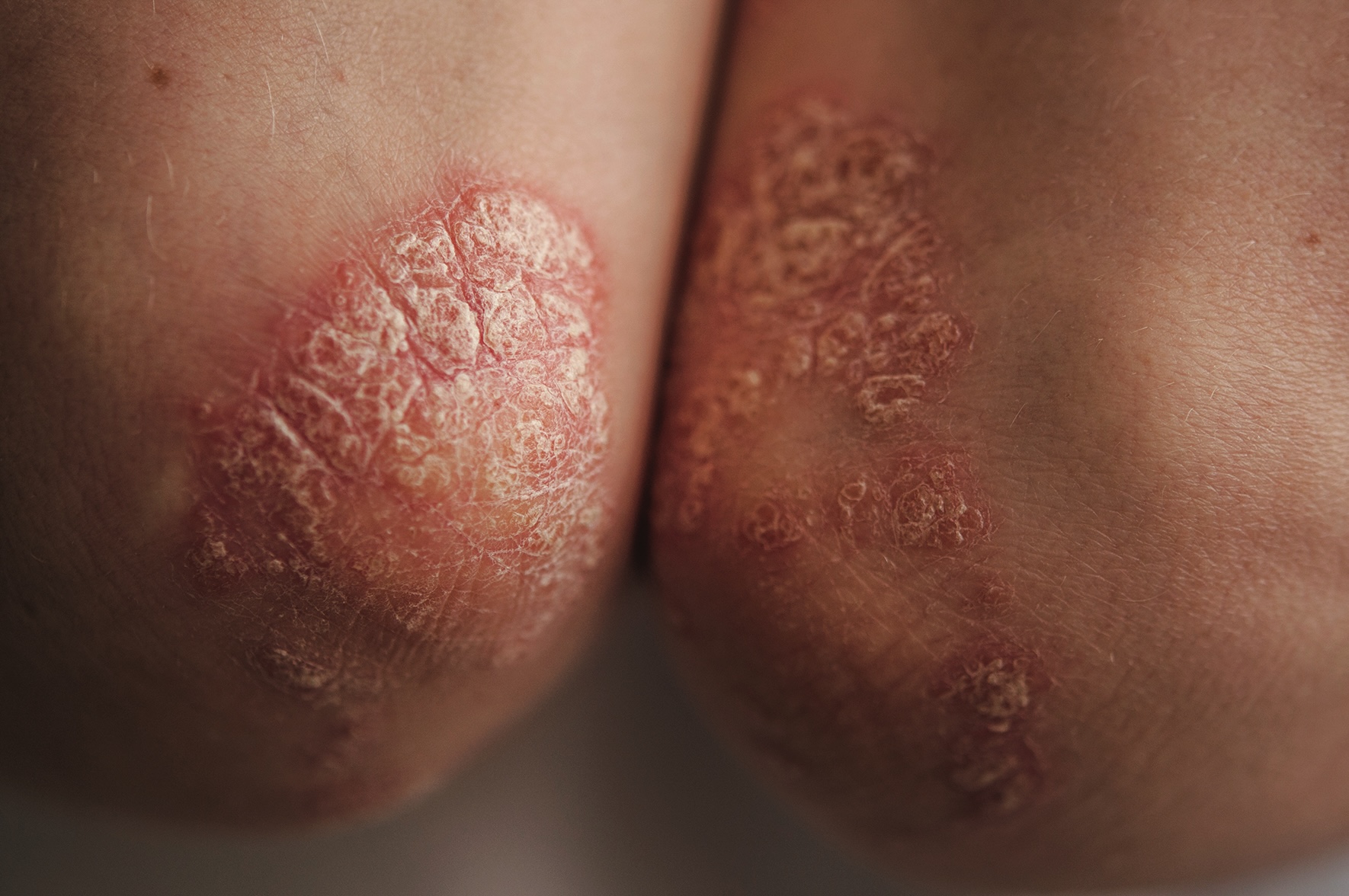 Biologic therapy for moderate-to-severe plaque psoriasis was associated with marked improvements in psychological distress and quality of life in a real-world clinical setting, according to an ambispective observational cohort study conducted in routine dermatology practice.
The study included 133 patients treated with biologics at a referral center in Northern Italy. Baseline clinical and psychological data were extracted from medical records, and follow-up assessments were performed at 6 months. Measures included the Psoriasis Area and Severity Index (PASI), Patient Health Questionnaire-9 (PHQ-9), Brief Symptom Inventory, Perceived Stress Scale, Dermatology Life Quality Index (DLQI), and World Health Organization Quality of Life Scale.
At follow up, significant reductions in depression symptoms were observed. PHQ-9 scores decreased (P < 0.001), with moderate-to-severe depression prevalence declining from 28.6% at baseline to 5.3% at 6 months. Substantial perceived stress dropped from 15.0% to 1.5% and dermatology-specific quality of life improved markedly, with 89.5% of patients reporting minimal impact (DLQI 0–1).
Skin outcomes were robust, with 77.4% achieving complete clearance (PASI 100). However, regression analyses demonstrated that baseline psychological symptoms were the strongest predictors of follow-up psychological and quality of life outcomes. Additional predictors included baseline PASI, female sex, psychiatric comorbidity, and prior biologic exposure.
Reference
Cuniberti F, Miniotti M, Bailon M, et al. From skin clearance to psychological wellbeing: real-world outcomes of biologic therapy in psoriasis. Front Psychol. 2026;17:1735777. doi:10.3389/fpsyg.2026.1735777
MicroRNA Networks Identified as Central Regulators in Psoriasis Pathogenesis
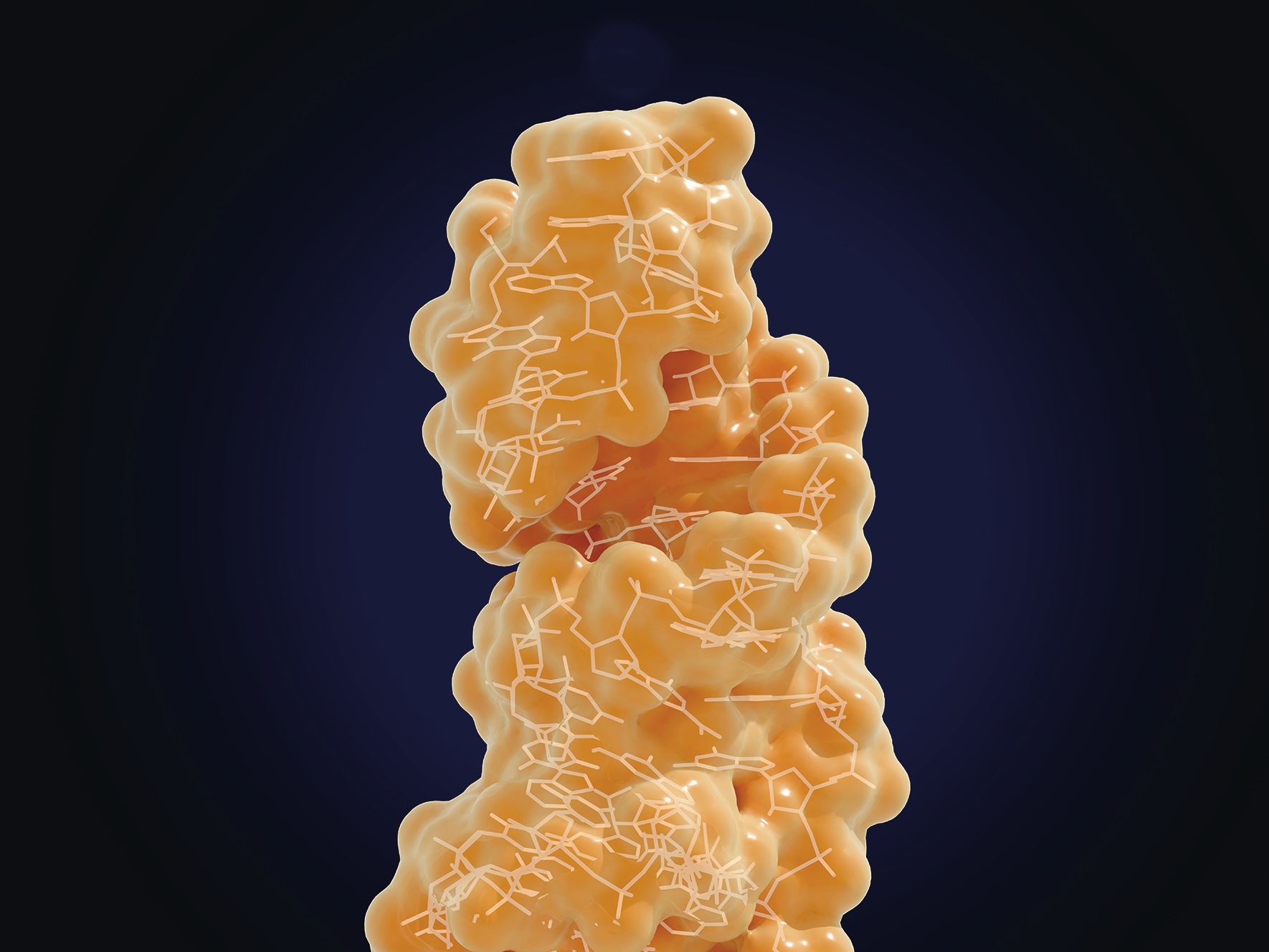 MicroRNAs (miRNAs) may represent a critical regulatory layer in psoriasis, linking immune activation, keratinocyte dysfunction, and genetic susceptibility, according to a comprehensive review examining emerging molecular insights in the disease. The findings highlight the potential of miRNAs as biomarkers and future therapeutic targets in precision dermatology.
Psoriasis is driven by sustained inflammation and abnormal keratinocyte proliferation. The review outlines how dysregulated miRNAs function as post-transcriptional regulators coordinating immune and epidermal pathways. Proinflammatory miRNAs, including miR-21, miR-31, miR-155, and miR-210, promote Th17 signaling and inflammatory cascades. In contrast, miR-125b, miR-146a, and miR-99a act as anti-inflammatory modulators that help maintain immune balance.
Beyond local skin effects, circulating and extracellular vesicle-associated miRNAs are proposed as noninvasive biomarkers. These molecular signatures may reflect disease severity and therapeutic response, offering potential for longitudinal monitoring. The review also describes how miRNA networks interact with long non-coding RNAs and circular RNAs within competing endogenous RNA systems. This dynamic crosstalk integrates keratinocyte and immune cell pathways, reinforcing psoriasis as a systems-level inflammatory disorder.
Therapeutic modulation of miRNAs is under investigation. Strategies such as antagomirs, miRNA mimics, and nanocarrier-based delivery are being explored to restore molecular balance in psoriatic lesions. Integration of miRNA profiling with multi-omics data and machine learning is also highlighted as a pathway toward precision diagnostics and patient stratification. These approaches may eventually support individualized treatment selection.
Reference
Singh H, Jha H, Taliyan R. Regulatory roles of microRNAs in epigenetic and immune gene networks in psoriasis. Gene. 2026;990:150081. doi:10.1016/j.gene.2026.150081
Psychometric Study Highlights Gender Differences and Psychological Burden in Psoriasis
 Psoriasis has a measurable psychological impact that extends beyond skin involvement, according to a psychometric study evaluating depression, personality traits, and behavioral factors in patients with the disease.
The study enrolled 71 patients with psoriasis and assessed disease severity using the Psoriasis Area and Severity Index. Psychological and behavioral outcomes were evaluated using multiple validated instruments, including the Beck Depression Inventory, the Brief Symptom Inventory (SCL-90), the Eysenck Personality Questionnaire, and the Psychometric Hostility and Direction of Hostility Questionnaire. Together, these tools were used to characterize depression symptoms, personality traits, emotional distress, and behavioral responses.
Depression symptoms were more prominent among female patients. Women with psoriasis had significantly higher scores on the Beck Depression Inventory compared with men (13.5 vs 7.9), as well as higher depression scores on the SCL-90 scale. These findings suggest a gender-specific vulnerability to mood disturbances in psoriasis, independent of disease severity.
Personality and social factors also emerged as relevant. Scores on the extroversion scale of the Eysenck Personality Questionnaire were significantly associated with patients’ psychiatric history and stable income, indicating that psychosocial context may influence how patients experience and cope with psoriasis. In addition, patients receiving systemic or topical treatment for psoriasis were more likely to respond positively to “lie” scale questions, a finding the authors interpreted as reflecting coping behaviors or social desirability bias in treated patients.
Reference
Kontoangelos K, Vavouli C, Daikidou I, et al. Psychometric evaluation of patients with psoriasis and their association with patients' psychological characteristics. Mediterr J Rheumatol. 2026;37(Suppl 1):92-99. doi:10.31138/mjr.030125.epr