Circulating CIRP Levels Elevated in Psoriasis, Suggesting Novel Inflammatory Pathway
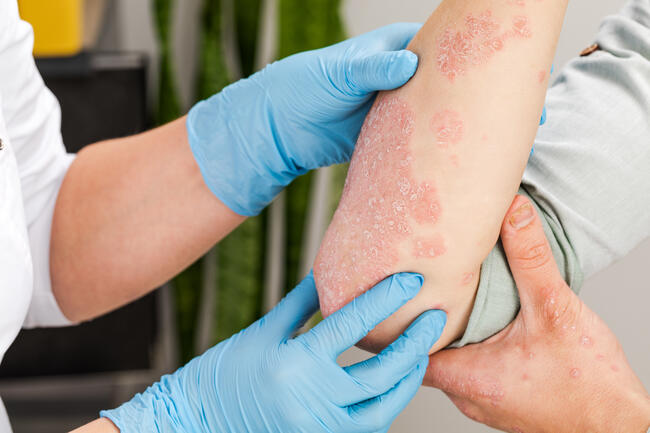
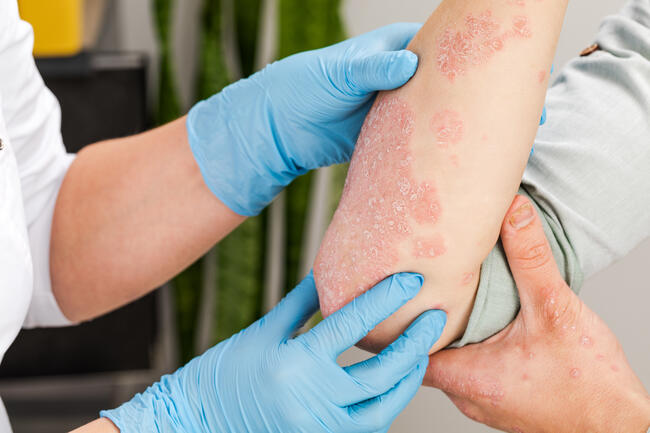
Cold-inducible RNA-binding protein (CIRP), a stress-response molecule with emerging immunologic relevance, may contribute to psoriasis pathogenesis, according to a case-control study evaluating circulating levels in affected patients. The findings suggest a potential role for CIRP as a biomarker or therapeutic target in this chronic inflammatory disease.
Investigators measured serum CIRP concentrations in 67 patients with psoriasis and 20 healthy controls and examined associations with clinical and histologic features. CIRP, recognized as a damage-associated molecular pattern, has been shown to activate immune signaling pathways under stress conditions.
Patients with psoriasis had significantly higher circulating CIRP levels compared with healthy individuals, supporting its involvement in systemic inflammatory activity. The authors reported that “patients with psoriasis exhibited significantly elevated serum CIRP levels compared to healthy individuals,” reinforcing the concept of psoriasis as a systemic immune-mediated condition.
Despite this elevation, CIRP levels were neither associated with disease severity as measured by Psoriasis Area and Severity Index, nor with joint involvement or nail disease. While some correlations were observed with selected clinical and histologic parameters, these relationships did not translate into a consistent severity-dependent pattern.
The authors concluded that “CIRP may be involved in the immunopathogenesis of psoriasis and could be considered a prospective target for therapeutic modulation.” These findings position CIRP as a potential upstream regulator of inflammatory pathways rather than a marker of disease extent.
Further studies are needed to determine whether targeting CIRP or related pathways could influence disease activity or treatment response. As research evolves, integrating stress-response biology into psoriasis models may expand opportunities for future therapeutic development.
Reference
Shin JM, Kim JE, Hong D, et al. Increased serum cold-inducible RNA-binding protein levels in psoriasis. Ann Dermatol. 2026;38(2):123-128. doi:10.5021/ad.25.075