Untangling the Risks: Rethinking Hair Product Regulation in the United States
Hair care practices can be deeply personal and culturally significant, particularly within the Black community where styling methods, such as braiding, weaving, and relaxing, are often woven into daily routines. Yet, the safety of many commonly used products remains unclear. Higher concentrations of allergens and endocrine-disrupting chemicals have been identified in products disproportionately marketed to Black women, raising both dermatologic and systemic concerns.1 Despite these findings, adverse reactions often go unreported, and meaningful regulatory oversight remains limited. This commentary aims to highlight the health risks associated with certain hair products, expose gaps in regulation and surveillance, and urge clinicians to more routinely consider hair practices during dermatologic assessments. By increasing awareness and advocating for inclusive safety data, we can address a long-standing oversight in consumer protection and health equity.
The US Food and Drug Administration (FDA) classifies hair care products as cosmetics under the Federal Food, Drug, and Cosmetic Act. As such, the FDA does not require premarket approval for cosmetic products, except in the case of color additives. This lenient oversight in the United States stands in stark contrast to the European Union’s more stringent standards, which mandate comprehensive safety assessments and have led to the ban of over 1300 cosmetic ingredients.
The comparatively loose regulatory framework governing hair care products in the United States creates significant gaps in consumer safety. Without premarket approval, these products can reach consumers without any prior safety testing. Under this model, the public effectively becomes the test user. Of particular concern is the fragrance loophole. FDA guidelines allow manufacturers to list fragrance as a single ingredient, masking the presence of multiple undisclosed chemicals. While this protects proprietary formulas, it prevents consumers, especially those with sensitivities, from identifying potential allergens.
Furthermore, cosmetic manufacturers are not legally required to report adverse reactions. Although voluntary reporting systems exist, the absence of a mandate has led to widespread underreporting. For example, a 2023 review of the FDA’s Adverse Event Reporting System found no entries related to wigs, relaxers, synthetic hair, or bonding agents, with most reports instead linked to pharmaceuticals, highlighting a critical gap in post-market surveillance.2

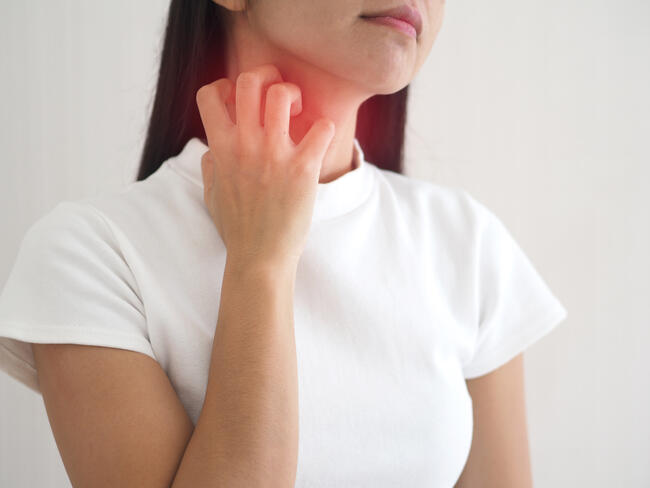
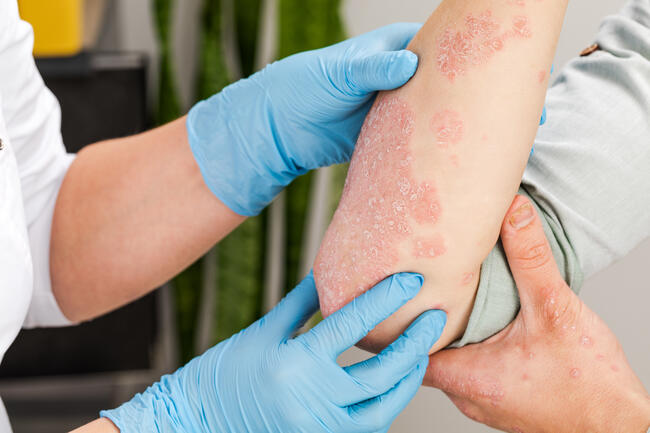
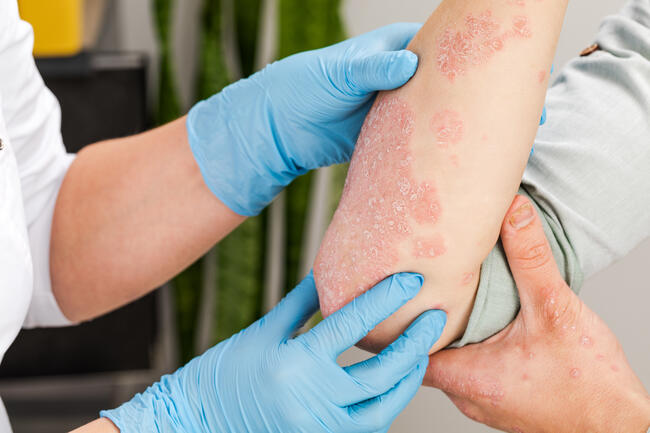
Hair products commonly used by Black women have been associated with a range of dermatologic concerns, including irritant and allergic contact dermatitis, scalp inflammation, and traction alopecia.3 For instance, synthetic hair used in braids and extensions has been linked to scalp irritation, especially in individuals with atopic dermatitis.4 Many patients report itching, burning, or redness around the scalp and nape but often normalize these symptoms or avoid clinical care.4,5
Beyond dermatologic effects, systemic exposures are an emerging concern. Leave-in products, relaxers, and styling creams frequently contain endocrine-disrupting agents, such as parabens and phthalates, which are tied to hormone disruption, reproductive complications, and cancer risk, according to the Environmental Working Group and Harvard T.H. Chan School of Public Health. These risks are amplified by the frequency of use and early exposure starting in adolescence.6,7
The global human hair market, valued in billions of dollars, also remains underregulated. Hair bundles marketed as 100% human hair are often chemically treated or blended with synthetic or animal fibers. These modifications may introduce allergens or irritants, contributing to contact dermatitis, allergic reactions, or even scalp infections. Most of these products are imported, with 88.5% of human hair products sourced from China in 2023, and are subject to minimal oversight, raising additional concerns about safety and labeling accuracy.8,9 Given the widespread use of weaves, wigs, and extensions in Black communities, the lack of standardization poses a unique and disproportionate risk.
Dermatologists can help close this gap by routinely asking about hair care practices, especially in patients presenting with hair or scalp concerns, by inquiring about styling methods, products used, and symptom onset. Reporting suspected reactions, whether in the medical record or through surveillance systems, can build a more accurate safety database and prompt much-needed regulatory attention.
In the absence of meaningful regulation, an informed consumer base is paramount. Consumers can review ingredient labels, visit brand websites, and contact manufacturers directly to request transparency about product composition and chemical processing, particularly for synthetic or imported hair products. While retailers may not always have this information, consistent consumer pressure can drive brands toward greater accountability. Supporting companies that disclose full ingredient lists and avoiding those that do not can help shift industry standards. Policymakers and researchers should respond to this demand by prioritizing studies that examine culturally specific exposures and their long-term health effects.
Hair is more than a cosmetic concern; it is a site of cultural identity and potential clinical relevance. Acknowledging this in dermatologic practice is essential to advancing both patient care and public health.
Mallory A. Von Lotten is a third-year medical student at the University of Alabama at Birmingham in Birmingham, AL. Dr McMichael is a board-certified dermatologist and professor of dermatology at Wake Forest University School of Medicine in Winston-Salem, NC. Nathan Kattapuram is a third-year medical student at Georgetown University in Washington, DC.
Disclosure: Dr McMichael has received research, speaking, and/or consulting support from a variety of companies, including Aclaris Therapuetics, Inc.; Allergan; Apogee; Bristol Meyers Squibb; Cassiopea; Concert Pharmaceuticals; Covance; Eli Lilly and Company; eResearch Technology, Inc.; Galderma; Incyte; Informa Healthcare; Janssen Pharmaceuticals; Johnson & Johnson; Kenvue; Leo Pharma; L’Oreal; Merck & Co.; Pelage; Pfizer; Proctor & Gamble; Revian; Sanofi Regeneron; Sun Pharma; UCB; and UpToDate.
References
- Tawfik M, Rodriguez-Homs LG, Alexander T, Patterson S, Okoye G, Atwater AR. Allergen content of best-selling ethnic versus nonethnic shampoos, conditioners, and styling products. Dermatitis. 2021;32(2):101-110. doi:10.1097/DER.0000000000000668
- FDA adverse event reporting system (FAERS) public dashboard. US Food and Drug Administration. Accessed June 16, 2025. https://www.fda.gov/drugs/questions-and-answers-fdas-adverse-event-reporting-system-faers/fda-adverse-event-reporting-system-faers-public-dashboard
- Callender VD, McMichael AJ, Cohen GF. Medical and surgical therapies for alopecias in black women. Dermatol Ther. 2004;17(2):164-176. doi:10.1111/j.1396-0296.2004.04017.x
- Dlova NC, Ferguson NN, Rorex JN, Todd G. Synthetic hair extensions causing irritant contact dermatitis in patients with a history of atopy: a report of 10 cases. Contact Dermatitis. 2021;85(2):141-145. doi:10.1111/cod.13825
- Haskin A, Aguh C. All hairstyles are not created equal: what the dermatologist needs to know about black hairstyling practices and the risk of traction alopecia (TA). J Am Acad Dermatol. 2016;75(3):606-611. doi:10.1016/j.jaad.2016.02.1162
- Beins K, Friedman A, Lin H, Edwards K. Higher hazards persist in personal care products marketed to Black women, report reveals. Environmental Working Group. February 11, 2025. Accessed June 16, 2025. https://www.ewg.org/research/ higher-hazards-persist-personal-care-products-marketed-black-women-report-reveals#:~:text=Similar%20to%202016%2C%20fewer%20than,to%204.9%20 percent%20in%202025
- Feldscher K. Uncovering the dangers of hair products marketed to Black women, girls. Harvard T.H. Chan School of Public Health. June 15, 2025. Accessed June 18, 2025. https://hsph.harvard.edu/news/uncovering-the-dangers-of-hair-products-marketed-to-black-women-girls
- Seen at 11: Hair extensions labeled “100 percent human” contain synthetic & animal hair. CBS News. September 10, 2016. Accessed June 16, 2025. https://www.cbsnews.com/newyork/news/hair-deception
- Wigs, false beards, eyebrows, etc., of human hair. OECD World. Accessed June 16, 2025. https://oec.world/en/profile/hs/wigs-false-beards-eyebrows-etc-of-human-hair