Multidisciplinary approaches to stroke prevention, cardiac and carotid imaging, advanced ablation strategies, risk reduction and long-term follow up at Western AFib 2026
Atrial fibrillation is rising at an alarming pace, and its clinical impact continues to deepen. Atrial fibrillation continues to expand in scale and complexity, with the Centers for Disease Control and Prevention estimating that 12.1 million people in the United States will have AFib by 2030.
For clinicians navigating rapid advances in diagnostics, imaging, digital monitoring, and ablation technology, staying current is essential to delivering optimal patient outcomes.
I began researching AFib in 1993 and learned quickly that this disease cannot be understood from a single perspective. The best outcomes require multidisciplinary thinking and communication across the entire care team. That principle is at the core of Western AFib. As AFib grows more prevalent and more complex, clinicians need a place where collaboration drives discovery and where the most current evidence informs daily decision making.
What makes Western AFib different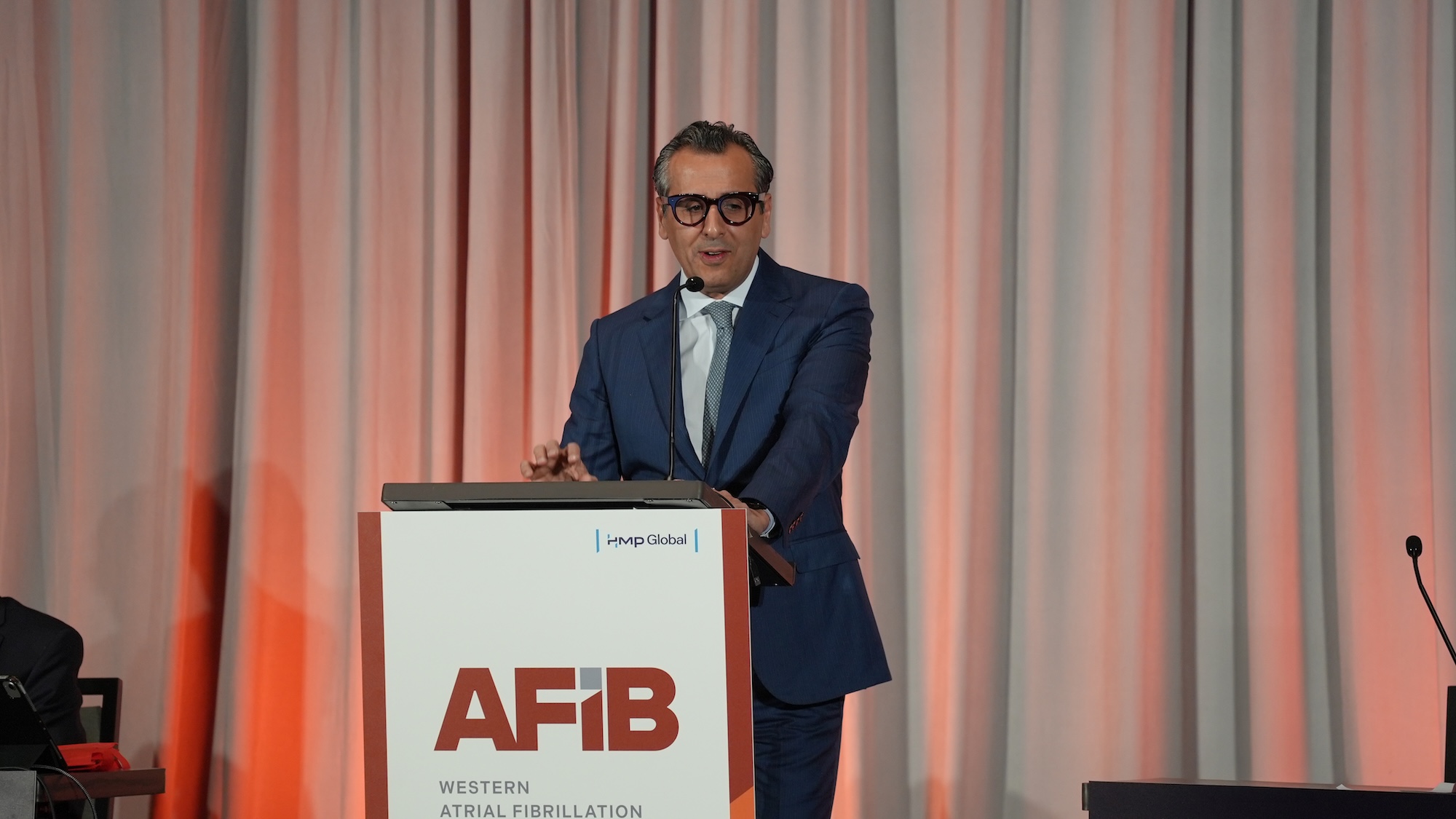
For 19 years, the Western Atrial Fibrillation Symposium has brought science, clinical insight, and hands-on learning together in a uniquely interactive environment. From February 26 to 28, 2026, in Salt Lake City, participants will engage in three days of education designed to help electrophysiologists, cardiologists, surgeons, APPs, nurses, and techs translate emerging research into practice.
Western AFib was founded as a meeting where multidisciplinary collaboration could thrive. What began with 70 attendees has grown into a tight-knit group of several hundred experts who return each year because the discussions meaningfully influence their clinical approach. Our format includes live cases, case-based discussions, lightning rounds, state of the science lectures, and in-depth panel conversations. Fellows Track sessions offer early career clinicians direct access to leaders who can answer questions and share practical wisdom rooted in real world experience.
Another key difference is that Western AFib does not build its program a year in advance. The agenda is updated within weeks of the meeting to ensure every session reflects the newest research, tools, and technologies. Attendees know they are learning the latest science, not last year’s data.
Key takeaways for 2026
Participants will gain practical insights related to:
- Evolving mechanisms, diagnostics, and imaging
- Advances in cardiac and carotid imaging for earlier detection and stroke prevention
- Updates on ablation tools and energy sources including pulsed field ablation
- Strategies for long term risk reduction and structured follow up
- Lessons from live cases and multidisciplinary discussions
My sessions at Western AFib 2026
- Atrial Myopathy in 2025: Central Diagnosis or Forgotten Concept?
February 27 | 10:50 AM to 11:00 AM
This session explores how atrial myopathy shapes the development and progression of AFib and why it may be the missing link in patient risk assessment. I will discuss how imaging, biomarkers, and mapping can help us better identify and manage these patients. - Discussion
February 27 | 11:40 AM to 11:55 AM
I will join fellow faculty to expand on earlier presentations and address participant questions. This conversation will connect scientific concepts to practical decisions made daily in clinical care.
Why this work matters now
As AFib continues to rise and new diagnostic and therapeutic tools emerge at a rapid pace, no single specialist can address this disease alone. Western AFib remains committed to uniting care teams around advanced imaging, ablation innovation, stroke prevention strategies, and long term follow up. Collaboration remains essential for improving outcomes in today’s evolving AFib landscape.
Event details
- Western Atrial Fibrillation Symposium
- February 26 to 28, 2026
- Salt Lake City, Utah
- Website
- Registration
Nassir Marrouche, MD, is Director of the Western Atrial Fibrillation Symposium and Director of the Tulane Heart and Vascular Institute and The Research Innovation for Arrhythmia Discoveries at Tulane University School of Medicine.
Related Content