-
Clinical problem and population: Coronary microvascular dysfunction (CMD) is a key cause of angina with non-obstructive coronary arteries (ANOCA), where standard angiography can appear “normal” because it primarily evaluates epicardial vessels and can miss microvascular disease or vasospasm.
-
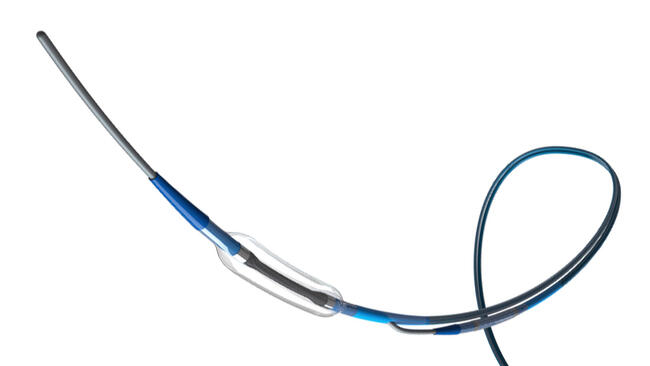
Diagnostic approach in the cath lab: Use coronary functional testing to identify the mechanism of symptoms, including acetylcholine provocation for endothelial-dependent spasm and pressure-wire assessment of coronary flow reserve plus index of microvascular resistance (IMR) to quantify microvascular dysfunction.
-
Management implications and impact: Endotyping matters because therapy differs (for example, beta blockers often favored for isolated CMD, calcium channel blockers first-line for epicardial vasospasm, and beta blockers may be harmful in pure vasospasm). Establishing a definitive diagnosis validates symptoms, reduces repeat testing, and supports targeted, longitudinal care.
Reviewed by Rebecca Kapur, Managing Editor, Cath Lab Digest.