Hair Loss Supplements: Evidence-Based Nutraceuticals and Integrative Hair Restoration
Clinical Summary
Hair Loss Nutraceuticals: Evidence-Based Evaluation and Clinical Integration
-
Hair loss supplements: Prioritize products with randomized clinical trials, published data, Good Manufacturing Practice standards, USP verification, and ingredients determined to be safe. Clinical evidence and manufacturing quality should guide supplement selection rather than marketing claims.
-
Hair loss evaluation: Before recommending supplements, assess hair loss subtype and potential contributing factors with baseline laboratory testing, including vitamin D, ferritin, CBC, TSH, prolactin, free and total testosterone, DHEAS, and progesterone; a broader nutrient or hormone panel may also be considered.
-
Comprehensive management: Supplements represent one component of a multifactorial treatment strategy. Management may also address stress and incorporate PRP, lasers, topical therapies, and prescription-strength treatments, with therapy individualized based on patient-specific factors and treatment goals.
Reviewed by Jessica Garlewicz, Managing Digital Editor of Immunology Group
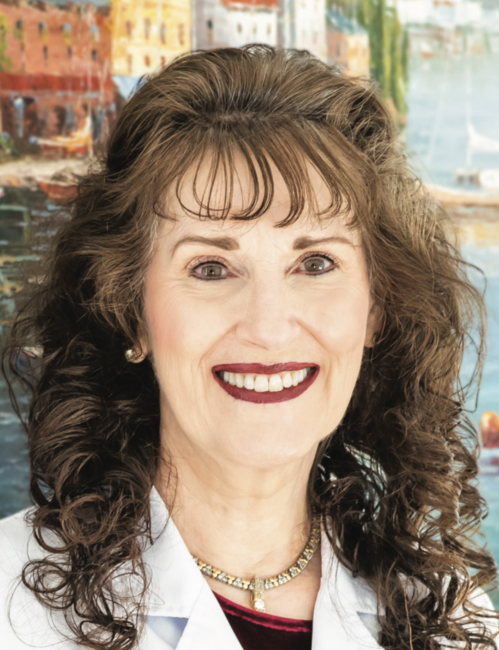
Dr Glynis Ablon discusses how dermatologists can evaluate hair loss supplements using clinical evidence, safety standards, and manufacturing quality rather than marketing claims alone. Learn which nutritional deficiencies and systemic factors to assess in patients with alopecia and how nutraceuticals can complement therapies like minoxidil, antiandrogens, PRP, and laser treatments in a comprehensive hair restoration plan.
Transcript
Hi, I'm Dr Glynis Ablon. I'm a board-certified dermatologist. I run Ablon Skin Institute and Research Center in Manhattan Beach, California, and I'm an Associate Clinical Professor at UCLA.
With the growing popularity of nutraceuticals, how should clinicians critically evaluate which hair loss supplements have meaningful clinical evidence versus marketing-driven claims?
Dr Ablon: There are so many supplements out there on the market. So it's important for me when I'm deciding to use a product to make sure that the supplement has been clinically tested. I like randomized clinical trials the results as well as publications. So I can see that the company is really interested in "does their product work?" So that's the first thing. I also know now that the FDA is getting a little bit more strict when it comes to supplements. So you really want to look at products that have good manufacturing practice. that are through the USP, or United States Pharmacopeia. And you also want to make sure that these are products that are safe, that the FDA has determined that are safe, that the ingredients are safe, and that they really work. It's really important because, again, there's so many products out there you want to know. And a great way to know, beside the data, is to try it yourself.
What key nutritional deficiencies or systemic factors should dermatologists assess before recommending supplements for patients with hair loss?
Dr Ablon: In general, I think when you are dealing with a patient and hair loss, it's important first to diagnose what kind of hair loss they have. And in many situations, we know that hair loss is multifactorial. So I do like to get baseline laboratory workups on these patients. The simple things are a vitamin D level, ferritin, CBC. I also like getting a TSH. But you need to also consider the hormone aspect of it. And sometimes you can get a full hormone panel. A nutrient panel is a good idea. But if not, I certainly like to get baseline prolactin, free and total testosterone, a DHEAS as well, and progesterone. Those are the mainstays. But again, a full panel is not a bad idea. You're going to see where the patient is in their hair loss journey.
How do you integrate supplements into a comprehensive treatment plan alongside established therapies like minoxidil, antiandrogens, or procedural options?
Dr Ablon: So when it comes to hair loss, it's very important to again understand that it is a multifactorial etiology. So, I really do try to attack each of the factors that play a part in hair loss. One of them is stress. And so people like to talk about that and not really take it seriously. So again, I'm attacking everything I possibly can. Supplements are just one part of that armamentarium. And it's an easy part because it's something that patients can just pop it home and they're good to go. But on top of that, I'll discuss supplements, but I'll discuss everything from PRP to lasers to topical regimens to prescription-strength regimens. So I really do try to go through the gamut of things. I want to be honest with my patients. I want them to have all of the options available and really know that the ethics behind it where, here's the armamentarium, let's see what works for you and what we can get great results with.