A Conversation With Zach Hopkins, MD
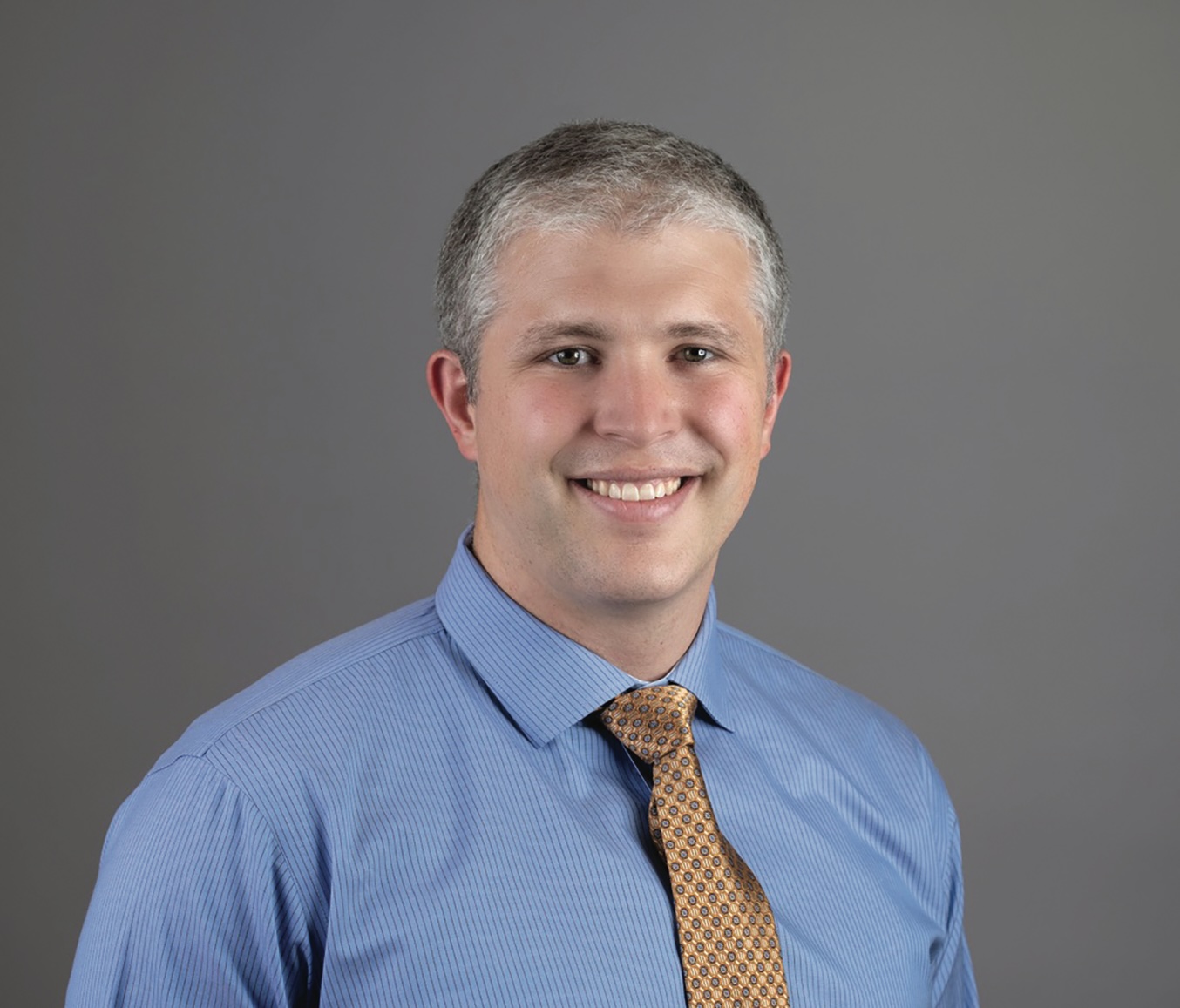
Q. What part of your work gives you the most pleasure?
A. One of the things that most drew me to academics, and especially my institution, is the collegial network of colleagues. We have a long tradition of cultivating and maintaining a strong sense of teamwork and open collaboration, from clinic setups that promote our ability to have colleagues come in and provide a second opinion on the spot to frequent grand rounds where cases are discussed. I love the feeling of being able to draw from a collective pool of amazing and brilliant colleagues. Likewise, I cherish the growing network of colleagues within and outside my institution who I can interact with in my research space. It is so satisfying to see and be part of collective efforts to improve patient care and provide innovative solutions and developments.
Q. Which patient has had the most effect on your work?
A. I recently saw a patient who I had not seen since my first weeks of practice. At the time, they were experiencing a challenging condition that we struggled to label, much less treat. Eventually, I helped connect them with other nondermatology specialists who we felt better aligned with what might be the root cause of the issue, and they were effectively “lost to follow up” with me. Now they returned for a separate issue and during the visit, they took a moment to express heartfelt thanks for my efforts to sit with them, listen, try to figure things out, and work together as a team. It was an emotional, cherished moment that served as a poignant reminder of the unique privilege we have as physicians to struggle together with our patients during some of their most challenging times, the power that can come from this human connection, and the impact it has, even when our medical expertise or available tools fail to offer an immediate solution.
Q. What is the best piece of advice you have received?
A. I was recently given wonderful advice from a senior mentor. When discussing research relationships, she advised that I should be aware of other investigators who may be perceived as “competitors” and rather than focus on competing, work to instead join/collaborate with them. She pointed out the tremendous power that comes from working together, collaboration, and shared efforts. Not only does this improve research, but I think it is a key to healthy living in a research career. A focus on the team and real patient-centered outcomes strengthens and deepens connections, productivity, and impact.
Q. What is the greatest challenge in dermatology?
A. I believe that in dermatology, we are rapidly approaching a critical juncture between the increasing availability of advanced therapeutics and the limited resources to effectively deliver them. Given their efficacy and often better safety than older treatments, it is difficult not to consider these as first-line options. However, this brings up challenging questions of stewardship. It will require deeper data on cost-effectiveness and economic impact and increasing consideration of medication cost, cost coverage, and equitable delivery.