Scar Revision Strategies: When to Intervene and the Role of Laser Therapy
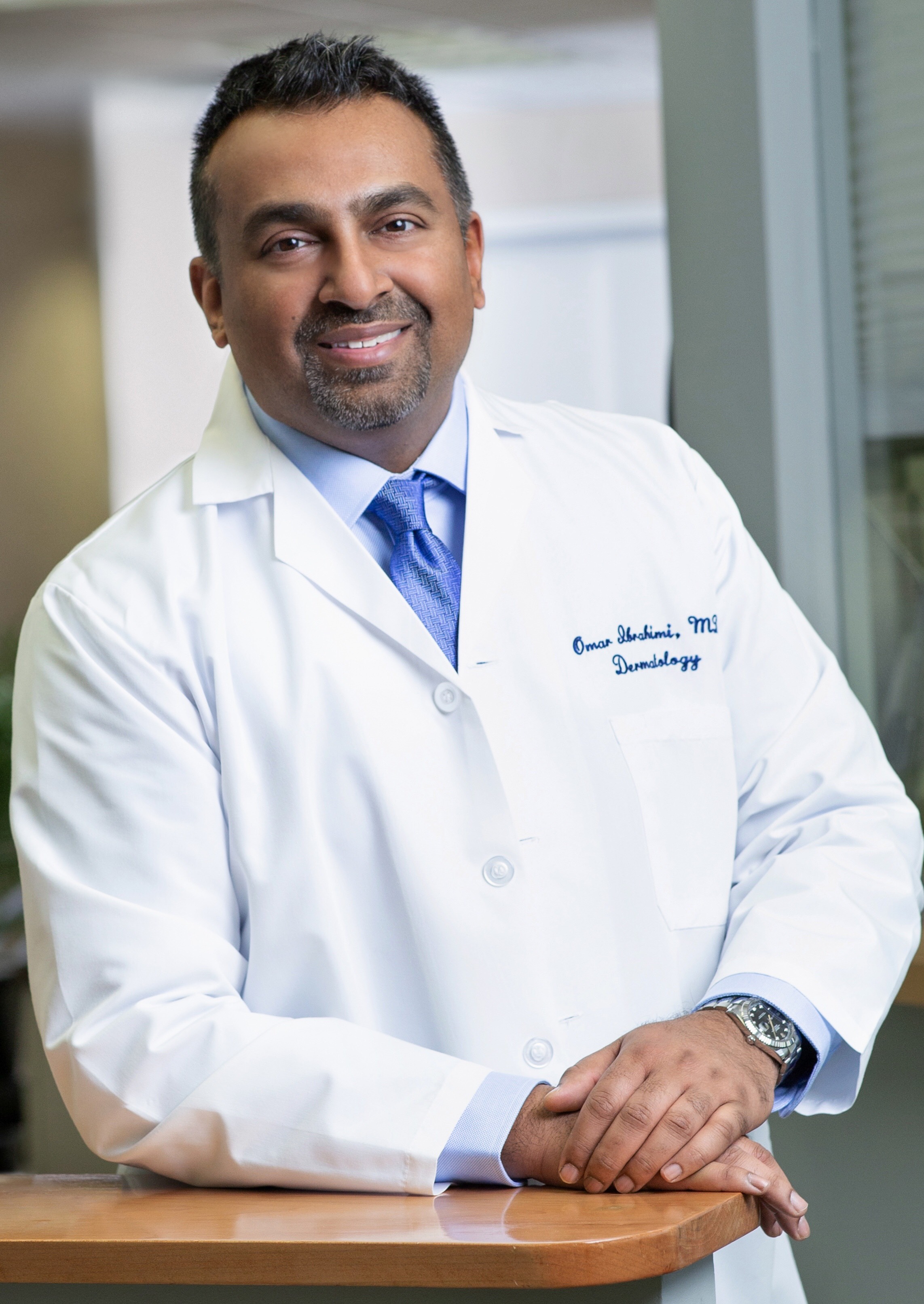
Medical Director, Connecticut Skin Institute
In this expert Q&A, Dr Ibrahimi explores when scar revision is warranted, from functional impairment to patient-driven concerns. Learn how energy-based devices like lasers have become essential tools in modern scar management, how to integrate them with surgical techniques, and key clinical pearls—such as minimizing tension—to optimize both cosmetic and functional outcomes.
When approaching scar revision, how do you decide when intervention is warranted?
Dr Ibrahimi: As a fellowship-trained Mohs surgeon and laser expert, I must accept some humility and realize that scarring is our body's natural reaction to a skin injury. Deciding when to intervene is a multifaceted consideration. I have 2 primary guiding principles:
- Functional compromise: If a scar is causing contracture, limiting range of motion, or distorting an orifice (like the mouth or eye), intervention is usually definitely needed.
- Patient distress: A scar that causes significant social anxiety for the patient is a valid candidate for revision, even if it is well-healed in my personal opinion.
Functional compromise usually may entail more aggressive surgical revisions, but in the case of the latter, there are a whole host of minimally invasive options ranging from topical creams to injectables, as well as lasers that can reduce the appearance of scarring quite significantly.
Where do energy-based devices fit into scar revision today—adjunct, alternative, or essential?
Dr Ibrahimi: As the incoming president of the American Society for Lasers in Medicine and Surgery, I am going to advocate that lasers are absolutely essential to the Mohs surgeon’s armamentarium for managing scars. Lasers can help reduce redness, blend scars, and make them less noticeable to the patient with such low risks that I would actually argue that being a good laser surgeon actually makes me a better Mohs surgeon because I am able to ensure that my patient gets satisfactory cosmetic outcomes with their skin cancer treatment.
How do you practically integrate lasers or other devices with surgical revision for optimal outcomes?
Dr Ibrahimi: I have the conversation proactively. At the time of Mohs consultation, I let my patients know that we have many tools available to help reduce scars. For the patients who express interest in optimizing their cosmetic outcome, we discuss the many different tools available, and treatment can start at the time of suture removal or shortly after.
What is 1 clinical pearl that can immediately improve both cosmetic and functional results in scar revision?
Dr Ibrahimi: Pay attention to tension during reconstruction. Over my career, I have come to realize that too much tension on a scar often puts it at risk for poor healing from a functional and aesthetic perspective.