Visceral Adiposity Linked to Psoriasis Risk, With Inflammation as Partial Mediator
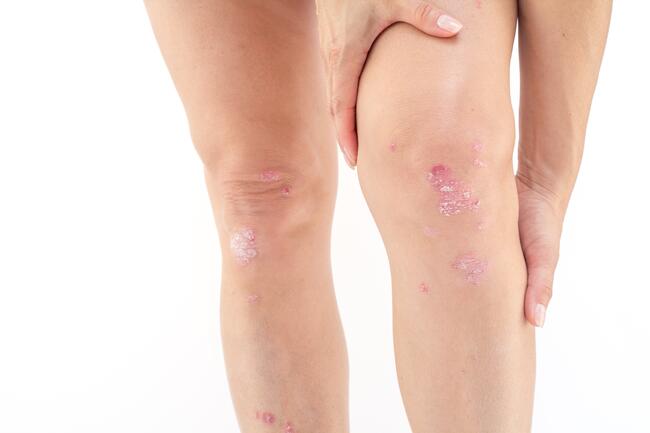
Higher body roundness index (BRI), a measure of visceral adiposity, is associated with increased psoriasis (PsO) prevalence, and systemic immune activation may partially mediate this relationship, according to an analysis of US National Health and Nutrition Examination Survey (NHANES) data. The findings add mechanistic insight into the well-recognized link between obesity and PsO.
The cross-sectional study included 14,669 adults from NHANES cycles spanning 2003 to 2014. PsO was identified by questionnaire, and obesity was assessed using BRI. Multivariable logistic regression and restricted cubic spline analyses were used to evaluate the association between BRI and PsO, while mediation analyses examined the role of the systemic immune-inflammation index (SII).
Among participants, 445 had PsO. After adjustment for confounders, BRI was positively associated with PsO. Spline modeling demonstrated a nonlinear relationship, with an inflection point at a BRI of 5.103. On the left side of this threshold, higher BRI was significantly associated with PsO (odds ratio, 1.25), whereas no significant association was observed beyond the inflection point.
Mediation analysis showed that SII accounted for 9.48% of the association between BRI and PsO (P < 0.001), suggesting that systemic inflammatory burden partially explains the link between visceral adiposity and disease.
The authors concluded that “BRI is positively associated with PsO, with SII playing a mediating role.” They noted that these findings “highlight the importance of visceral fat management and SII monitoring in addressing PsO and its metabolic comorbidities.”
Reference
Zhang N, Li J, Song P. Association of BRI with psoriasis and mediator effect of SII: a study based on NHANES (2003–2006, 2009–2014). Mediators Inflamm. 2026;2026:7953174. doi:10.1155/mi/7953174