Upadacitinib Shows Consistent Efficacy Across Alopecia Areata Subgroups, Including Pediatric and JAK-Refractory Patients
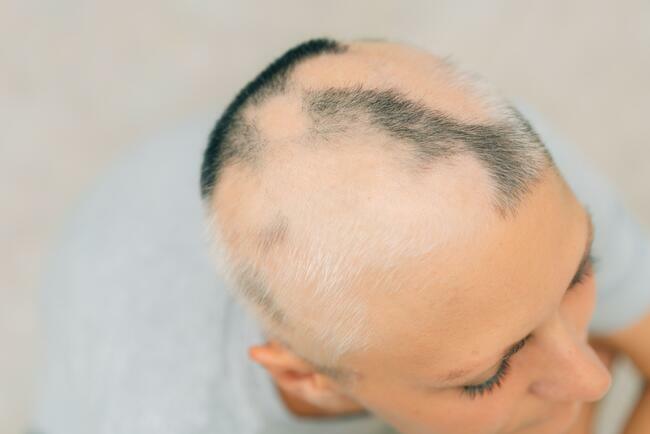
A comprehensive meta-analysis suggests that upadacitinib delivers consistent and substantial hair regrowth in alopecia areata (AA) across diverse patient subgroups, including pediatric patients, those with severe disease, and individuals previously refractory to JAK inhibitors.
Following PRISMA guidelines, investigators analyzed 33 studies including 136 patients (mean age 27.8 years; 55% female). The primary endpoint was change in Severity of Alopecia Tool (SALT) score, with a mean baseline SALT of 77.1. A random-effects model was used to account for heterogeneity.
Upadacitinib demonstrated marked efficacy. The mean SALT reduction was −68.5 (95% CI, −79.2 to −57.8; P<0.0001) over a mean treatment duration of 24 weeks, indicating substantial hair regrowth. Notably, subgroup analyses showed no significant differences in response between adults and pediatric patients (−68.9 vs −71.4; P =0.852), higher vs lower dosing regimens (−71.1 vs −68.0; P =0.82), or JAK-naïve vs JAK-refractory patients (−68.4 vs −64.6; P=0.79).
Patients with severe AA (baseline SALT >50) experienced even greater improvements, with a mean reduction of −79.9 (P<0.001). Clinical response rates were high, with 94% achieving SALT50 and 89% achieving SALT ≤20.
Safety findings were favorable. Adverse events occurred in approximately one-third of patients, were generally mild, and did not lead to treatment discontinuation.
“Upadacitinib demonstrates statistically significant and consistent efficacy in AA with a favorable safety profile,” the authors concluded.
These findings reinforce the potential of upadacitinib as a versatile systemic option for AA, with consistent benefits across patient populations and disease severities.
Reference
Barnawi G, Lazarowitz R, Nukaly HY, et al. Consistent efficacy of upadacitinib in alopecia areata subgroups: adult, pediatric, severe disease, and JAK-refractory patients—a meta-analysis. Presented at: American Academy of Dermatology Annual Meeting; March 27–31, 2026; Denver, Colorado.