Skin Barrier Lipid Dysregulation in Early Infant Eczema: A Window Into Atopy
Atopic dermatitis (AD), or eczema, is a chronic inflammatory skin disorder affecting 15% to 20% of children and 1% to 3% of adults worldwide.1 Onset typically occurs between ages 3 and 6 months, with some children experiencing complete resolution, whereas others experience chronic, persistent symptoms into adulthood.2,3 The pathogenesis of AD is multifactorial, involving genetic predisposition, immune dysregulation, and epidermal barrier dysfunction.4 While immune dysregulation is well-recognized, growing attention has focused on skin barrier disruption.5 In AD, the damaged epidermal barrier promotes transepidermal water loss (TEWL), reduced immune defense, and susceptibility to allergens, leading to immune sensitization and inflammation.4,6 Lipids are critical to the epidermal barrier, and their dysregulation advances AD progression.
Maintaining the epidermal barrier through hydration and minimizing exposure to environmental allergens are essential for managing AD. Czarnowicki et al. found that moisturizers and emollients enhance barrier integrity and reduce inflammatory mediators in individuals with AD.7 Simpson et al. reported that early prophylactic application of emollients reduced the relative risk of AD development by 50% in high-risk neonates.8 Similarly, Horimukai et al. observed a significant decrease in AD incidence among high-risk Japanese newborns who received daily moisturizer application.9 Emollients were initially thought to primarily reduce TEWL. However, recent findings suggest they also modify the skin microbiome and pH, further decreasing AD risk.10 Understanding the importance of protecting the skin barrier can help guide behaviors to prevent AD and its progression.
This article reviews the literature on skin barrier lipid dysregulation in infants with eczema, addressing gaps in understanding its role in early barrier dysfunction and atopy development. As AD prevalence rises, further research into its pathophysiology, triggers, and management is critical. Research on predictive lipid-based biomarkers, effective early interventions, and the impact of environmental factors on lipid composition remains limited and sometimes conflicting.
Skin Barrier Lipid Structure and Function
The epidermis is critical in maintaining skin homeostasis, acting as a barrier against harmful stimuli. Lipids, primarily ceramides, free fatty acids (FFAs), and cholesterol in an equimolar ratio in the stratum corneum, are fundamental to epidermal structure and function. They regulate permeability, sustain skin hydration, and act as antimicrobial agents.11 Lamellar bodies are secreted by keratinocytes in the stratum granulosum and deliver lipid precursors that are enzymatically converted into functional forms upon release.12 These lipids then organize into a lamellar bilayer that surrounds corneocytes.13 This lipid bilayer establishes the skin’s hydrophobic barrier.
Ceramides are sphingolipid molecules that compose approximately 50% of lipid weight in the skin. They repel water to prevent excessive water loss, contributing to the stability of the lipid bilayer.14 Ceramides promote autophagy and mitophagy, maintaining healthy mitochondria that regulate skin pH.15,16 FFAs make up 15% of lipid weight and contribute to the acidity of the stratum corneum (acid mantle). The acid mantle activates lipid-processing enzymes, regulates desquamation, and inhibits pathogen growth.17 Together, ceramides and FFAs work to preserve hydration, support cellular homeostasis, and act as a protective cutaneous barrier.
Cholesterol, constituting 25% of epidermal lipid weight, maintains membrane fluidity and lipid bilayer organization.14 It also engages in a cycle of sulfurylation-desulfurylation that regulates serine protease activity and normal desquamation.18 Activated serine proteases in the stratum corneum then break down corneodesmosome proteins that adhere corneocytes together, allowing for proper desquamation.19 By regulating epidermal differentiation, the epidermal cholesterol cycle plays a crucial role in wound healing and maintaining a buffer between the body and external insults.
The structure of an infant’s epidermis differs from that of an adult or older child. The infant stratum corneum is approximately 25% thinner and has a distinct microbial flora composition, making it more susceptible to environmental damage and infection.20 Neonatal skin tends to be drier with greater TEWL; however, as infants grow, their skin becomes more hydrated than adult skin.20 Lastly, infant skin generally has lower lipid content and a higher pH, contributing to increased permeability, weaker barrier function, and higher serine protease-mediated desquamation early in life.20,21
Epidermal Barrier Dysfunction
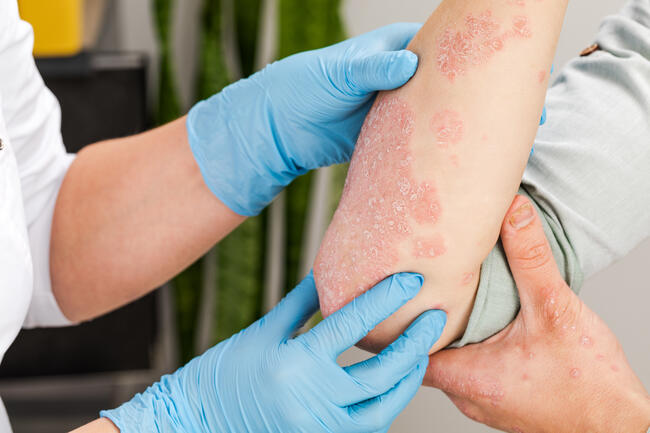
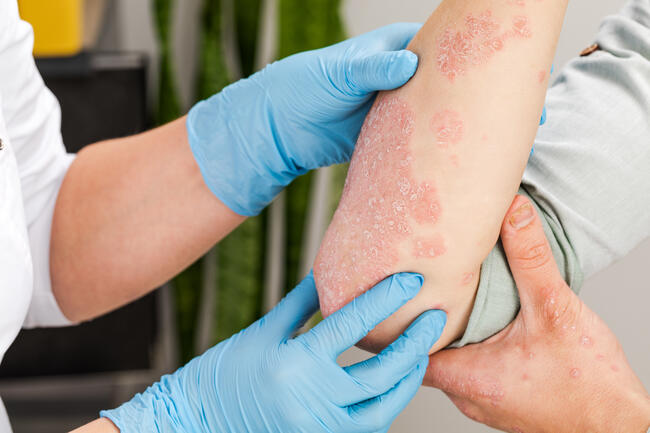
The pathogenesis of early-onset eczema is intricately linked to epidermal barrier dysfunction, a hallmark of which is the dysregulation of skin lipids. Adults with eczema tend to exhibit decreased long-chain ceramides and increased shorter-chain ceramides in both lesional and nonlesional skin.22,23 The same pattern is observed with FFAs and fatty acids found in ceramides.24,25 These alterations cause proportionate increases in TEWL as ceramide chain length decreases. TEWL compromises skin hydration and modulates enzymes in the stratum corneum to prevent necessary desquamation.26 Lack of epidermal turnover contributes to the dry, itchy, scaly skin characteristic of eczema.
Research is still emerging on lipid alterations in neonates with eczema and risk factors for developing early-onset disease. A recent case-control study demonstrated altered lipid ratios in 3-month-old infants who later developed early-onset eczema, similar to those observed in adults with the condition. These infants had a higher ratio of short- to long-chain sphingoid bases, a key component of ceramides. Additionally, children who developed early-onset eczema also had less than half the amount of phytosphingosine, a sphingoid base, in their skin compared to those who did not.24,25 However, the underlying cause of this deficiency and the exact mechanism by which it contributes to barrier dysfunction remains unclear.
Various studies have demonstrated that adults with eczema exhibit altered skin lipid profiles, including elevated cholesterol levels and a reduction in the ceramide/cholesterol ratio.27,28 This may have implications for the cholesterol cycle in the skin, which plays a role in regulating desquamation. Findings on FFA levels in eczema-affected skin remain inconsistent. Some studies report an increase, whereas others suggest a decrease compared to individuals without the condition.27,29 These discrepancies may reflect differences in disease severity, methodology, or skin region analyzed. Moreover, individuals with eczema have reduced cutaneous triglycerides, a key component of sebaceous gland secretions, although their role in barrier homeostasis is poorly understood.27 While studies in adults have demonstrated significant alterations in lipid levels and ratios, data on infants remain limited.
There is strong evidence of a genetic component to eczema susceptibility. Children with a parental history of eczema have a 3-fold risk of developing childhood-onset eczema.30 Additionally, monozygotic twin concordance is high at approximately 80%.31 The filaggrin (FLG) gene is the strongest genetic factor implicated in eczema. FLG is a structural protein in the stratum corneum that interacts with intermediate filaments like keratin to fortify the cornified envelope.32 FLG null alleles significantly increase susceptibility to infant-onset eczema, with an estimated half of all eczema cases involving an FLG null mutation.31 Understanding these genetic contributions can inform targeted prevention strategies and therapies for eczema.
Environmental factors can further exacerbate barrier dysfunction in genetically susceptible infants by enhancing the skin’s permeability to allergens, microbial pathogens, and other irritants. Over the past half-century, the prevalence of eczema has risen sharply, particularly in developed countries, coinciding with urbanization and lifestyle changes.33 Environmental risk factors may be to blame. Numerous pollutants, urban living, fast food consumption, hard water, and extreme temperatures are linked to the development of eczema and disease severity.33,34 An interplay between these exposures and genetic predisposition likely weakens the skin barrier and triggers immune dysregulation.
Immune Activation and Inflammation
The immunopathogenesis of AD is primarily characterized by a skewed T-helper type (Th) 2 immune response. In acute lesions, interleukins (ILs) 4, 13, and 31 upregulation drives the immunoglobulin E (IgE) production and promotes eosinophilic inflammation.29,35 IL-4 and IL-13 impair keratinocyte differentiation and downregulate key structural proteins, such as FLG, loricrin, and involucrin, leading to an impaired skin barrier and TEWL.36 IL-31 directly stimulates itch-associated sensory neurons, initiating the itch-scratch cycle.37 The persistent activation of this pathway not only amplifies inflammation but also predisposes patients to systemic allergic diseases.
In chronic AD lesions, the immune profile shifts toward a mixed Th1/Th2/Th17/Th22 response. IL-22 induces keratinocyte hyperproliferation, resulting in lichenification and epidermal thickening.38 IL-17 exacerbates inflammation by recruiting neutrophils.39 The chronic inflammation in AD exposes deeper layers of the skin to external allergens and irritants, driving systemic sensitization.
Skin Barrier Dysfunction as a Gateway for Allergen Sensitization
Epidermal barrier dysfunction plays a pivotal role in allergen sensitization and systemic inflammation, establishing the foundation for the “atopic march” (allergic rhinitis, asthma, and food allergies). The defective stratum corneum in AD allows for environmental allergen penetration directly into the dermis, where they are captured and processed by antigen-presenting cells.40 Type 2 innate lymphoid cells are subsequently activated and prime the immune system to favor Th2 polarization, promoting IgE-mediated sensitization.41 This results in a cycle of chronic inflammation and broader immune dysregulation. IgE-mediated immune activation establishes long-term immune memory against common allergens, reinforcing the predisposition toward allergic diseases. Moreover, basophils and mast cells primed by IgE further amplify inflammatory signaling, creating a heightened systemic allergic response that extends beyond the skin. This process establishes a systemic predisposition to atopy, increasing the likelihood of the atopic march later in life.
Epidemiologic Evidence Linking Eczema to Atopy
Epidemiologic studies have demonstrated a strong association between early-onset AD and an increased risk of asthma and allergic diseases. Prospective cohort studies have shown that 70% of patients with severe AD develop asthma compared to only 20% to 30% of patients with mild AD and around 8% of the general population.42 AD severity and chronicity appear to correlate with systemic immune dysregulation, with prolonged inflammation leading to IgE production and susceptibility to airway hyperreactivity. This overlap between AD and asthma provides insight into why AD is often the initial step in the atopic march.
Similarly, the HealthNuts cohort observed that infants with eczema were significantly more likely to develop peanut and egg allergies by age 1 year, highlighting the impact of cutaneous sensitization on systemic atopy development.43 Food allergens can penetrate the defective skin barrier, activating allergen-specific T cells that increase food allergy risk, supporting the use of early oral allergen introduction in children with severe AD.
Established Treatments
First-line treatments for early-onset eczema include moisturizers and bathing techniques that enhance water retention in the dermis and epidermis, reducing cutaneous dehydration.44 Moisturizer should be applied immediately after bathing for optimal effect.45 Over-the-counter moisturizers contain ingredients ranging from emollients to humectants and have been shown to decrease inflammation, pruritus, and xerosis.46 These treatments are low-cost, yet they do not cure AD.
Moisturizers alone are often insufficient to control severe flares. Topical corticosteroids are first-line pharmacologic therapy for AD exacerbations, as they decrease the inflammatory immune response.47 Their long-term use is limited due to skin atrophy, discoloration, acneiform eruptions, and suppression of the hypothalamic-pituitary axis with stronger doses.48 Topical calcineurin inhibitors are steroid-sparing immunomodulators that act as a second-line option. However, they are not approved for use in children under age 2 years and may cause adverse local reactions.49 Oral antibiotics and antihistamines are also used in AD treatment regimens.48 More recently, novel systemic treatments have been developed to improve patient outcomes.
Biologic Therapies
Biologic therapies, particularly monoclonal antibodies (mAbs), have revolutionized the treatment of moderate-to-severe AD. Dupilumab, US Food and Drug Administration (FDA) approved for patients age 6 months and older who are candidates for systemic therapy, reduces cutaneous inflammation by blocking IL-4 and IL-13.50 Phase 3 trials have demonstrated significant improvement in primary outcomes, including reductions in pruritus and depression, as well as improved quality of life.51 Dupilumab is well-tolerated, with common side effects being conjunctivitis and injection site reactions.51,52 However, its use— and that of other biologics—is often restricted due to high costs and step therapy requirements.
The field of biologic therapies for AD continues to grow, with several other mAbs recently approved for patients age 12 years and older, including tralokinumab, lebrikizumab, and nemolizumab.53 Research exploring other mAb treatments, such as tezepelumab, omalizumab, and ligelizumab, is underway.51 Although promising, these are still pending FDA approval and require long-term follow-up data.54 Biologics represent a shift in the treatment of AD, offering new hope for patients with disease refractory to historic approaches.
Benefits of Early Intervention
Early intervention is key in shaping the long-term course of AD, underscoring the importance of prompt, aggressive treatment in early infancy. The International Eczema Council has highlighted the impact of early treatment on disease progression as a major research gap.55,56 In a randomized controlled clinical trial, investigators found that daily emollient use was associated with a significant reduction in the cumulative incidence of AD at age 12 months, with a 50% and 29% risk reduction at age 6 and 12 months, respectively.57 This reinforces the idea that early initiation of therapy can influence AD progression. In contrast, data from the Barrier Enhancement for Eczema Prevention trial did not support early emollient use for preventing the development of AD.58 These discrepancies highlight ongoing debates within the field, particularly regarding intervention timing and emollient ingredients. While preventing systemic atopy remains an area of interest, further research is needed to clarify best practices for early intervention.
Recent advances in lipidomics offer promising diagnostic and therapeutic applications in early-onset eczema. Lipidomic profiling enables detection of specific alterations in ceramides, cholesterol, and FFAs, allowing for patient-tailored treatments.59 By addressing underlying lipid imbalances, personalized interventions can optimize the efficacy of lipid-replenishing therapies. Furthermore, lipidomics-driven diagnostics may identify infants at higher risk for severe disease phenotypes, enabling proactive management before significant epidermal dysfunction occurs.60 Lipidomics has the potential to shift pediatric AD care toward a more targeted and preventive framework.
Recommendations for Future Research
Future research should expand lipid-restoring therapies to include a broader range of targets beyond ceramides, cholesterol, and FFAs.61 Identifying novel lipid biomarkers and therapeutic targets could optimize treatment efficacy and increase management options.62 Additionally, mAb therapies with lipidomics present a promising avenue for precision medicine. Longitudinal studies are also needed to evaluate the sustained benefits of early lipid-targeted interventions. Understanding how these therapies influence long-term health outcomes is critical to refine treatment algorithms.63 Finally, implementing lipidomics and genomics could advance personalized care by identifying high-risk infants and guiding preventive strategies.
Conclusion
AD is a multifactorial, chronic inflammatory skin condition that impacts quality of life and increases the risk of atopy-related comorbidities. Early identification and intervention to restore skin integrity, including ceramide-enriched emollients, lipid-targeted therapies, and dietary modifications, can mitigate disease progression and inflammation. Advances in lipidomics provide new avenues for personalized care by identifying lipid imbalances and guiding tailored treatments. Future research should refine lipid-targeted interventions, develop reliable biomarkers, and expand access to advanced therapies, including biologics and Janus kinase inhibitors. Emphasizing early diagnosis and targeted prevention in infants with eczema may be the most effective strategy to interrupt the atopic march and reduce the long-term burden of AD. A comprehensive, multidisciplinary approach integrating early diagnosis, innovative treatments, and preventive care holds the key to transforming AD management.
References
1. Nutten S. Atopic dermatitis: global epidemiology and risk factors. Ann Nutr Metab. 2015;66(Suppl 1):8-16. doi:10.1159/000370220
2. Eichenfield LF, Tom WL, Berger TG, et al. Guidelines of care for the management of atopic dermatitis: section 2. Management and treatment of atopic dermatitis with topical therapies. J Am Acad Dermatol. 2014;71(1):116-132. doi:10.1016/j. jaad.2014.03.023
3. Choi UE, Deng J, Parthasarathy V, et al. Risk factors and temporal associations of progression of the atopic march in children with early-onset atopic dermatitis. J Am Acad Dermatol. 2025;92(4):732-740. doi:10.1016/j.jaad.2024.10.107
4. Langan SM, Irvine AD, Weidinger S. Atopic dermatitis [published correction appears in Lancet. 2020;396(10253):758. doi:10.1016/S0140-6736(20)31825-0]. Lancet. 2020;396(10247):345-360. doi:10.1016/S0140-6736(20)31286-1
5. Tsakok T, Woolf R, Smith CH, Weidinger S, Flohr C. Atopic dermatitis: the skin barrier and beyond. Br J Dermatol. 2019;180(3):464-474. doi:10.1111/bjd.16934
6. Luger T, Amagai M, Dreno B, et al. Atopic dermatitis: role of the skin barrier, environment, microbiome, and therapeutic agents. J Dermatol Sci. 2021;102(3):142- 157. doi:10.1016/j.jdermsci.2021.04.007
7. Czarnowicki T, Malajian D, Khattri S, et al. Petrolatum: barrier repair and antimicrobial responses underlying this “inert” moisturizer. J Allergy Clin Immunol. 2016;137(4):1091-1102.e7. doi:10.1016/j.jaci.2015.08.013
8. Simpson EL, Chalmers JR, Hanifin JM, et al. Emollient enhancement of the skin barrier from birth offers effective atopic dermatitis prevention. J Allergy Clin Immunol. 2014;134(4):818-823. doi:10.1016/j.jaci.2014.08.005
9. Horimukai K, Morita K, Narita M, et al. Application of moisturizer to neonates prevents development of atopic dermatitis. J Allergy Clin Immunol. 2014;134(4):824-830.e6. doi:10.1016/j.jaci.2014.07.060
10. Glatz M, Jo JH, Kennedy EA, et al. Emollient use alters skin barrier and microbes in infants at risk for developing atopic dermatitis. PLoS One. 2018;13(2):e0192443. doi:10.1371/journal.pone.0192443
11. de Szalay S, Wertz PW. Protective barriers provided by the epidermis. Int J Mol Sci. 2023;24(4):3145. doi:10.3390/ijms24043145
12. Tarutani M, Nakajima K, Uchida Y, et al. GPHR-dependent functions of the Golgi apparatus are essential for the formation of lamellar granules and the skin barrier. J Invest Dermatol. 2012;132(8):2019-2025. doi:10.1038/jid.2012.100
13. Bouwstra JA, Nădăban A, Bras W, McCabe C, Bunge A, Gooris GS. The skin barrier: an extraordinary interface with an exceptional lipid organization. Prog Lipid Res. 2023;92:101252. doi:10.1016/j.plipres.2023.101252
14. Feingold KR. Thematic review series: skin lipids. The role of epidermal lipids in cutaneous permeability barrier homeostasis. J Lipid Res. 2007;48(12):2531-2546. doi:10.1194/jlr.R700013-JLR200
15. Dany M, Ogretmen B. Ceramide induced mitophagy and tumor suppression. Biochim Biophys Acta. 2015;1853(10 Pt B):2834-2845. doi:10.1016/j.bbamcr.2014.12.039
16. Baker P, Huang C, Radi R, Moll SB, Jules E, Arbiser JL. Skin Barrier function: the interplay of physical, chemical, and immunologic properties. Cells. 2023;12(23):2745. doi:10.3390/cells12232745
17. Brooks SG, Mahmoud RH, Lin RR, Fluhr JW, Yosipovitch G. The skin acid mantle: an update on skin pH. J Invest Dermatol. 2025;145(3):509-521. doi:10.1016/j. jid.2024.07.009
18. Fandrei F, Engberg O, Opálka L, et al. Cholesterol sulfate fluidizes the sterol fraction of the stratum corneum lipid phase and increases its permeability. J Lipid Res. 2022;63(3):100177. doi:10.1016/j.jlr.2022.100177
19. Sato J, Denda M, Nakanishi J, Nomura J, Koyama J. Cholesterol sulfate inhibits proteases that are involved in desquamation of stratum corneum. J Invest Dermatol. 1998;111(2):189-193. doi:10.1046/j.1523-1747.1998.00244.x
20. Oranges T, Dini V, Romanelli M. Skin physiology of the neonate and infant: clinical implications. Adv Wound Care (New Rochelle). 2015;4(10):587-595. doi:10.1089/ wound.2015.0642
21. Hoeger PH, Enzmann CC. Skin physiology of the neonate and young infant: a prospective study of functional skin parameters during early infancy. Pediatr Dermatol. 2002;19(3):256-262. doi:10.1046/j.1525-1470.2002.00082.x
22. Ishikawa J, Narita H, Kondo N, et al. Changes in the ceramide profile of atopic dermatitis patients. J Invest Dermatol. 2010;130(10):2511-2514. doi:10.1038/jid.2010.161
23. Janssens M, van Smeden J, Gooris GS, et al. Increase in short-chain ceramides correlates with an altered lipid organization and decreased barrier function in atopic eczema patients. J Lipid Res. 2012;53(12):2755-2766. doi:10.1194/jlr.P030338
24. Joo KM, Hwang JH, Bae S, et al. Relationship of ceramide-, and free fatty acid-cholesterol ratios in the stratum corneum with skin barrier function of normal, atopic dermatitis lesional and non-lesional skins. J Dermatol Sci. 2015;77(1):71-74. doi:10.1016/j.jdermsci.2014.10.001
25. Rinnov MR, Halling AS, Gerner T, et al. Skin biomarkers predict development of atopic dermatitis in infancy. Allergy. 2023;78(3):791-802. doi:10.1111/all.15518
26. Watkinson A, Harding C, Moore A, Coan P. Water modulation of stratum corneum chymotryptic enzyme activity and desquamation. Arch Dermatol Res. 2001;293(9):470-476. doi:10.1007/s004030100257
27. Angelova-Fischer I, Mannheimer AC, Hinder A, et al. Distinct barrier integrity phenotypes in filaggrin-related atopic eczema following sequential tape stripping and lipid profiling. Exp Dermatol. 2011;20(4):351-356. doi:10.1111/j.1600- 0625.2011.01259.x
28. Di Nardo A, Wertz P, Giannetti A, Seidenari S. Ceramide and cholesterol composition of the skin of patients with atopic dermatitis. Acta Derm Venereol. 1998;78(1):27-30. doi:10.1080/00015559850135788
29. van Smeden J, Janssens M, Kaye EC, et al. The importance of free fatty acid chain length for the skin barrier function in atopic eczema patients. Exp Dermatol. 2014;23(1):45-52. doi:10.1111/exd.12293
30. Matsuoka S, Nakagawa R, Nakayama H, Yamashita K, Kuroda Y. Prevalence of specific allergic diseases in school children as related to parental atopy. Pediatr Int. 1999;41(1):46-51. doi:10.1046/j.1442-200x.1999.01011.x
31. Biagini Myers JM, Khurana Hershey GK. Eczema in early life: genetics, the skin barrier, and lessons learned from birth cohort studies. J Pediatr. 2010;157(5):704- 714. doi:10.1016/j.jpeds.2010.07.009
32. Sandilands A, Sutherland C, Irvine AD, McLean WH. Filaggrin in the frontline: role in skin barrier function and disease. J Cell Sci. 2009;122(Pt 9):1285-1294. doi:10.1242/jcs.033969
33. Kantor R, Silverberg JI. Environmental risk factors and their role in the management of atopic dermatitis. Expert Rev Clin Immunol. 2017;13(1):15-26. doi:10.1080/ 1744666X.2016.1212660
34. Narla S, Silverberg JI. The role of environmental exposures in atopic dermatitis. Curr Allergy Asthma Rep. 2020;20(12):74. doi:10.1007/s11882-020-00971-z
35. Makowska K, Nowaczyk J, Blicharz L, et al. Immunopathogenesis of atopic dermatitis: focus on interleukins as disease drivers and therapeutic targets for novel treatments. Int J Mol Sci. 2023;24(1):781. doi:10.3390/ijms24010781
36. Furue M. Regulation of filaggrin, loricrin, and involucrin by IL-4, IL-13, IL-17A, IL-22, AHR, and NRF2: pathogenic implications in atopic dermatitis. Int J Mol Sci. 2020;21(15):5382. doi:10.3390/ijms21155382
37. Mack MR, Kim BS. The itch-scratch cycle: a neuroimmune perspective. Trends Immunol. 2018;39(12):980-991. doi:10.1016/j.it.2018.10.001
38. Tsoi LC, Rodriguez E, Stölzl D, et al. Progression of acute-to-chronic atopic dermatitis is associated with quantitative rather than qualitative changes in cytokine responses. J Allergy Clin Immunol. 2020;145(5):1406-1415. doi:10.1016/j. jaci.2019.11.047
39. Sun L, Wang L, Moore BB, et al. IL-17: Balancing protective immunity and pathogenesis. J Immunol Res. 2023;2023:3360310. doi:10.1155/2023/3360310
40. Yoshida T, Beck LA, De Benedetto A. Skin barrier defects in atopic dermatitis: from old idea to new opportunity. Allergol Int. 2022;71(1):3-13. doi:10.1016/j. alit.2021.11.006
41. Perner C, Flayer CH, Zhu X, et al. Substance P release by sensory neurons triggers dendritic cell migration and initiates the type-2 immune response to allergens. Immunity. 2020;53(5):1063-1077.e7. doi:10.1016/j.immuni.2020.10.001
42. Bantz SK, Zhu Z, Zheng T. The atopic march: progression from atopic dermatitis to allergic rhinitis and asthma. J Clin Cell Immunol. 2014;5(2):202. doi:10.4172/2155- 9899.1000202
43. Koplin JJ, Wake M, Dharmage SC, et al. Cohort profile: the HealthNuts study: population prevalence and environmental/genetic predictors of food allergy. Int J Epidemiol. 2015;44(4):1161-1171. doi:10.1093/ije/dyu261
44. Gür Çetinkaya P, Şahiner ÜM. Childhood atopic dermatitis: current developments, treatment approaches, and future expectations. Turk J Med Sci. 2019;49(4):963-984. doi:10.3906/sag-1810-105
45. Draelos ZD. An evaluation of prescription device moisturizers. J Cosmet Dermatol. 2009;8(1):40-43. doi:10.1111/j.1473-2165.2009.00422.x
46. Oranje AP. Proactive therapy and emollient therapy in atopic dermatitis. Curr Treat Options Allergy. 2014;1(4):365-373. doi:10.1007/s40521-014-0036-7
47. Sidbury R, Tom WL, Bergman JN, et al. Guidelines of care for the management of atopic dermatitis: section 4. Prevention of disease flares and use of adjunctive therapies and approaches. J Am Acad Dermatol. 2014;71(6):1218-1233. doi:10.1016/j. jaad.2014.08.038
48. Frazier W, Bhardwaj N. Atopic dermatitis: diagnosis and treatment. Am Fam Physician. 2020;101(10):590-598.
49. Thaçi D, Reitamo S, Gonzalez Ensenat MA, et al. Proactive disease management with 0.03% tacrolimus ointment for children with atopic dermatitis: results of a randomized, multicentre, comparative study. Br J Dermatol. 2008;159(6):1348- 1356. doi:10.1111/j.1365-2133.2008.08813.x
50. Paller AS, Kabashima K, Bieber T. Therapeutic pipeline for atopic dermatitis: end of the drought? J Allergy Clin Immunol. 2017;140(3):633-643. doi:10.1016/j. jaci.2017.07.006
51. Ratchataswan T, Banzon TM, Thyssen JP, Weidinger S, Guttman-Yassky E, Phipatanakul W. Biologics for treatment of atopic dermatitis: current status and future prospect. J Allergy Clin Immunol Pract. 2021;9(3):1053-1065. doi:10.1016/j. jaip.2020.11.034
52. Thaçi D, Simpson EL, Deleuran M, et al. Efficacy and safety of dupilumab monotherapy in adults with moderate-to-severe atopic dermatitis: a pooled analysis of two phase 3 randomized trials (LIBERTY AD SOLO 1 and LIBERTY AD SOLO 2). J Dermatol Sci. 2019;94(2):266-275. doi:10.1016/j.jdermsci.2019.02.002
53. Mirali S, Drucker AM. New topical and systemic treatments for atopic dermatitis. Clin Exp Allergy. 2025;55(11):1057-1069. doi:10.1111/cea.70136
54. Chun PIF, Lehman H. Current and future monoclonal antibodies in the treatment of atopic dermatitis. Clin Rev Allergy Immunol. 2020;59(2):208-219. doi:10.1007/s12016-020-08802-9
55. Abuabara K, Nicholls SG, Langan SM, et al. Priority research questions in atopic dermatitis: an International Eczema Council eDelphi consensus. Br J Dermatol. 2021;185(1):203-205. doi:10.1111/bjd.19874
56. Jacobson ME, Seshadri RS, Morimoto R, et al. Early intervention and disease modification in atopic dermatitis-the current state of the field and barriers to progress. J Eur Acad Dermatol Venereol. 2024;38(4):665-672. doi:10.1111/jdv.19699
57. Ní Chaoimh C, Lad D, Nico C, et al. Early initiation of short-term emollient use for the prevention of atopic dermatitis in high-risk infants—the STOP-AD randomised controlled trial. Allergy. 2023;78(4):984-994. doi:10.1111/all.15491
58. Chalmers JR, Haines RH, Bradshaw LE, et al. Daily emollient during infancy for prevention of eczema: the BEEP randomised controlled trial. Lancet. 2020;395(10228):962-972. doi:10.1016/S0140-6736(19)32984-8
59. Zandl-Lang M, Plecko B, Köfeler H. Lipidomics—paving the road towards better insight and precision medicine in rare metabolic diseases. Int J Mol Sci. 2023;24(2):1709. doi:10.3390/ijms24021709
60. Niseteo T, Hojsak I, Ožanić Bulić S, Pustišek N. Effect of omega-3 polyunsaturated fatty acid supplementation on clinical outcome of atopic dermatitis in children. Nutrients. 2024;16(17):2829. doi:10.3390/nu16172829
61. Leung DYM. Evolving atopic dermatitis toward precision medicine. Ann Allergy Asthma Immunol. 2024;132(2):107-108. doi:10.1016/j.anai.2023.11.022
62. Del Rosso JQ, Levin J. The clinical relevance of maintaining the functional integrity of the stratum corneum in both healthy and disease-affected skin. J Clin Aesthet Dermatol. 2011;4(9):22-42.
63. Nakajima S, Nakamizo S, Nomura T, Ishida Y, Sawada Y, Kabashima K. Integrating multi-omics approaches in deciphering atopic dermatitis pathogenesis and future therapeutic directions. Allergy. 2024;79(9):2366-2379. doi:10.1111/all.16183